
Silene Undulata: Dream Herb Guide
Silene Undulata: The African Dream Herb Explored
Have you ever wished you could remember your dreams more vividly or even influence them? For centuries, various cultures have turned to botanicals for this very purpose. One such plant, Silene undulata, often called the African dream herb or Undlela Ziimhlophe, holds a significant place in traditional Xhosa and Zulu practices. This article delves into the history, reported uses, and science behind this intriguing herb.
What is Silene Undulata?
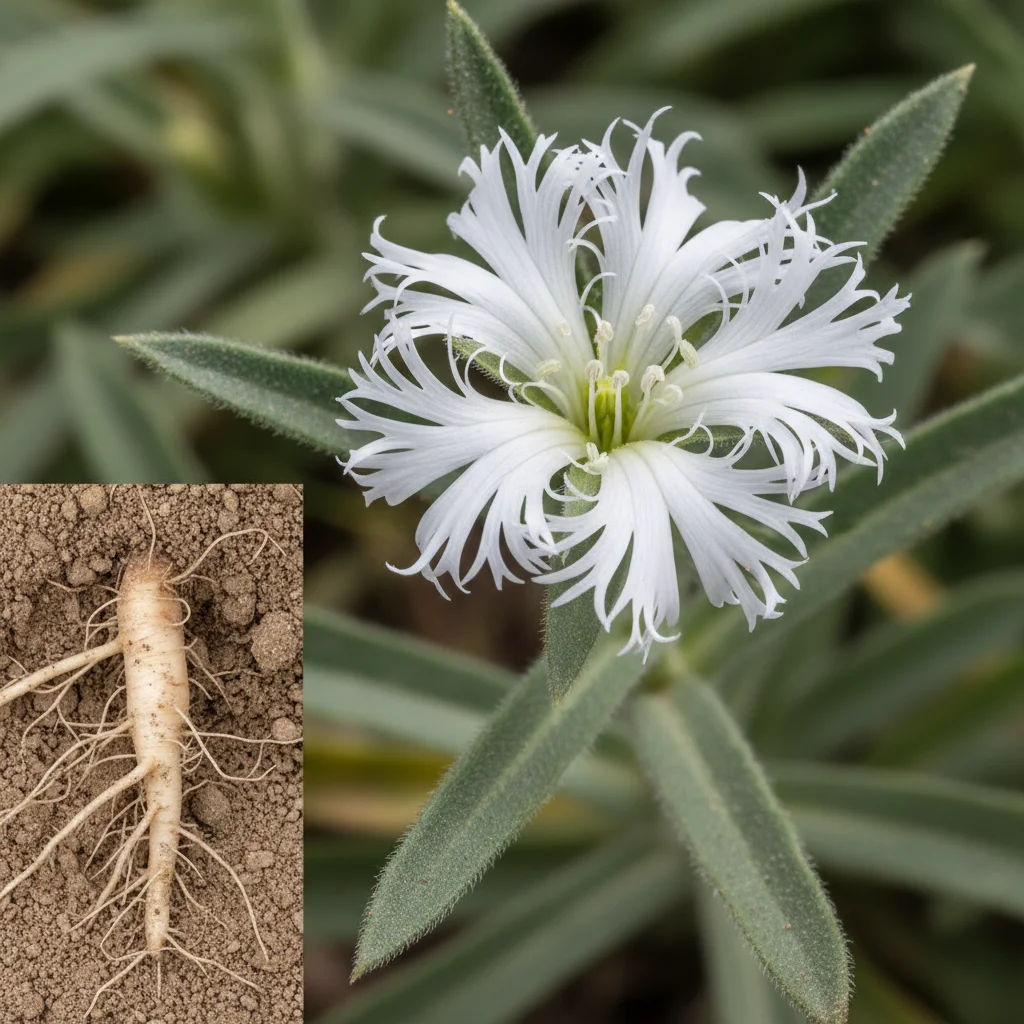
Silene undulata is a perennial flowering plant native to the Eastern Cape region of South Africa. It belongs to the Caryophyllaceae family, which also includes common carnations. Traditionally, the root of the plant is the primary part used. It is typically prepared as a decoction (a tea made by boiling the root) and consumed for its purported oneiric—or dream-related—effects. Consequently, it has garnered interest in modern ethnobotanical circles.
Traditional and Cultural Significance
In Xhosa culture, the herb is deeply intertwined with initiation and ancestral communication practices. It is traditionally administered by a sangoma (a traditional healer) to individuals undergoing training to become healers themselves. The belief is that the plant induces vivid, prophetic, or instructive dreams, facilitating communication with ancestors who provide guidance. This sacred context is crucial for understanding its role beyond a mere “dream enhancer.”
Reported Effects and Potential Uses
Users and traditional accounts report a range of effects associated with Silene undulata. It is vital to note that most evidence is anecdotal, as clinical scientific research on its psychoactive properties is extremely limited.
- Vivid and Lucid Dreaming: The most commonly reported effect is an increase in dream recall, intensity, and vividness. Some users describe an enhanced ability to achieve lucid dreaming (awareness that one is dreaming while in the dream state).
- Prophetic or Significant Dreams: In its traditional context, dreams induced by the herb are considered meaningful and potentially divinatory.
- Sedative Properties: The root decoction is also described as having a calming, sedative effect, which may contribute to deeper sleep and, therefore, more memorable dream cycles.
Safety, Side Effects, and Important Considerations
Before considering any herbal supplement, understanding safety is paramount. This is especially true for plants with psychoactive potential.
Reported Side Effects: Anecdotal reports sometimes mention grogginess, mild nausea, or headaches the following day. Its sedative effect means it should not be combined with alcohol, prescription sleep aids, or other central nervous system depressants.
Critical Safety Notes:
1. Lack of Scientific Research: There is a severe lack of modern clinical trials to establish safe dosages, long-term effects, or interactions with medications.
2. Proper Identification: Misidentification of plants can be dangerous. Silene undulata must be correctly distinguished from other Silene species.
3. Cultural Respect: The herb is part of a living spiritual tradition. Ethical sourcing and respect for its cultural origins are important considerations.
4. Consult a Professional: You should always consult with a healthcare provider before using any new herbal substance, particularly if you have pre-existing health conditions, are pregnant or nursing, or are taking other medications. For insights on managing other health aspects naturally, you might explore our guide on blood sugar levels.
Comparison with Other Herbal Supplements
To contextualize Silene undulata, here is a comparison with other herbs known for affecting sleep or mood:
| Herb | Primary Traditional Use | Common Preparation | Key Note |
|---|---|---|---|
| Silene Undulata | Dream enhancement, ancestral communication | Root decoction (tea) | Steeped in specific cultural ritual; limited modern study. |
| Chamomile | Relaxation, mild sleep aid | Flower tea | Widely studied, generally recognized as safe for mild anxiety and sleep. Learn more about its benefits in our article on chamomile tea. |
| Valerian Root | Insomnia, sleep quality | Capsule, tincture, tea | Substantial research supports use for sleep; can cause drowsiness. |
| Kava | Anxiety, relaxation | Beverage made from root | Associated with potential liver toxicity risks; banned in some countries. |
How is Silene Undulata Prepared and Used?
In traditional practice, the preparation is specific:
1. A piece of the root is cleaned and crushed.
2. It is then boiled in water for an extended period to create a concentrated decoction.
3. The tea is consumed, usually in a single dose, before sleep.
Dosage is highly variable and not standardized. Moreover, the experience can be subjective and influenced by set (mindset) and setting (environment). Therefore, the principle of “start low and go slow” is often advised in ethnobotanical communities, though the safest course is to avoid use without expert guidance.
The Bottom Line on the Dream Herb
Silene undulata is a fascinating plant with deep roots in South African spiritual tradition. While anecdotal reports of its dream-enhancing effects are compelling, they are not a substitute for scientific evidence. Its use carries inherent risks due to the lack of clinical research and potential for side effects.
If you are interested in exploring the world of botanicals for wellness, it is far safer to begin with well-researched herbs. For instance, if you’re seeking natural support for other areas of health, you can read about researched antioxidants for prostate health or the benefits of peppermint tea for digestion. Ultimately, prioritizing safety, respecting cultural traditions, and seeking professional medical advice should always be the first step.

