
Tangerines vs Clementines: A Citrus Showdown Explained
Tangerines vs Clementines: Your Guide to the Citrus Aisle
Navigating the citrus section can be surprisingly complex. You’re faced with a vibrant array of small, orange fruits, all promising sweet, juicy flavor. Among the most common—and most commonly confused—are tangerines and clementines. While they are close relatives, understanding their distinctions can help you make the perfect choice for your snack, recipe, or lunchbox. This guide will peel back the layers on the tangerine vs. clementine debate.
What Are Tangerines? The Aromatic Classic
Firstly, let’s define our contenders. The tangerine is a specific variety of mandarin orange (Citrus reticulata). Historically, they are named after the city of Tangier in Morocco. Tangerines are one of the oldest and most recognizable mandarin types.
Key Characteristics of Tangerines:
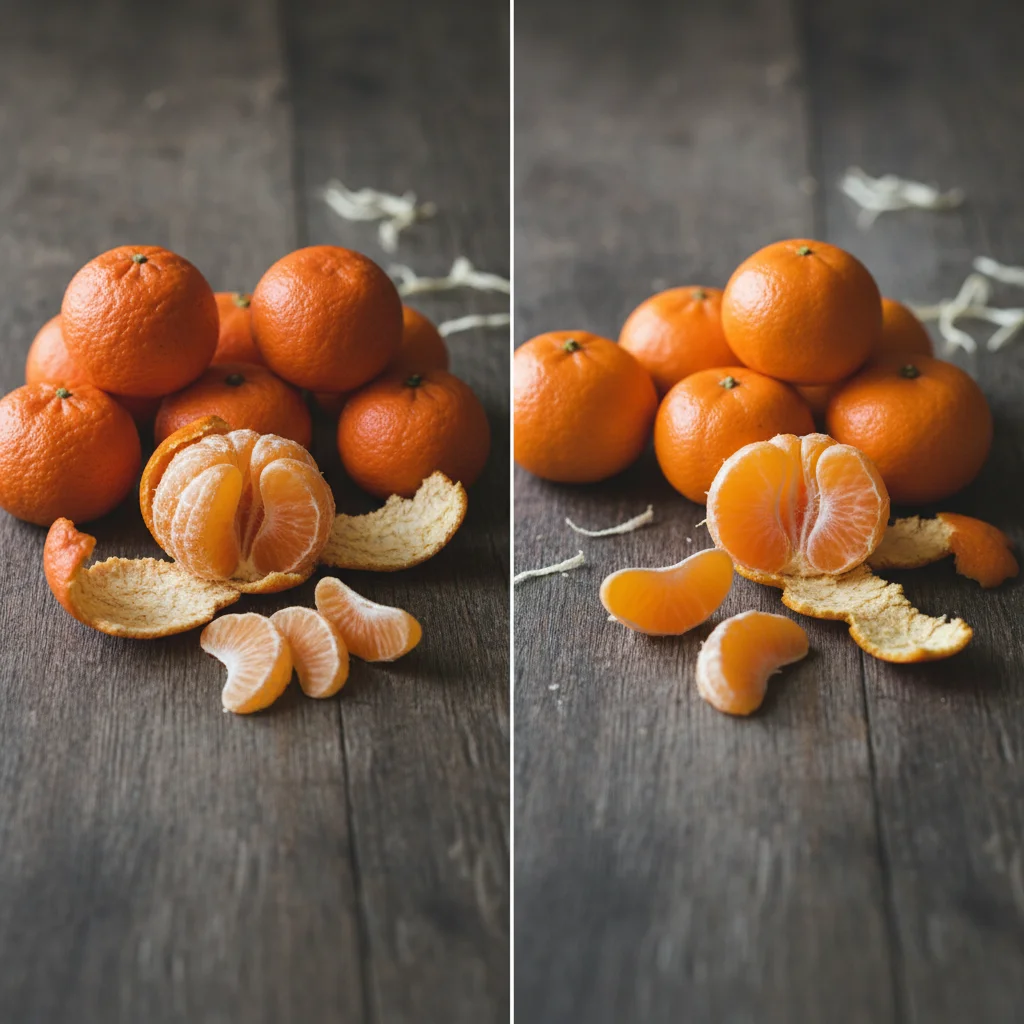
* Appearance: They tend to be slightly larger than clementines with a deeper, reddish-orange hue. Their skin is looser and pebbly, making them easier to peel than many oranges, but sometimes messier.
* Taste & Seeds: The flavor is typically tangier and more robust, with a distinctive tartness balancing the sweetness. They often contain seeds.
* Season: Their peak season runs from late fall through winter.
What Are Clementines? The Sweet, Seedless Star
Clementines are also a type of mandarin orange. They are widely believed to be a hybrid between a sweet orange and a mandarin, famously cultivated by Father Clément Rodier in Algeria. They are sometimes marketed as “Cuties” or “Sweeties” in stores.
Key Characteristics of Clementines:
* Appearance: They are usually smaller, with a bright, glossy orange skin that is tight and smooth. They are famously easy to peel.
* Taste & Seeds: The flavor profile is consistently sweet, mild, and less acidic than a tangerine. They are prized for being virtually seedless.
* Season: Their availability spans from November to January, making them a holiday staple.
Head-to-Head Comparison: Tangerine vs Clementine
To see the differences clearly, let’s examine them side-by-side.
| Feature | Tangerine | Clementine |
|---|---|---|
| Type | A specific variety of mandarin. | A hybrid variety of mandarin. |
| Peel | Looser, pebbly texture; peels easily but can be messy. | Tight, glossy, and smooth; exceptionally easy to peel. |
| Size & Shape | Generally larger, slightly oblate (flattened at poles). | Smaller, rounder, and often more uniform. |
| Flavor | Bold, tangy, and aromatic with a tart finish. | Consistently sweet, mild, and less acidic. |
| Seeds | Often contains seeds (polyembryonic). | Typically seedless (parthenocarpic). |
| Primary Use | Excellent for eating fresh, juicing, and in recipes where a stronger citrus note is desired. | Ideal for snacks, lunchboxes, and for those who prefer a reliably sweet, seedless fruit. |
Nutritional Profile and Health Benefits
Both fruits are nutritional powerhouses, offering a wealth of vitamins, minerals, and beneficial plant compounds. Consequently, incorporating either into your diet supports overall health.
Shared Nutritional Highlights:
* Vitamin C: An excellent source, crucial for immune function and skin health. A single fruit can provide a significant portion of your daily needs.
* Fiber: Provides dietary fiber, which aids digestion and promotes satiety.
* Antioxidants: Rich in compounds like flavonoids and carotenoids, which help combat oxidative stress. For more on how antioxidants support specific areas of health, explore our guide on antioxidants for prostate health.
* Hydration: High water content helps with hydration.
While their profiles are very similar, tangerines may have a slight edge in vitamin A content due to their deeper color, whereas clementines might be marginally higher in sugar due to their intense sweetness. However, these differences are minimal from a practical dietary standpoint.
How to Choose and Use Them
Your choice between the two often comes down to personal preference and intended use.
Choose Tangerines if:
* You enjoy a more complex, tart-sweet flavor.
* You plan to juice them or use the zest in cooking and baking.
* You don’t mind dealing with a few seeds.
Choose Clementines if:
* You want a perfectly sweet, hassle-free snack for kids or on-the-go.
* Seedlessness is a priority.
* You prefer a fruit that is consistently easy to peel without mess.
Culinary Uses:
Both are versatile. Moreover, they can be used in salads, desserts, smoothies, and savory dishes. Tangerine juice and zest can provide a wonderful aromatic boost to marinades, sauces, and cocktails. The mild sweetness of clementines makes them a perfect addition to fruit salads or as a natural dessert.
Frequently Asked Questions
Are clementines just seedless tangerines?
No, this is a common misconception. While many clementines are seedless, they are a distinct cultivar with different genetic origins, flavor, and texture compared to traditional tangerines.
Which is healthier, tangerines or clementines?
Both are exceptionally healthy choices. Their nutritional profiles are nearly identical, offering great sources of vitamin C, fiber, and antioxidants. Therefore, the “healthier” option is simply the one you are more likely to eat and enjoy regularly.
Can I use them interchangeably in recipes?
Absolutely. You can generally substitute one for the other. However, be mindful that tangerines will impart a stronger, tangier flavor, while clementines will offer a milder sweetness. If a recipe calls for zest, tangerine zest tends to be more aromatic.
The Bottom Line
In the delightful duel of tangerines vs. clementines, there is no single winner. Tangerines bring a bold, classic citrus flavor that is wonderful for cooking, while clementines offer unmatched convenience and sweet, simple pleasure. Ultimately, the best choice depends on your taste buds and your plans for the fruit. Why not try both? Exploring the subtle differences is part of the joy of eating fresh, whole foods. For more insights on supporting your health through diet, you might also be interested in our review of the best powder supplements for gut health.
Sources:
* University of California, Riverside: Citrus Variety Collection
* National Institutes of Health (NIH): Vitamin C Fact Sheet for Consumers

