
Tear Trough Filler Guide: Benefits & Risks
The Complete Guide to Tear Trough Filler: Rejuvenate Your Under-Eyes
Are you tired of looking perpetually tired? Dark, hollow under-eyes can add years to your appearance, regardless of how much sleep you get. Consequently, many people seek solutions to refresh this delicate area. One of the most popular non-surgical treatments available today is tear trough filler. This guide will explain everything you need to know, from the procedure itself to recovery and realistic expectations.
What is Tear Trough Filler?
Tear trough filler is a minimally invasive cosmetic procedure designed to address hollows or dark shadows under the eyes. These hollows, medically known as tear trough deformities, are often caused by a combination of genetics, aging, and volume loss. The treatment involves injecting a hyaluronic acid-based dermal filler into the area to restore lost volume, smooth the transition from the cheek to the lower eyelid, and diminish the appearance of shadows.
It’s crucial to understand that this is not a treatment for dark circles caused by pigmentation or thin skin. Instead, it specifically targets the structural hollowing that creates a shadowed effect. Therefore, a consultation with a qualified practitioner is essential to determine if you are a suitable candidate.
Primary Benefits and Expected Results
When performed correctly by an experienced injector, tear trough filler can offer significant aesthetic improvements. Firstly, it can reduce the appearance of under-eye hollows and dark shadows, creating a brighter, more rested look. Additionally, it can smooth out the contour between your lower eyelid and cheek, which often softens the overall appearance of the face.
Moreover, the results are typically immediate, though final settling occurs over one to two weeks. Importantly, the effects are not permanent; they generally last between 9 to 18 months, depending on the product used and your individual metabolism. This temporary nature is often seen as a benefit, as it allows for adjustments over time.
Potential Risks and Side Effects
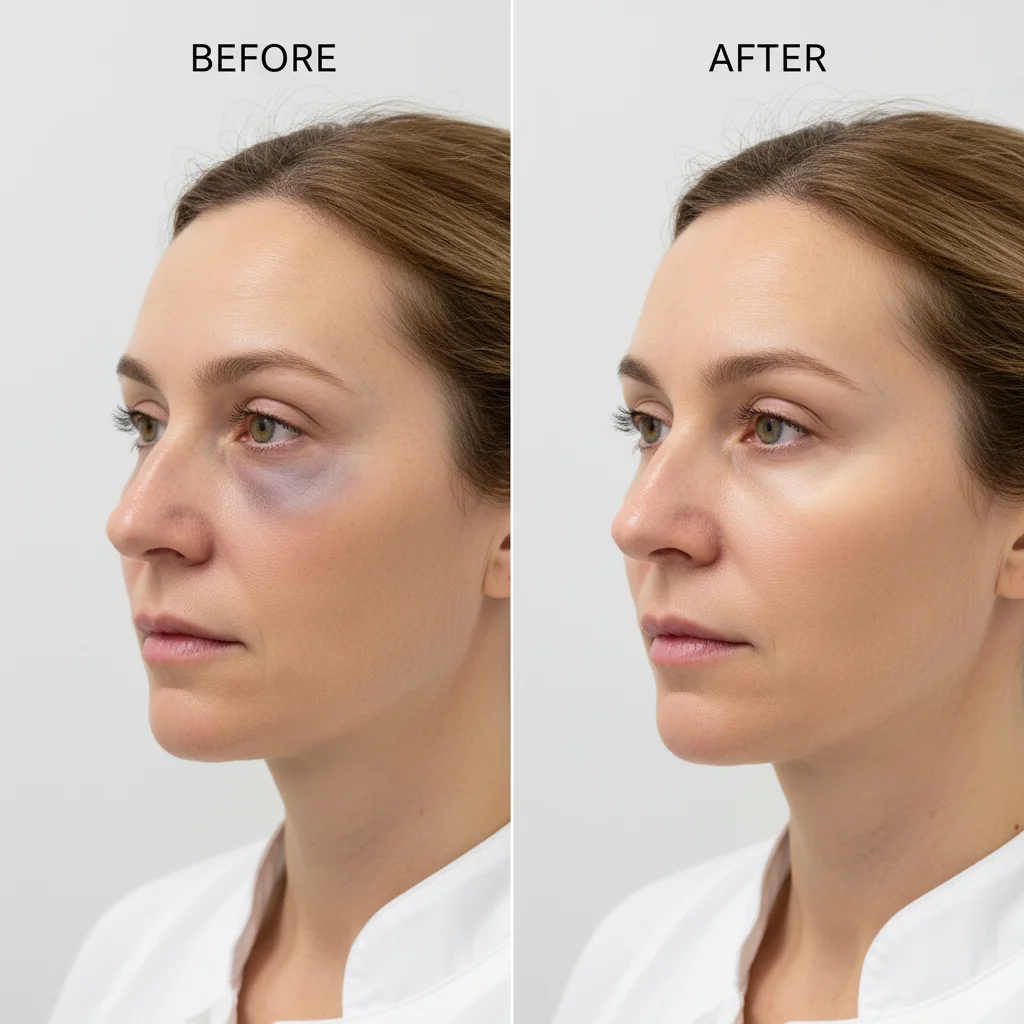
As with any medical procedure, tear trough filler carries potential risks. Understanding these is a critical part of the decision-making process. Common, temporary side effects include swelling, bruising, redness, and tenderness at the injection sites. These usually subside within a few days to a week.
However, more serious complications, though rare, can occur. These include:
* Lumps or Irregularities: Poor technique or product placement can lead to visible bumps.
* Tyndall Effect: A bluish discoloration can appear if filler is placed too superficially.
* Vascular Compromise: This is the most severe risk, where filler is accidentally injected into a blood vessel, potentially blocking blood flow. This can lead to skin necrosis or, in extremely rare cases, vision impairment.
Because of these significant risks, it is paramount to choose a board-certified dermatologist or plastic surgeon with extensive experience in this specific procedure. Do not prioritize cost over safety.
What to Expect: The Procedure and Recovery
The procedure itself is relatively quick, often taking about 15 to 30 minutes. Firstly, a topical numbing cream may be applied. Then, the provider will carefully inject small amounts of filler along the orbital rim using a fine needle or cannula (a blunt-tipped tube often preferred for safety in this area).
Recovery is typically straightforward. You can expect some swelling and possibly bruising. To manage this, practitioners often recommend:
* Applying cold compresses for the first 24-48 hours.
* Sleeping with your head elevated for the first few nights.
* Avoiding strenuous exercise, alcohol, and blood-thinning medications like aspirin for 24-48 hours to minimize bruising.
Most people return to normal activities the next day, though makeup should be avoided until any pinpoint injection sites have healed. If you experience severe pain, vision changes, or white/discolored skin, you must contact your provider immediately.
Tear Trough Filler vs. Other Solutions
It’s helpful to understand how tear trough filler compares to alternative treatments for under-eye concerns. For instance, if your primary issue is puffiness from fluid retention or fat pads, filler is not appropriate and could make the area look worse. In such cases, a lower blepharoplasty (eyelid surgery) might be discussed with a surgeon.
Conversely, for dark circles primarily due to thin skin revealing underlying blood vessels, treatments like topical retinoids or laser therapy might be recommended. Furthermore, ensuring good overall health is foundational; sometimes, fatigue and diet can exacerbate under-eye appearance. Exploring sore throat remedies or other wellness topics can remind us that systemic health often reflects in our skin.
Key Considerations Before Your Appointment
- Choose Your Provider Wisely: This cannot be overstated. Research credentials, view before-and-after photos of their actual patients, and read reviews.
- Have a Realistic Consultation: Discuss your goals openly. A good provider will tell you what filler can and cannot achieve. They should also review your full medical history.
- Understand the Costs: Tear trough filler is typically priced per syringe. The required amount varies, so get a clear quote during your consultation.
- Follow Aftercare Instructions Diligently: This ensures optimal results and minimizes complications.
Conclusion: Is It Right for You?
Tear trough filler can be a highly effective solution for rejuvenating the under-eye area and combating a tired appearance. The results can be subtle yet transformative, offering a natural-looking refresh. However, because the eye area is exceptionally delicate and carries unique risks, the choice of provider is the single most important factor in your journey.
Always prioritize safety and expertise over cost. By doing thorough research and setting realistic expectations, you can make an informed decision about whether this popular aesthetic treatment aligns with your goals for a more vibrant and rested look.
For those interested in holistic health approaches that complement aesthetic wellness, learning about the nutritional value of graham crackers or the benefits of raw honey vs pure honey can be part of a broader wellness strategy.

