
Top Surgery Scars: Healing & Fading Tips
Navigating Top Surgery Scars: A Complete Guide to Healing and Care
For many individuals undergoing gender-affirming chest surgery, the journey involves not only profound emotional transformation but also physical healing. Consequently, understanding top surgery scars is a crucial part of the process. This guide provides comprehensive information on scar types, healing stages, and effective care strategies to support your recovery.
What Are Top Surgery Scars?
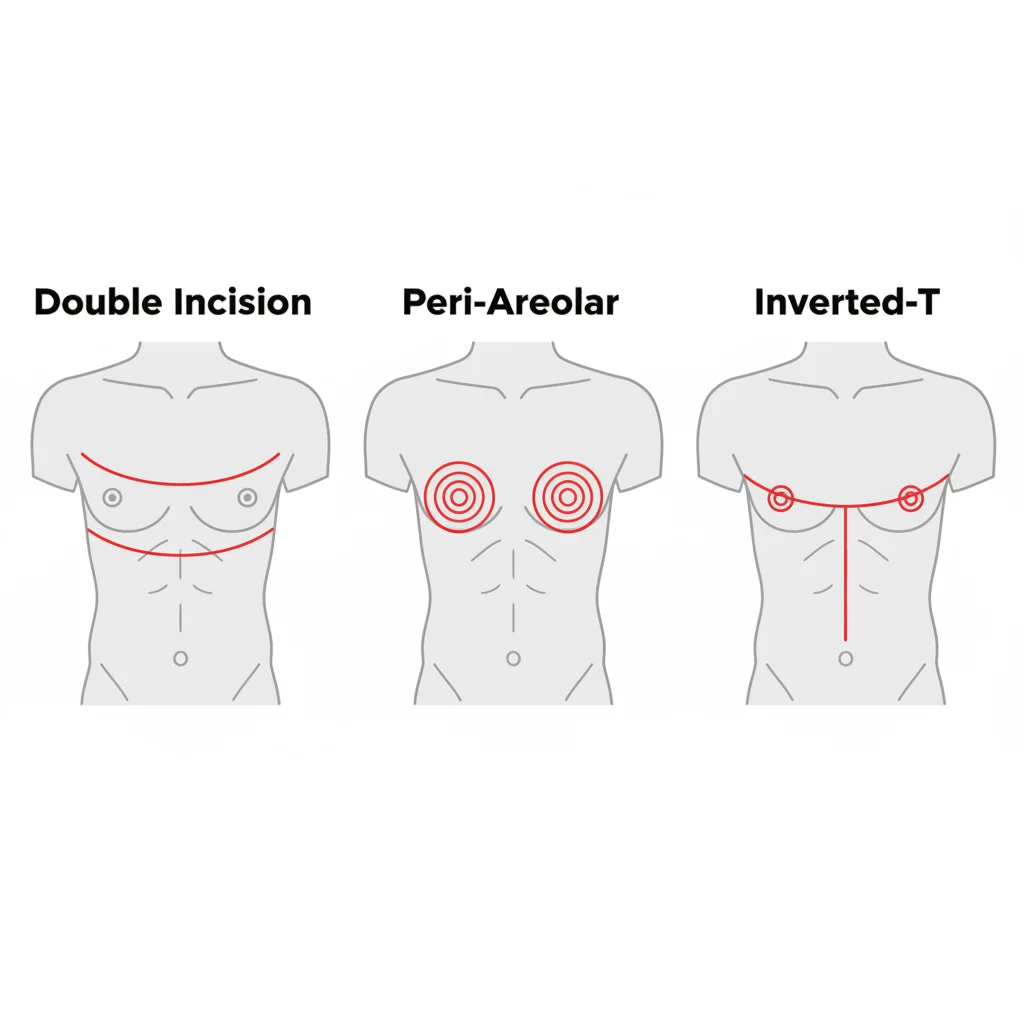
Top surgery, or chest masculinization surgery, involves the removal of breast tissue and reshaping of the chest to create a more masculine contour. The procedure inevitably results in scars, the appearance of which depends heavily on the surgical technique used. Primarily, there are two common methods, each with distinct scar patterns.
Common Surgical Techniques and Resulting Scars
| Surgical Technique | Typical Scar Placement | Best Suited For | Key Considerations |
|---|---|---|---|
| Double Incision with Free Nipple Grafts | Horizontal scars along the lower pectoral line, with separate circular scars around the nipples. | Individuals with larger chest size or significant skin elasticity concerns. | Allows for significant tissue removal and nipple resizing/placement. |
| Peri-Areolar (Keyhole) | Circular scar around the edge of the areola. | Individuals with a very small chest size and good skin elasticity. | Minimizes visible scarring but offers limited tissue removal. |
| Inverted-T or Buttonhole | A horizontal scar combined with a vertical scar from the nipple down, forming a “T” shape. | Often used for moderate chest sizes to preserve nipple sensation. | More complex scar pattern but can maintain blood flow to the nipple. |
The Healing Timeline: What to Expect
Healing is a marathon, not a sprint. Therefore, knowing what to expect can alleviate anxiety and help you monitor your progress effectively.
Stage 1: Inflammatory Phase (Weeks 1-2)
Immediately after surgery, the body initiates healing. The incision lines will be red, swollen, and possibly bruised. Moreover, you will need to wear a post-operative binder and manage drainage tubes as directed by your surgeon.
Stage 2: Proliferative Phase (Weeks 3-6)
During this stage, the body builds new tissue. The scars may appear raised, pink, or purple, and can feel firm or itchy. This is a normal part of collagen production. It is vital to avoid stretching or straining the incisions.
Stage 3: Remodeling Phase (Months 6-24+)
This is the longest phase, where scars mature. They typically soften, flatten, and fade from pink to a color closer to your natural skin tone, often white or silver. However, scar appearance can continue to change for two years or more.
Proven Strategies for Scar Care and Management
Effective scar management begins once your surgeon confirms your incisions are fully closed. A consistent routine can significantly influence the final appearance.
1. Silicone-Based Products
Silicone gel sheets or topical gels are the gold standard in clinical scar management. They work by hydrating the scar, regulating collagen production, and flattening raised tissue. For optimal results, use them daily for several months.
2. Sun Protection
This is non-negotiable. UV rays can permanently darken (hyperpigment) scars, making them more noticeable. Always apply a high-SPF, broad-spectrum sunscreen to your scars, even on cloudy days, for at least a year.
3. Gentle Massage
Once healed, massaging the scar with a moisturizer or oil can break down dense collagen fibers, improve flexibility, and reduce itching. Use firm, circular motions for 5-10 minutes daily.
4. Professional Treatments
For scars that become raised (hypertrophic) or grow beyond the incision line (keloid), professional interventions like steroid injections, laser therapy, or surgical revision may be considered. Always consult your surgeon first.
It’s worth noting that general skin health plays a role in healing. For instance, ensuring you get proper nutrients can support tissue repair. You might explore resources on general wellness, such as a guide to the nutritional value of graham crackers for snack ideas, or learn about powerful antioxidants for prostate health which underscores the importance of antioxidants in bodily repair, a principle that applies to skin recovery as well.
Embracing Your Scars: A Personal Journey
While the goal of care is often to minimize appearance, it’s equally important to frame scars within your personal narrative. They are a testament to your courage and a step toward aligning your body with your identity. Many individuals find community and pride in sharing their healing journeys.
When to Seek Medical Advice
Contact your surgeon if you experience signs of infection (increased redness, warmth, pus, fever), if the scars become extremely painful, or if you notice abnormal thickening or growth. Early intervention is key for addressing complications.
Final Thoughts on Scar Care
Your top surgery scars are a unique part of your story. By understanding the healing process and implementing a diligent care routine, you can actively support your body’s recovery. Remember, patience is paramount because scar maturation takes considerable time. Furthermore, always follow the specific advice of your surgical team, as they know the details of your procedure best.
For more information on surgical aftercare and managing physical changes, you can refer to reputable medical sources like the American Society of Plastic Surgeons or peer-reviewed studies accessible via the National Institutes of Health.

