
Unsalted Pumpkin Seeds: Nutrition & Benefits
The Ultimate Guide to Unsalted Pumpkin Seeds: Nutrition, Benefits & Uses
Unsalted pumpkin seeds, often called pepitas, are a nutritional powerhouse hiding in plain sight. Stripped of added sodium, they offer a pure, versatile form of plant-based goodness. This guide delves into why these tiny seeds deserve a prime spot in your pantry, exploring their impressive health benefits, nutritional profile, and delicious uses.
What Are Unsalted Pumpkin Seeds?
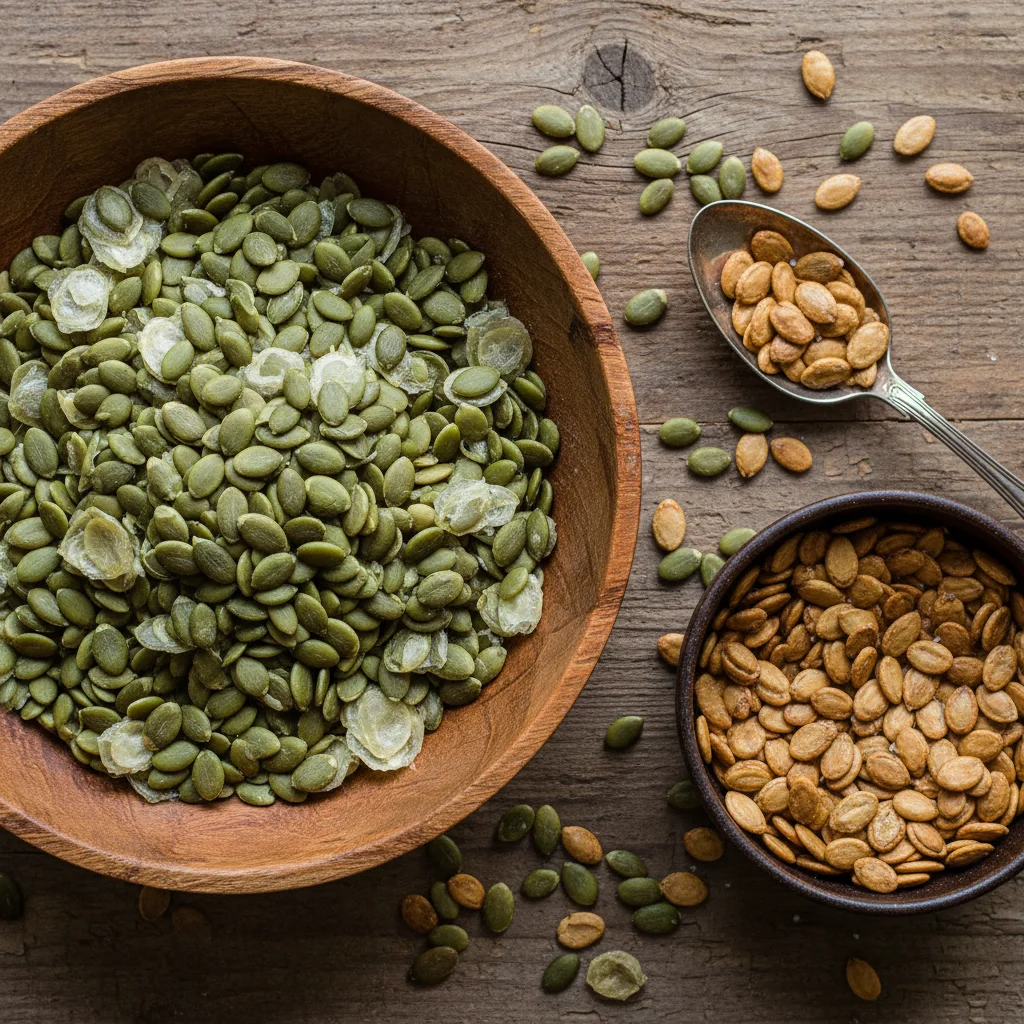
Firstly, unsalted pumpkin seeds are simply the edible kernels found inside pumpkin hulls, dried and prepared without added salt. Consequently, they retain their natural, subtly sweet and nutty flavor. They come in two main varieties: the smaller, dark green, hull-less seeds from specific pumpkins and the larger, white seeds still encased in their shell. For nutritional purposes, the shelled, green kernels are most commonly consumed.
Nutritional Profile of Unsalted Pumpkin Seeds
The health benefits of these seeds stem from their dense concentration of essential nutrients. A standard one-ounce (28-gram) serving provides a substantial nutrient boost.
| Nutrient | Amount in 1 oz (28g) | % Daily Value (DV) |
|---|---|---|
| Calories | 151 kcal | – |
| Protein | 7 grams | 14% |
| Healthy Fats | 13 grams | 20% |
| Fiber | 1.7 grams | 6% |
| Magnesium | 150 mg | 37% |
| Zinc | 2.2 mg | 20% |
| Iron | 2.5 mg | 14% |
| Phosphorus | 329 mg | 33% |
Moreover, they are a rich source of antioxidants, including vitamin E and carotenoids, which help combat oxidative stress in the body. Their impressive magnesium content is crucial for over 300 biochemical reactions, including energy production and muscle function.
Top Health Benefits of Choosing Unsalted
Opting for the unsalted variety provides distinct advantages. Primarily, you avoid the excessive sodium prevalent in many processed snacks, which is beneficial for heart health and blood pressure management. Additionally, you experience the seed’s true flavor, making them more versatile for both sweet and savory dishes.
1. Heart Health and Blood Sugar Support
The magnesium, healthy fats, and fiber in pumpkin seeds work synergistically. Magnesium helps regulate blood pressure, while the fiber and fats contribute to healthy cholesterol levels and stable blood sugar. This makes them an excellent snack for metabolic health, a topic further explored in our guide to managing blood sugar levels.
2. Rich Source of Magnesium and Zinc
As shown in the table, these seeds are exceptionally high in magnesium, a mineral many people lack. Zinc is vital for immune function, skin health, and cell growth. Therefore, incorporating unsalted pumpkin seeds is a simple strategy to bolster your intake of these critical minerals.
3. Antioxidant and Anti-Inflammatory Properties
The seeds contain various antioxidant compounds, such as vitamin E and phenolic acids. These substances help neutralize free radicals, potentially reducing inflammation and protecting your cells. This anti-inflammatory effect can be supportive for overall wellness, including areas like joint health.
4. May Support Prostate and Bladder Health
Some research, including studies noted by the National Institutes of Health (NIH), suggests that pumpkin seed oil and extracts may benefit prostate health. The zinc and phytosterols in the seeds are thought to play a role. For more on nutrients that support this area, see our article on antioxidants for prostate health.
5. Promotes Better Sleep
They are a natural source of tryptophan, an amino acid that the body converts into serotonin and then melatonin, the hormone that regulates sleep cycles. Eating a small handful before bed may contribute to more restful sleep.
How to Use Unsalted Pumpkin Seeds in Your Diet
Their neutral flavor makes them incredibly adaptable. Here are simple ways to enjoy them:
- As a Snack: Eat them raw or roasted for a satisfying, crunchy snack.
- In Salads: Sprinkle them over greens for added texture and nutrition.
- In Baking: Incorporate them into bread, muffin, or granola recipes.
- In Smoothies: Blend a tablespoon into your morning smoothie for a protein and mineral boost.
- As a Topping: Use them on yogurt, oatmeal, soups, or avocado toast.
Buying and Storage Tips
When purchasing, look for seeds that are plump, uniform in color, and free from moisture or mold. Always check the label to ensure no salt or additives have been included. For the longest shelf life, store them in an airtight container in a cool, dark place. You can also refrigerate or freeze them to prevent their healthy oils from going rancid.
Unsalted vs. Salted: Which is Better?
While salted pumpkin seeds are a popular snack, the unsalted version is the superior choice for health-conscious individuals. By choosing unsalted, you control your sodium intake, which is advantageous for maintaining healthy blood pressure. Furthermore, the lack of salt allows their natural, nutty flavor to shine through in culinary applications, from pesto to desserts.
Potential Considerations
Firstly, because they are calorie-dense, moderation is key—stick to about a quarter-cup serving. Secondly, some individuals may have an allergy to pumpkin seeds, though this is rare. Lastly, their high fiber content is beneficial, but introducing them gradually can help your digestive system adjust.
Conclusion
In summary, unsalted pumpkin seeds are a versatile, nutrient-dense superfood that supports heart health, sleep, and overall vitality. By incorporating them into your daily routine, you harness the power of magnesium, zinc, and healthy fats without unnecessary sodium. Ultimately, whether sprinkled on a salad or enjoyed by the handful, they are a simple and powerful addition to a balanced diet.

