
What Is a FUPA? How to Get Rid of FUPA Fast & Naturally
What Is a FUPA? Complete Guide to Understanding and Reducing It
If you’ve ever noticed extra fat in your lower abdomen area and wondered what it is, you’re not alone. Many people search online for what is a FUPA, and the answer is simpler than you think.
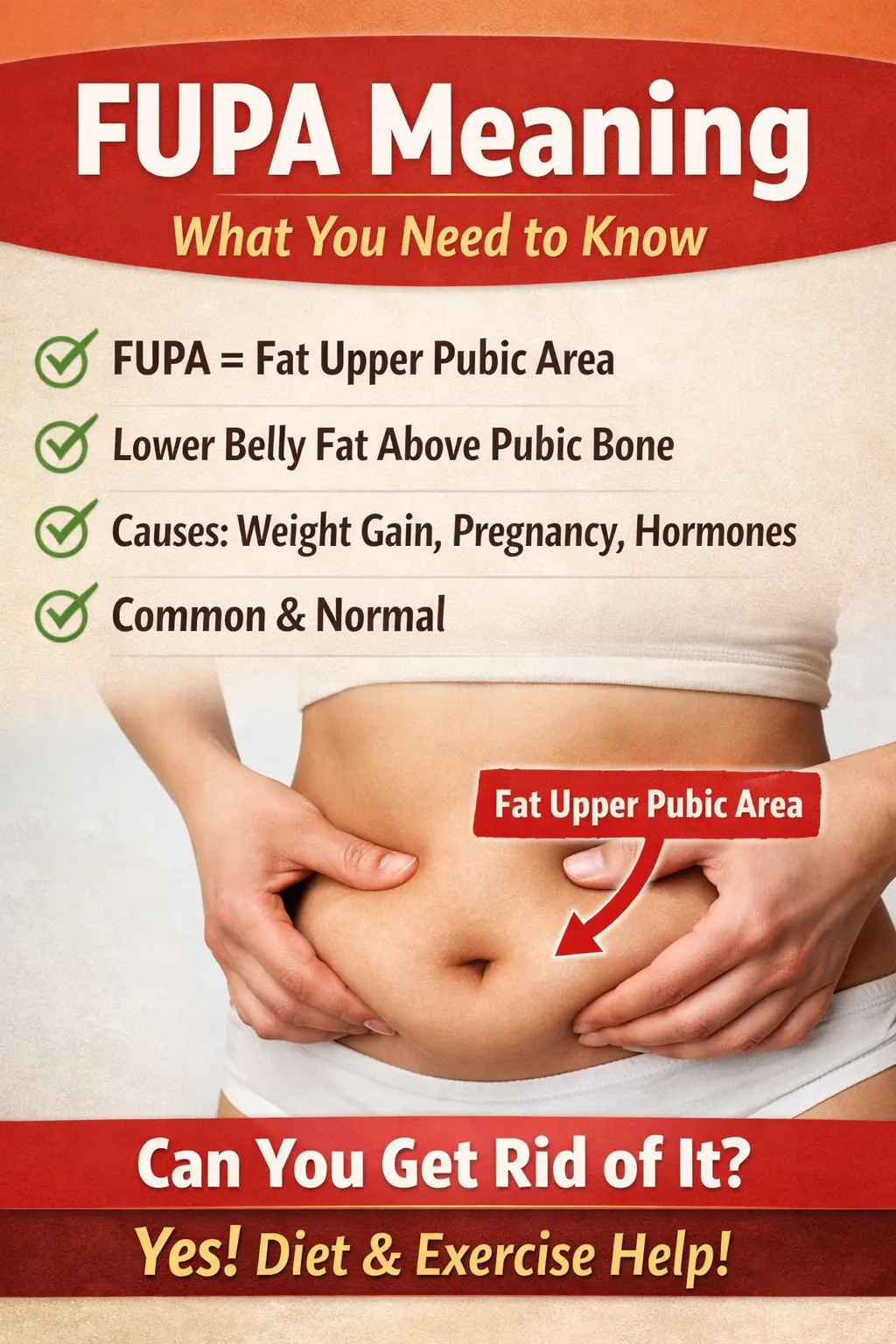
A FUPA (Fat Upper Pubic Area) refers to the layer of fat that sits just above the pubic bone and below the belly. This area is known to store stubborn fat, especially in both men and women after weight gain, pregnancy, or hormonal changes.
What Is FUPA and Why Does It Happen?
Understanding what is fupa is important before trying to reduce it. This fat accumulation can occur due to several reasons:
- Excess body fat
- Hormonal imbalance
- Aging metabolism slowdown
- Pregnancy (common in women)
- Poor diet and lack of exercise
Even people who are not overweight may still struggle with a FUPA because it is one of the hardest areas to tone.
Common Causes of FUPA
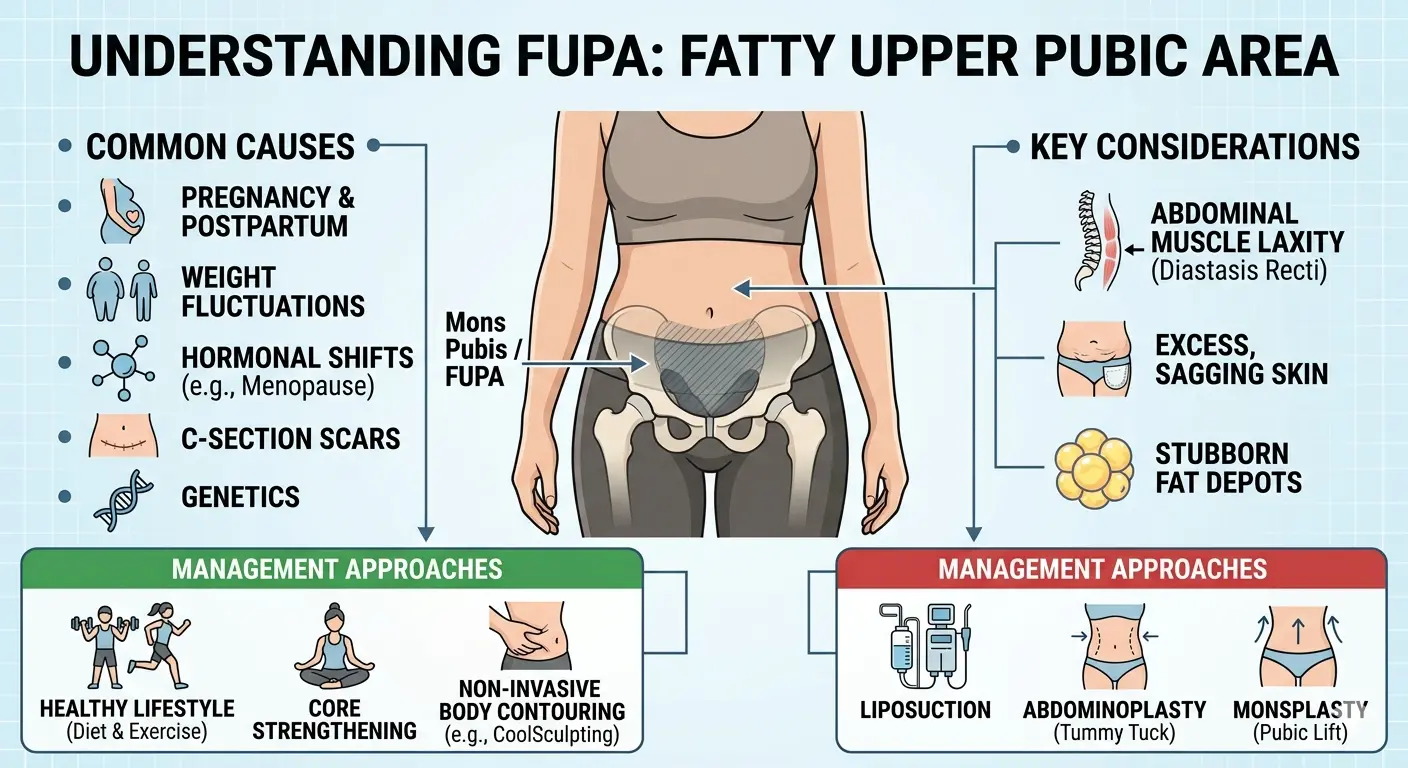
FUPA can develop in anyone, but it is often influenced by specific physiological changes and life events:
1. Pregnancy and Childbirth: This is one of the most common reasons people notice or develop a FUPA.
Weight Gain: The body naturally gains weight, including in the abdomen and mons pubis, during pregnancy.
Skin and Muscle Stretching: The abdominal muscles (rectus abdominis) stretch and sometimes separate (diastasis recti) to accommodate the growing uterus. After childbirth, these muscles may remain weak and stretched, causing the abdomen and lower pelvic area to bulge.
Hormonal Changes: Hormonal shifts during and after pregnancy can alter how the body stores fat.
2. Weight Fluctuations: Losing or gaining a significant amount of weight can affect this area.
Weight Gain: A general increase in body fat can lead to fat accumulation in the mons pubis, just like any other part of the body.
Weight Loss: Rapid or substantial weight loss can sometimes leave behind loose, sagging skin in the lower abdomen and pubic area, contributing to the appearance of a FUPA, even after fat is lost.
3. Hormonal Shifts: Hormonal changes, such as those that occur during puberty, menopause, or due to certain medications, can influence fat distribution patterns. Estrogen levels, in particular, play a role in where the body stores fat.
4. C-Section Scars: A Cesarean section (C-section) is a major abdominal surgery. The incision, which is often horizontal and low on the abdomen, creates scar tissue (fibrosis).
The “C-Section Pooch”: The scar tissue and the tightening of the underlying layers can sometimes create a bulge or “shelf” of tissue immediately above the incision line. This scar tissue is less elastic and can cause the skin and remaining fat above it to appear more prominent.
5. Genetics: Genetics play a major role in where your body naturally stores fat. If your family members tend to carry more weight in the lower abdomen or pelvic region, you may be genetically predisposed to developing a FUPA.
Treatment Options for FUPA
Addressing a FUPA usually involves a combination of non-surgical lifestyle adjustments and surgical interventions, depending on the cause (fat accumulation vs. skin laxity) and the individual’s goals.
Non-Surgical Approaches (Focus on Fat Reduction)
Overall Weight Loss: It is impossible to spot-reduce fat. However, reduction in overall body fat percentage through a balanced diet and consistent exercise (cardio and strength training) can eventually reduce fat in the FUPA area.
Strength Training: Focusing on the lower body and core can tone the underlying muscles, although this will not directly “burn off” the fat on top of them. Exercises that strengthen the transverse abdominis (deep core muscles) can help provide a flatter appearance to the abdomen.
Surgical Approaches (Targeting the Specific Area)
For individuals who are close to their target weight but still have a prominent FUPA due to stubborn fat, loose skin, or C-section scar issues, surgery is often the most effective option.
1. Liposuction: Liposuction is ideal for reducing localized pockets of fat in individuals with good skin elasticity.
The Procedure: A small incision is made, and a thin tube (cannula) is used to suction out the excess fat from the mons pubis area.
Best For: Individuals whose primary concern is excess fat and who do not have a significant amount of loose, sagging skin.
2. Abdominoplasty (Tummy Tuck): A tummy tuck is a more comprehensive procedure that addresses multiple issues, especially those following pregnancy or massive weight loss.
The Procedure: The surgeon makes an incision low on the abdomen (similar to a C-section but longer), removes excess skin and fat, and tightens the weakened or separated abdominal muscles.
Monsplasty Addition: In cases where the FUPA is significant, a monsplasty (pubic lift) can be performed concurrently with a tummy tuck to lift and reduce the mons pubis itself.
Best For: Individuals with significant loose skin, weakened abdominal muscles, or persistent bulges above a C-section scar.
3. Monsplasty (Pubic Lift): A monsplasty is specifically designed to reduce and reshape the mons pubis.
The Procedure: It involves removing excess skin and fat from the pubic area and tightening the tissue to create a smoother, flatter appearance.
Best For: Individuals whose primary concern is localized tissue and skin excess in the pubic area, often following massive weight loss or persistent FUPA despite overall weight loss you can read our blog for Brain Health Supplements.
FUPA Meaning?
FUPA stands for Fat Upper Pubic Area. It refers to the layer of fat located in the lower abdomen, specifically above the pubic bone and below the belly.
How to Get Rid of FUPA Effectively
One of the most searched questions is how to get rid of fupa, and the truth is — there is no single magic solution. But combining the right strategies can give fast and visible results.
1. Focus on Fat Loss, Not Spot Reduction
You cannot target only one area. Full-body fat loss is key to reducing FUPA.
2. Improve Your Diet
A clean, calorie-controlled diet is essential:
- Reduce sugar and processed foods
- Increase protein intake
- Eat fiber-rich vegetables
- Drink more water
3. Add Cardio Workouts
Cardio helps burn overall fat:
- Walking (30–45 mins daily)
- Running or jogging
- Cycling
4. Strength Training
Muscle building boosts metabolism and helps burn fat faster.
Best Exercises for FUPA Fat Reduction
If you’re serious about learning how to get rid of fupa, you must include targeted exercises along with fat loss.
🔹 Leg Raises
Helps tighten lower abdominal muscles
🔹 Plank
Builds core strength and burns fat
🔹 Mountain Climbers
Excellent for burning calories quickly
🔹 Crunches
Targets the lower belly region
Consistency is more important than intensity. Even 20–30 minutes daily can show results.
Best Diet Plan to Lose FUPA Fat
Your diet plays the biggest role in losing stubborn fat.
Include:
- Lean protein (chicken, eggs, fish)
- Healthy fats (avocado, nuts)
- Whole grains
- Fruits and vegetables
Avoid:
- Sugary drinks
- Junk food
- Refined carbs
A high-protein diet helps reduce cravings and speeds up fat loss.
Natural Ways to Get Rid of FUPA
Many people prefer natural methods for how to get rid of fupa naturally, and here are some effective tips:
- Drink green tea (boosts metabolism)
- Stay hydrated
- Sleep 7–8 hours daily
- Reduce stress (cortisol increases fat storage)
Why Is FUPA So Hard to Lose?
The FUPA area stores fat due to hormonal and genetic factors. That’s why it’s often called stubborn fat.
Even when you lose weight, this area may shrink slower than others. But with consistency, it will reduce.
Fastest Way to Lose FUPA Fat
If you’re looking for faster results, combine:
- Diet + Exercise
- Intermittent fasting
- Fat-burning supplements (optional)
Some people also explore non-surgical treatments, but natural fat loss is always the safest and most sustainable option.
Common Mistakes to Avoid
When trying to reduce FUPA, avoid these mistakes:
- Only doing ab exercises
- Skipping meals
- Crash dieting
- Not being consistent
These can slow down your progress.
Best Fat Burning Solutions for FUPA
For people struggling with stubborn fat, many turn to fat-burning solutions.
Look for products that:
- Boost metabolism
- Reduce appetite
- Increase energy
However, always combine them with diet and exercise for best results.
Final Thoughts: Can You Get Rid of FUPA?
Yes — absolutely.
If you were wondering what is a fupa and how to get rid of it, now you know:
- It’s a common fat area
- It can be reduced with the right strategy
- Consistency is the key
You don’t need extreme methods — just a smart combination of diet, exercise, and lifestyle changes.
Frequently Asked Questions (FAQs) About FUPA
1. What is a FUPA?
A FUPA (Fat Upper Pubic Area) is the fat located above the pubic bone and below the lower abdomen. Many people search for what is a fupa because it is a common concern, especially after weight gain or pregnancy.
2. What is FUPA and why does it develop?
If you’re wondering what is fupa, it develops due to excess fat storage in the lower abdominal region. Common causes include poor diet, lack of exercise, hormonal changes, aging, and genetics.
3. How to get rid of FUPA fast?
To understand how to get rid of fupa, you need a combination of:
- Healthy diet
- Regular exercise
- Cardio workouts
- Strength training
There is no instant solution, but consistent effort gives visible results.
4. Can you lose FUPA naturally at home?
Yes, you can get rid of fupa naturally by following:
- Balanced diet
- Daily workouts
- Proper sleep
- Stress management
No surgery is required if you stay consistent.
5. What are the best exercises for FUPA fat?
The best exercises to reduce FUPA include:
- Planks
- Leg raises
- Mountain climbers
- Crunches
These help strengthen the lower abdominal area and support fat loss.
6. Why is FUPA fat so hard to lose?
FUPA is considered stubborn fat because it is influenced by hormones and genetics. Even if you lose weight, this area may take longer to shrink compared to other body parts.
7. Can skinny people have a FUPA?
Yes, even slim individuals can have a FUPA. This is because fat distribution depends on genetics and hormones, not just body weight.
8. How long does it take to lose FUPA?
The time to lose FUPA varies from person to person. With proper diet and exercise, you may start seeing results in 4 to 8 weeks, but full transformation can take longer.
9. Are fat-burning supplements effective for FUPA?
Fat-burning supplements can support weight loss by boosting metabolism and energy levels. However, they work best when combined with a healthy lifestyle.
10. What is the fastest way to reduce FUPA?
The fastest way includes:
- Calorie deficit diet
- High-intensity workouts
- Regular cardio
- Consistency
There is no overnight fix, but the right routine speeds up results.


3 thoughts on “What Is a FUPA? How to Get Rid of FUPA Fast & Naturally”
Comments are closed.