
Black History Crafts for Learning
Engaging Black History Crafts: Celebrate Heritage with Creativity
Celebrating Black history is a vital, year-round endeavor that fosters understanding, pride, and connection. Engaging in Black history crafts provides a powerful, hands-on way to explore the rich tapestry of contributions, stories, and cultural symbols.
These activities are perfect for families, classrooms, and community groups looking to make history tangible and inspiring. Consequently, this guide offers a variety of craft ideas designed to educate and celebrate.
Why Crafts Are a Powerful Tool for Learning History
Firstly, crafts transform abstract historical concepts into concrete creations. They engage multiple senses, which can enhance memory and emotional connection to the subject matter. Moreover, the process of creating something provides a natural opportunity for discussion.
While making a craft about a historical figure or event, you can share stories and facts, making the learning experience interactive and personal. This method is especially effective for children, as it moves beyond textbooks into the realm of creative expression.
A Collection of Meaningful Black History Craft Ideas
Here, you will find projects categorized by theme and complexity. These ideas use common household or classroom materials and are adaptable for various age groups.
1. Symbolism & Heritage Crafts
These projects focus on iconic symbols and colors that represent strength, unity, and heritage.
- Adinkra Cloth Prints: Explore West African symbolism using stamps carved from potatoes or foam. Popular Adinkra symbols include Gye Nyame (except God) and Sankofa (learn from the past).
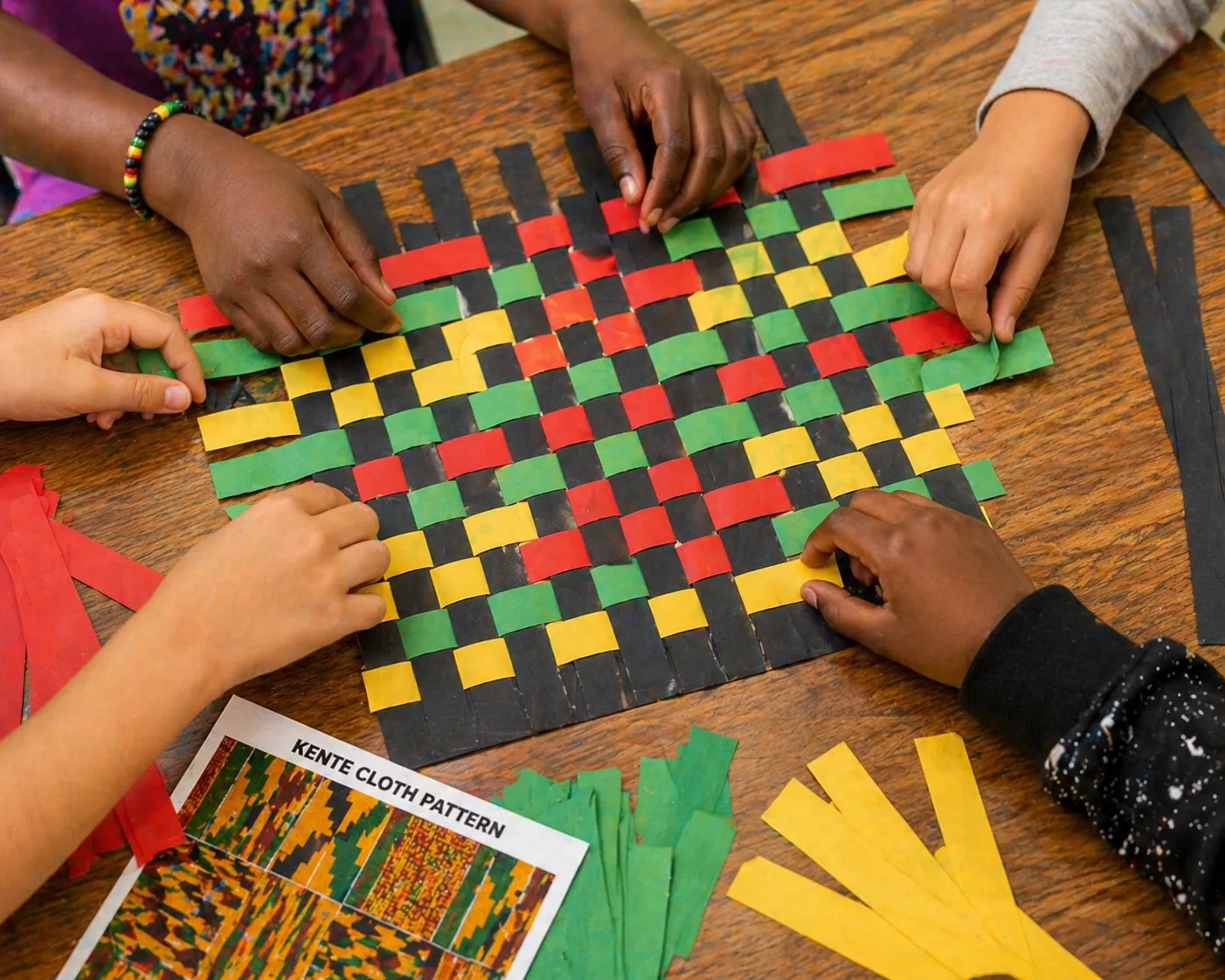
- Kente Paper Weaving: Use strips of colorful construction paper to weave your own mini Kente cloth, discussing the history and meanings behind its vibrant patterns.
- Unity Handprint Wreath: Trace hands on various shades of brown and black paper, then arrange them in a circle to create a wreath symbolizing community and diversity.
2. Celebrating Historical Figures & Events
Honor specific individuals and milestones through portrait and scene-based crafts.
- Rosa Parks Bus Collage: Create a simple bus shape from black paper and add a portrait of Rosa Parks. This can spark conversations about the Montgomery Bus Boycott.
- Ruby Bridges Story Board: Using a paper doll and a schoolhouse drawing, children can depict the courageous story of school integration.
- “I Have a Dream” Cloud Mobiles: Write dreams for a better world on paper clouds and hang them from a hanger, inspired by Dr. Martin Luther King Jr.’s iconic speech.
3. Music & Arts Appreciation Crafts
Celebrate the monumental contributions to music and visual arts.
- DIY Jazz Instruments: Make simple shakers from rice and paper plates or rubber band guitars to explore the origins of jazz.
- Basquiat-Inspired Crown Art: Using mixed media like crayons, markers, and collage, create artwork featuring the iconic crown motif used by artist Jean-Michel Basquiat.
- Blues Harmonica Decoration: Decate a popsicle stick “harmonica” while listening to legends like Muddy Waters or B.B. King.
Craft Project Quick-Reference Table
For easy planning, here is a comparison of some popular craft ideas:
| Craft Project | Primary Learning Focus | Suggested Age Group | Key Materials Needed |
|---|---|---|---|
| Paper Kente Weaving | African Textile Art, Patterns & Colors | Elementary School+ | Colored construction paper, scissors, glue |
| Rosa Parks Bus Collage | Civil Rights Movement, Courage | Preschool+ | Construction paper, glue, markers, photo printout |
| Adinkra Symbol Stamps | West African Philosophy & Symbolism | All Ages | Potatoes/carving foam, paint, paper |
| “I Have a Dream” Mobile | Speech & Legacy of Dr. Martin Luther King Jr. | Kindergarten+ | Paper, string, coat hanger, markers |
| DIY Djemde Drum | Musical Heritage, Rhythm | Elementary School+ | Empty oatmeal container, construction paper, tape |
Tips for a Successful and Respectful Crafting Experience
To ensure your activities are both fun and meaningful, consider these guidelines. Firstly, always provide context. Briefly explain the “why” behind the craft before you start. Secondly, encourage questions. Use the activity as a springboard for age-appropriate discussions.
Additionally, focus on celebration and resilience. While it’s important to acknowledge struggles, also highlight joy, innovation, and triumph. Furthermore, you can extend the learning by pairing crafts with books, documentaries, or music from Black artists.
Frequently Asked Questions (FAQs) – Black History Crafts
1. What are Black History crafts?
Black History crafts are creative activities that help children and adults learn about Black heritage, culture, historical figures, and achievements through art projects.
2. Why are Black History crafts important?
They make history engaging, meaningful, and easier to understand while celebrating culture, resilience, and important contributions.
3. Who can do Black History crafts?
These crafts are great for kids, families, classrooms, teachers, homeschool groups, and community programs.
4. What are easy Black History craft ideas for kids?
Easy ideas include paper Kente weaving, Rosa Parks bus collage, unity handprint wreath, and “I Have a Dream” mobiles.
5. What is a Kente weaving craft?
It is a paper weaving activity inspired by traditional African Kente cloth using colorful strips of paper.
6. What are Adinkra symbol crafts?
These crafts use African Adinkra symbols and stamps to teach values, wisdom, and cultural meanings.
7. How do crafts help children learn history?
Crafts make historical stories visual, hands-on, and memorable through creative learning.
8. Can Black History crafts be used in classrooms?
Yes, they are excellent for Black History Month lessons, school projects, and diversity education.
9. What materials are needed for Black History crafts?
Common materials include paper, glue, scissors, markers, paint, string, and recycled household items.
10. What historical figures can be included in crafts?
Popular figures include Rosa Parks, Martin Luther King Jr., Ruby Bridges, Harriet Tubman, and many others.
11. Are Black History crafts only for February?
No, Black history can and should be celebrated all year through learning and creative activities.
12. How do I make crafts respectful and educational?
Provide context, share real stories, encourage questions, and focus on achievements as well as history.
13. Can music-themed Black History crafts be done?
Yes, kids can make jazz instruments, drums, harmonicas, and art inspired by Black musicians.
14. What age group are these crafts for?
Black History crafts can be adapted for preschoolers, elementary students, teens, and adults.
15. Why should families try Black History crafts?
They create meaningful conversations, celebrate culture, and help children appreciate history through creativity.
Extending the Creative Celebration
Crafting is just one avenue for creative exploration. If you enjoy hands-on projects for different occasions, you might find inspiration in our guide to Lent crafts for another cultural and reflective activity. Moreover, the spirit of creativity connects many aspects of life, including wellness. For instance, the thoughtful preparation of a soothing cup of lavender tea can be its own nurturing ritual, much like the focused time spent on a meaningful craft.
Ultimately, Black history crafts are more than just art projects; they are bridges to the past and investments in a more understanding future. By dedicating time to create and learn, you help keep important stories alive and relevant for generations to come. Therefore, gather your materials, open the dialogue, and let creativity be your guide to celebration and education.

