
Blue Lotus Tea Benefits & Brewing Guide
Blue Lotus Tea: An Ancient Elixir in Your Modern Cup
For centuries, the alluring blue lotus flower (Nymphaea caerulea) has been steeped in ritual, art, and medicine. Today, its delicate petals are finding a new audience as a soothing herbal tea. This guide delves into the fascinating world of blue lotus tea, exploring its historical roots, reported effects, and how you can incorporate this ancient botanical into your wellness routine.
What is Blue Lotus?
Firstly, it’s crucial to clarify that the “blue lotus” is not a true lotus but a water lily native to regions along the Nile and in parts of Asia. Historically, it held profound sacred significance in ancient Egyptian culture, often depicted in art and associated with spiritual rituals, rebirth, and the sun god Ra. Consequently, its use was both ceremonial and recreational.
The plant contains several bioactive compounds, including nuciferine and aporphine, which are believed to interact with neurotransmitters in the brain. This interaction is the basis for its reported psychoactive and calming properties.
Potential Benefits and Effects of Blue Lotus Tea
Modern interest in blue lotus tea revolves around its anecdotal and traditional benefits. It’s important to note that robust scientific research in humans is limited, and many reported effects are based on historical use and contemporary user experiences.
| Reported Effect | Description & Anecdotal Evidence | Important Consideration |
|---|---|---|
| Relaxation & Stress Relief | Many users describe a gentle calming sensation, often likened to mild sedation without significant drowsiness. This makes it a popular choice for evening unwinding. | It is not a substitute for clinically proven treatments for anxiety disorders. |
| Enhanced Dream Vividness | A commonly reported effect is more lucid, vivid, or memorable dreams. This aligns with its historical use in rituals intended to induce altered states. | Effects on sleep architecture are not scientifically documented. |
| Mild Euphoria & Mood Lift | Some report a subtle uplift in mood and a sense of mild, relaxed euphoria, potentially due to its dopaminergic activity. | The intensity varies greatly between individuals and preparations. |
| Aphrodisiac Qualities | Traditionally used as a libido enhancer, this effect remains a popular reason for its consumption. | This use is based entirely on historical tradition, not modern clinical evidence. |
Moreover, as an herbal infusion, the act of preparing and sipping a warm cup of tea can itself be a relaxing ritual, which may amplify the perceived benefits.
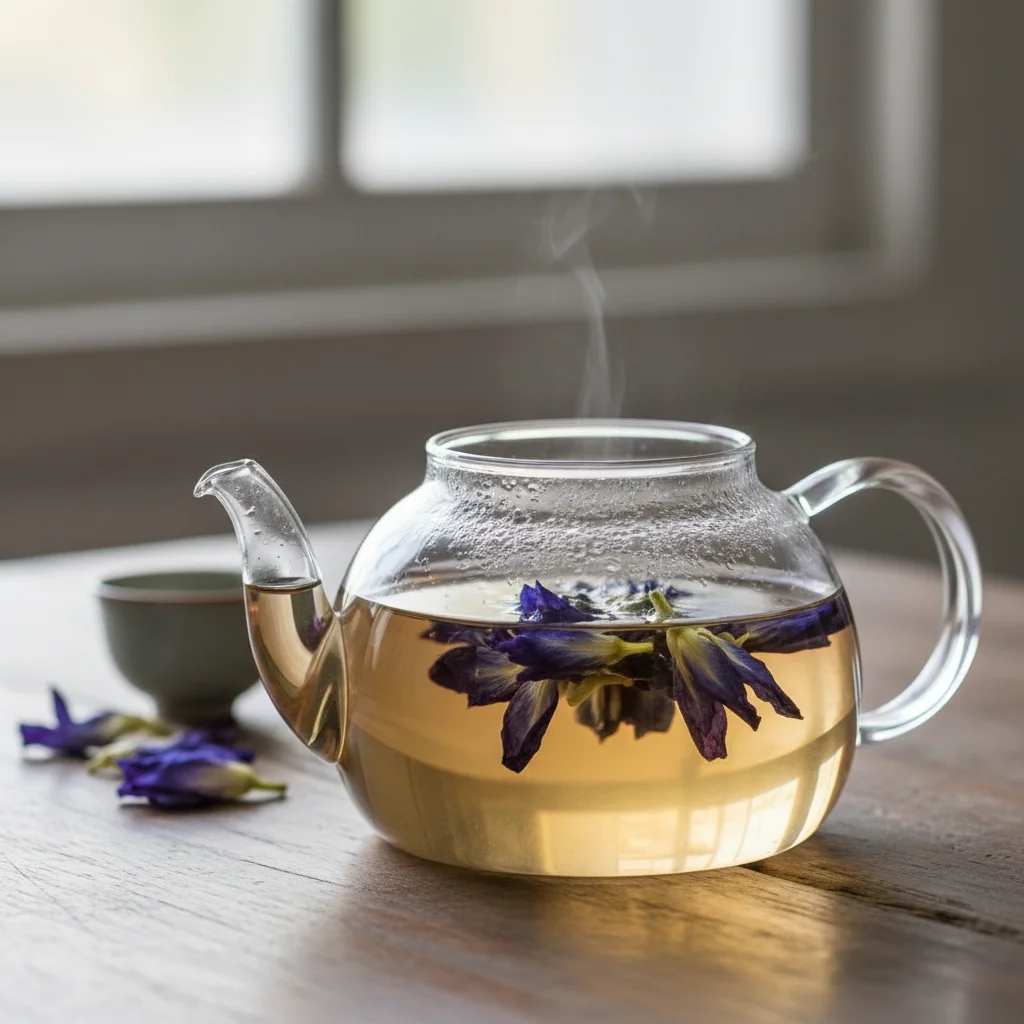
How to Brew Blue Lotus Tea
Brewing blue lotus tea is a simple process, but technique can influence the strength of your infusion.
Ingredients & Tools:
* 1-3 grams of dried blue lotus flowers or petals
* 8-10 oz of hot water (just below boiling, around 190°F or 88°C)
* A teapot or cup with an infuser
* Optional: Honey, lemon, or other tea blends for flavor
Step-by-Step Instructions:
- Measure: Firstly, place your dried blue lotus material into your infuser. A standard starting dose is 1-2 grams.
- Heat Water: Next, heat your water. Avoid using rolling boiling water, as it can degrade delicate compounds. Water just off the boil is ideal.
- Steep: Then, pour the hot water over the flowers and cover your vessel. Allow it to steep for 10-15 minutes. A longer steep time generally yields a stronger effect.
- Strain & Serve: Finally, remove the infuser or strain the flowers. You can enjoy the tea as is, or add a natural sweetener like honey. The flavor is often described as floral, slightly sweet, and earthy.
Important Note: You may find recipes that involve a two-step process of simmering the flowers in wine or a water-alcohol mixture, as this was a traditional Egyptian method believed to better extract alkaloids. However, for a simple tea, hot water infusion is the standard modern approach.
Safety, Legality, and Side Effects
Before trying blue lotus tea, responsible consideration is essential.
- Legality: Its status varies by country and region. In the United States, it is not approved for human consumption by the FDA and is sometimes sold as a “not for consumption” botanical. It is legal to possess in most states but banned in some, like Louisiana. Always check your local regulations.
- Safety & Side Effects: Due to limited clinical research, its safety profile is not fully established. Potential side effects from excessive consumption may include mild nausea, dizziness, or gastrointestinal discomfort. It may also cause drowsiness.
- Contraindications: It should not be combined with alcohol, prescription sedatives, antidepressants (especially MAOIs), or other psychoactive substances. Furthermore, it is not recommended for pregnant or breastfeeding women, or individuals with serious heart, liver, or kidney conditions.
If you are exploring herbal teas for wellness, you might also be interested in learning about other beneficial plants, such as those found in a Medicinal Garden Kit.
Blue Lotus Tea vs. Other Herbal Teas
How does blue lotus compare to common calming teas?
- Chamomile: Both promote relaxation. Chamomile is widely researched and considered very safe for daily use, while blue lotus has a more distinct historical association with dream activity and mild psychoactive effects.
- Valerian Root: Valerian is primarily used as a sleep aid. Blue lotus is often reported to be less sedating and more focused on relaxation and dream enhancement.
- Lavender: Lavender tea is calming and anxiolytic. Blue lotus’s effects are often described as having a more noticeable cognitive or sensory component beyond simple calmness.
Therefore, blue lotus occupies a unique niche, sought after for its specific historical allure and its combination of relaxation with subtle mind-affecting properties.
Where to Find Quality Blue Lotus
Because it is an unregulated botanical, sourcing from reputable vendors is critical. Look for suppliers who provide:
* Transparency: Information on the source and species (Nymphaea caerulea).
* Purity: Products that are 100% dried blue lotus flower with no additives.
* Testing: Some vendors offer third-party lab testing for contaminants.
Always start with a low dose to assess your personal tolerance.
Final Thoughts
Blue lotus tea offers a direct, albeit mild, connection to ancient ceremonial practices. Its potential for gentle relaxation, dream enhancement, and mood lift makes it a fascinating herbal curiosity. However, it must be approached with respect for its psychoactive potential and a clear understanding of the legal and safety landscape. As with any supplement, consulting with a healthcare professional before use is a prudent step, particularly because its interactions with other supplements, like those for prostate health, are unknown.
Ultimately, for the responsible adult intrigued by ethnobotanicals, a carefully brewed cup of blue lotus tea can be a peaceful ritual for exploration and unwinding.