
Bugs Craft Ideas for Kids & Nature Lovers
Bugs Craft: Unleashing Creativity with Nature’s Tiny Wonders
Crafting is a fantastic way to engage the mind, develop fine motor skills, and celebrate the natural world. Consequently, bugs craft projects have soared in popularity, offering a perfect blend of education and hands-on fun for children and adults alike. These activities not only spark creativity but also foster an appreciation for entomology—the study of insects.
Moreover, they provide a wonderful opportunity to reuse household materials, making them both economical and eco-friendly.
If you’re looking for a simple and adorable starting point, our guide to a ladybug paper plate craft is the perfect first project. Additionally, for those exploring alphabet-themed activities, you can find more inspiration with creative ideas like our letter l preschool crafts.
Why Engage in Bugs Craft Activities?
Firstly, crafting with a bug theme is incredibly versatile. It can be tailored for toddlers with simple stickers and paint or scaled up for older kids and adults with intricate models and scientific dioramas. Secondly, these projects are educational; they naturally lead to discussions about insect habitats, life cycles, and their role in our ecosystem.
Furthermore, the tactile process of creating can be calming and therapeutic, reducing stress and improving focus.
Simple & Engaging Bugs Craft Projects for Everyone
To get you started, here is a table of easy-to-execute bug craft ideas using common household items. These projects are categorized by difficulty and primary material to help you choose the perfect activity.
| Bug Type | Craft Idea | Primary Materials Needed | Difficulty (1-5) | Educational Focus |
|---|---|---|---|---|
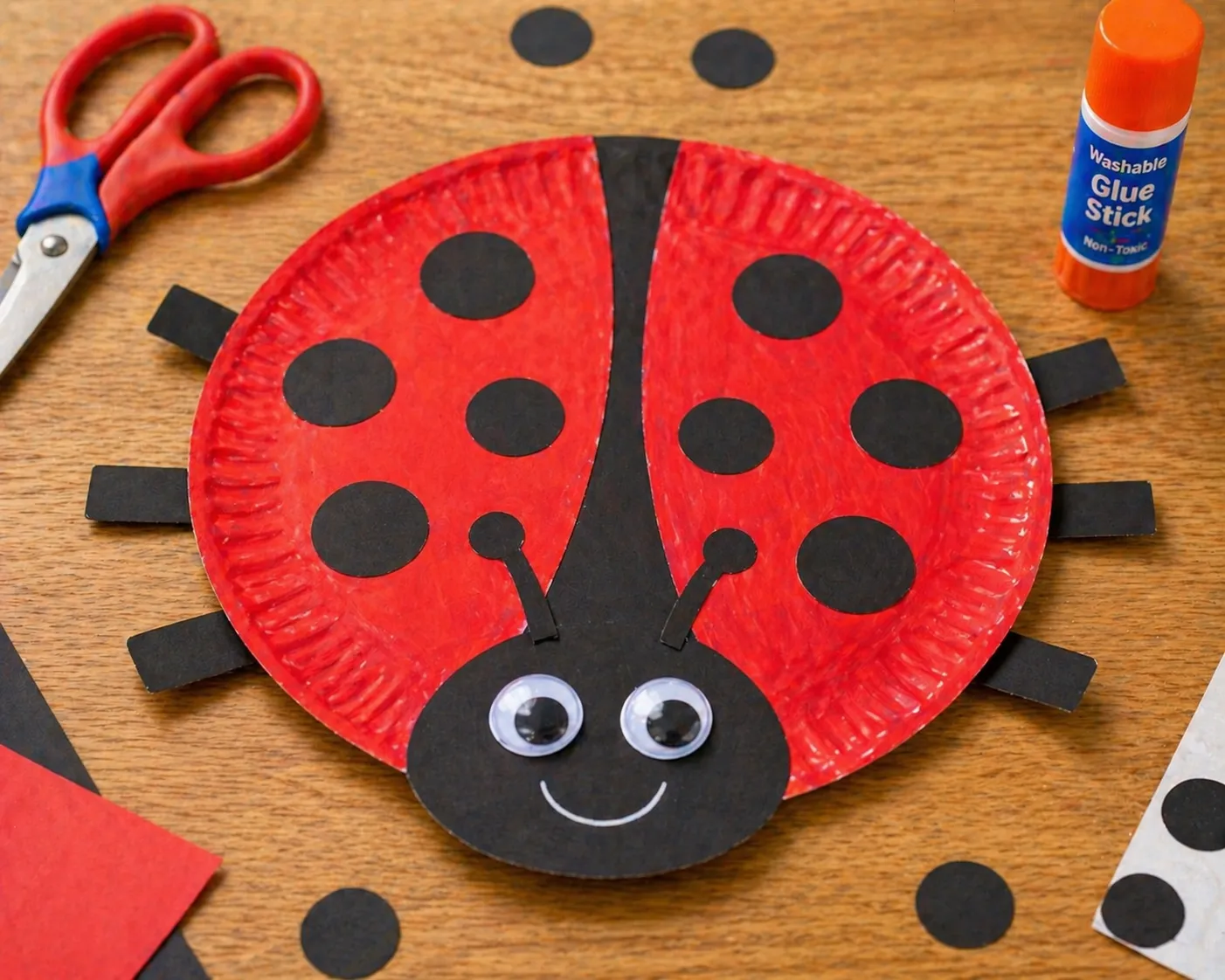
| Ladybug | Paper Plate Ladybug | Paper plate, red/black paint, googly eyes | 1 (Easy) | Color recognition, symmetry |
| Butterfly | Coffee Filter Butterfly | Coffee filters, washable markers, pipe cleaner | 2 | Chromatography, insect anatomy |
| Bee | Toilet Roll Bee | Cardboard tube, yellow/black paint, tissue paper wings | 2 | Pollination, social insect roles |
| Spider | Pom Pom Spider | Black yarn or pom poms, pipe cleaners, googly eyes | 3 | Arachnid vs. insect differences |
| Caterpillar | Egg Carton Caterpillar | Egg carton, paint, pipe cleaners | 2 | Life cycle (caterpillar to butterfly) |
| 3D Beetle | Clay or Play-Doh Beetle | Modeling clay, toothpicks for details | 4 | Insect morphology, creativity |
Step-by-Step: The Classic Paper Plate Ladybug
This is a quintessential beginner craft. Here’s a quick guide:
- Gather Materials: You will need one paper plate, red and black non-toxic paint, a paintbrush, black construction paper, glue, and googly eyes.
- Paint the Base: Firstly, paint the back of the plate entirely red and allow it to dry completely.
- Add Details: Meanwhile, cut a semi-circle from black paper for the head and several small circles for spots. Once the red paint is dry, paint a black line down the center of the plate to divide the wings.
- Assemble: Finally, glue the black head to one edge of the plate. Attach the black spots symmetrically on the red wings. Then, glue the googly eyes onto the head.
Taking It Further: Educational Insect Dioramas
For older children, a diorama project can deepen learning. Therefore, challenge them to create a habitat for their crafted bug. Use a shoebox to build a scene with grass (green paper), flowers (tissue paper), and a sun (yellow pom pom). This integrates lessons on ecology and what insects need to survive.
Moreover, you can pair this with a discussion about beneficial garden insects, linking to topics like the health of plants and vegetables, such as the differences between broccoli vs cauliflower in your garden.
The Benefits: More Than Just a Craft
Engaging in bugs craft offers a multitude of developmental benefits. Creativity and Imagination are obviously at the forefront, as children decide colors and designs. Fine Motor Skills are honed through cutting, gluing, and painting. Most importantly, it builds a Foundation for Science.
A hands-on craft is a memorable introduction to biology, far more engaging than a textbook.
Furthermore, crafting can be a bridge to conversations about health and nature. For instance, while discussing bees, you might talk about pollination and its role in producing the foods we eat, from fruits to the ingredients in a soothing cup of chamomile tea. Similarly, learning about natural patterns can lead to an interest in other natural wellness topics.
Tips for a Successful Crafting Session
To ensure your bug crafting is fun and frustration-free, consider these tips:
* Prepare the Space: Cover your table with newspaper or a cheap plastic cloth beforehand to make cleanup effortless.
* Pre-cut for Youngsters: For very young children, pre-cut complex shapes to avoid scissor-related frustration.
* Embrace Imperfection: The goal is the process, not perfection. Consequently, praise the effort and creativity, not just the final product.
* Ask Questions: Use the activity as a dialogue. Ask, “What does your bug eat?” or “Where does it sleep?” to extend the learning.
In conclusion, bugs craft activities are a wonderfully versatile tool for creative expression and informal education. They transform simple materials into opportunities for discovery and connection. So, gather your paper plates, pipe cleaners, and enthusiasm, and start your entomological art adventure today!

