
Butt Bleaching Safety Guide
A Complete Guide to Butt Bleaching: What You Need to Know
Butt bleaching, or intimate area skin lightening, is a cosmetic procedure aimed at reducing hyperpigmentation in the buttocks and surrounding regions. Consequently, this practice has gained popularity for aesthetic reasons, often driven by personal preference or beauty standards.
However, it is crucial to approach this topic with a focus on safety and informed decision-making. This guide will explore the reasons behind the trend, the various methods available, and the critical safety measures you must consider.
Understanding Skin Pigmentation in Intimate Areas
Firstly, it’s important to understand why the skin in intimate areas, like the buttocks and inner thighs, tends to be darker. This is typically due to a natural increase in melanin production. Friction from clothing, hormonal fluctuations, and genetics are all primary contributors.
Therefore, the goal of bleaching is not to alter your natural skin tone drastically but to address specific dark spots or uneven pigmentation for a more uniform appearance.
Common Methods for Butt Bleaching
Several methods exist for lightening skin in intimate areas, ranging from professional treatments to at-home products. Each comes with its own set of considerations regarding efficacy, cost, and risk.
Professional Clinical Treatments
For those seeking significant and fast results, professional treatments performed by licensed dermatologists or estheticians are the gold standard. These methods are generally more effective and safer because a professional can assess your skin type and condition.
- Chemical Peels: These use acids like glycolic, salicylic, or lactic acid to exfoliate the top layers of skin, promoting the growth of new, lighter skin.
- Laser Therapy: Laser treatments target melanin with concentrated light, breaking down dark pigments. This is often considered one of the most effective methods.
- Microdermabrasion: This procedure mechanically exfoliates the skin using a special device, which can help reduce the appearance of dark spots over time.
At-Home Creams and Serums
A wide array of over-the-counter creams, serums, and masks are marketed for intimate lightening. These products often contain active ingredients like:
* Kojic Acid: Derived from fungi, it inhibits melanin production.
* Vitamin C (Ascorbic Acid): A powerful antioxidant that can brighten skin and combat free radicals.
* Alpha Arbutin: A natural derivative of hydroquinone that is considered gentler.
* Niacinamide (Vitamin B3): Helps reduce inflammation and can improve skin tone.
Crucially, you should always patch-test any new product on a small area of skin and avoid products containing harsh steroids or high concentrations of mercury, which are dangerous and illegal in many regions. For more on evaluating ingredients in wellness products, you might find our review of an Advanced Mitochondrial Formula insightful, as it discusses the importance of scrutinizing supplement components.
Safety First: Critical Risks and Precautions
The skin in the intimate area is delicate and highly sensitive. Therefore, prioritizing safety is non-negotiable.
- Risk of Irritation and Burns: Harsh chemicals or improper laser use can cause severe irritation, chemical burns, or post-inflammatory hyperpigmentation (where the skin darkens further after trauma).
- Allergic Reactions: Ingredients in bleaching creams can trigger allergic contact dermatitis.
- Long-Term Skin Damage: Unregulated products can thin the skin, making it more vulnerable.
- Importance of Professional Consultation: You must always consult with a board-certified dermatologist before starting any lightening regimen. They can provide a proper diagnosis and recommend the safest, most effective path for your unique skin.
Moreover, overall skin health is foundational. A balanced diet rich in antioxidants supports skin resilience. For ideas on incorporating beneficial nutrients, explore our guide on antioxidants for prostate health, which highlights foods that are also excellent for general wellness.
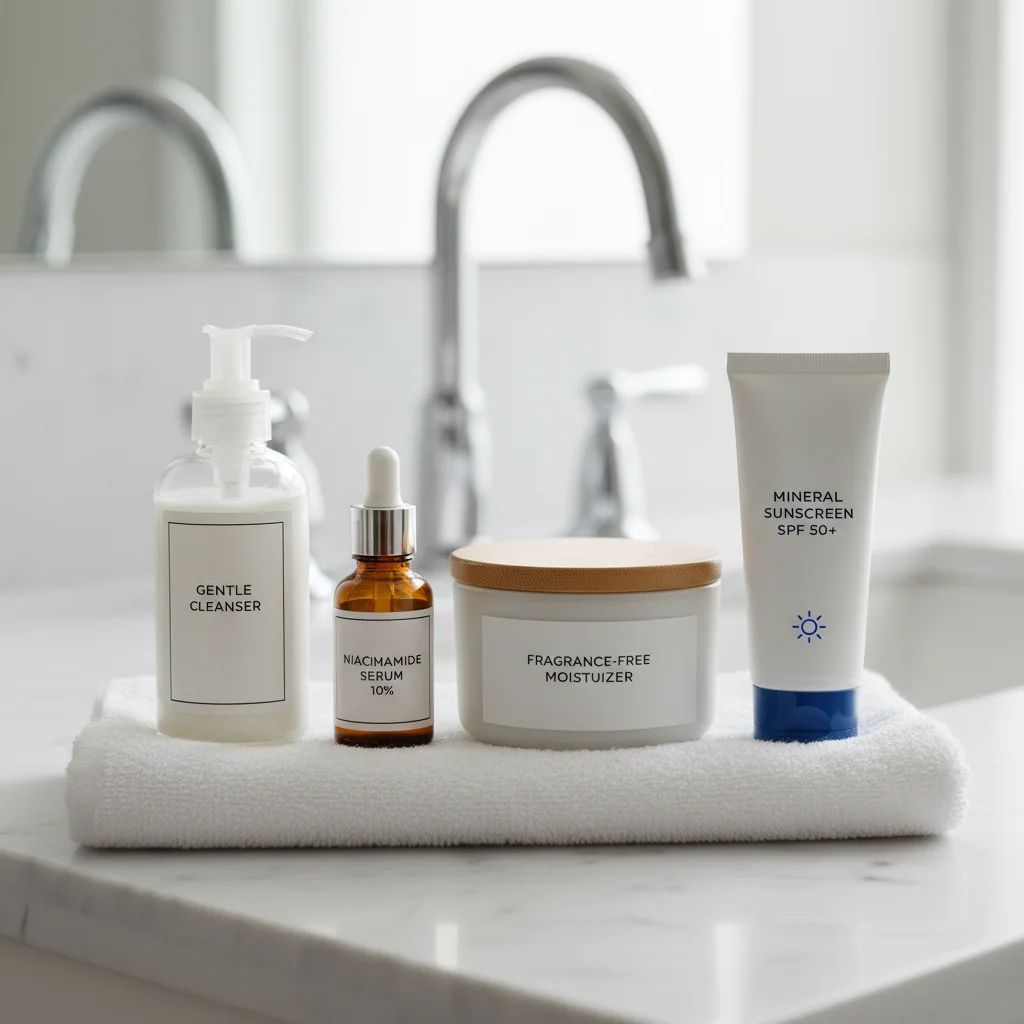
A Sample Gentle At-Home Care Routine
If you and your dermatologist decide on a gentle at-home approach, consistency and patience are key. Here is a basic, cautious routine:
- Gentle Cleansing: Use a mild, pH-balanced cleanser to wash the area.
- Exfoliation (1-2 times per week): Use a gentle chemical exfoliant with lactic acid or a soft washcloth to remove dead skin cells. Avoid harsh scrubs.
- Application of Treatment Product: Apply a small amount of a dermatologist-recommended serum or cream containing a safe active ingredient like alpha arbutin or niacinamide.
- Moisturizing: Hydrate the area with a fragrance-free, hypoallergenic moisturizer to maintain the skin barrier.
- Sun Protection: This is critical. Even though the area is often covered, any exposure can reverse results. Use a physical sunscreen (with zinc oxide or titanium dioxide) if needed.
Frequently Asked Questions (FAQs) – Butt Bleaching
1. What is butt bleaching?
Butt bleaching is a cosmetic treatment used to lighten the skin around the anal area for a more even skin tone.
2. Why do people choose butt bleaching?
Some people choose it for personal grooming, cosmetic appearance, confidence, or to reduce the look of dark pigmentation.
3. Is butt bleaching safe?
It can be safe when done properly with suitable products or by trained professionals. Poor-quality products may cause irritation.
4. What causes dark skin in that area?
Darkening can happen due to friction, hormones, genetics, shaving, sweating, or natural pigmentation.
5. How is butt bleaching done?
It may be done with topical creams, chemical peels, laser treatments, or professional cosmetic procedures.
6. Can I do butt bleaching at home?
There are home-use products, but sensitive skin requires caution. Patch testing and following instructions are important.
7. How long does butt bleaching take?
Results vary. Some creams may take weeks, while professional treatments may show faster results after multiple sessions.
8. Is butt bleaching permanent?
No, results are usually not permanent. Pigmentation can return over time depending on skin type and lifestyle factors.
9. Does butt bleaching hurt?
Creams usually cause little to no pain, though some may sting. Professional treatments may cause mild discomfort.
10. Are there side effects?
Possible side effects include redness, irritation, burning, dryness, or sensitivity if products are too strong.
11. Can men do butt bleaching?
Yes, butt bleaching is a cosmetic option for both men and women.
12. What ingredients are used in lightening products?
Products may contain exfoliating acids, brightening agents, soothing ingredients, or moisturizing components.
13. How do I care for skin after treatment?
Keep the area clean, moisturized, avoid friction, and follow aftercare advice from the product or provider.
14. Who should avoid butt bleaching?
People with broken skin, infections, severe sensitivity, or certain skin conditions should consult a doctor first.
15. How do I choose a safe butt bleaching product?
Choose reputable brands, gentle formulas, clear ingredient lists, and products designed for sensitive areas.
The Bottom Line on Skin Lightening
Butt bleaching is a personal cosmetic choice that requires thorough research and professional guidance. The safest route always involves consultation with a skincare expert. Additionally, embracing your natural skin is a perfectly valid and beautiful choice.
The goal of any skincare, including for intimate areas, should be health and confidence, not conformity to a fleeting standard.
If you are exploring other personal health and wellness topics, you may be interested in learning about natural supplements, such as in our Emperor’s Vigor Tonic review, which examines another popular wellness product.

