
Leg Press Alternatives for Legs & Glutes
Powerful Leg Press Alternatives for a Complete Lower Body Workout
The leg press machine is a cornerstone of lower body training, renowned for its ability to build serious quadriceps, glute, and hamstring strength with heavy loads. However, what do you do when you don’t have access to a leg press, or you simply want to diversify your routine to prevent plateaus and imbalances?
Fortunately, there are numerous highly effective leg press alternatives that can deliver comparable, if not superior, results. This guide will explore the best exercises to replace the leg press, detailing their unique benefits and how to integrate them into your regimen for powerful, well-rounded leg development.
Why Seek Leg Press Alternatives?
Firstly, understanding the primary role of the leg press helps in selecting suitable substitutes. The machine primarily targets the quadriceps, with significant secondary engagement of the glutes and hamstrings. It’s a stable, guided movement that allows for heavy loading with minimal core stabilization. Consequently, seeking alternatives is wise for several reasons:
- Limited Equipment Access: You may be working out at home or in a gym without a leg press machine.
- Addressing Muscle Imbalances: Free-weight alternatives often require more stabilizer muscle engagement, promoting better functional strength and joint health.
- Overcoming Plateaus: Introducing new movement patterns can shock your muscles into new growth.
- Injury Prevention or Rehabilitation: Some individuals find the fixed path of a leg press aggravates knee or hip issues; alternatives can offer more natural movement patterns.
Moreover, diversifying your training is a key principle of long-term progress. By incorporating a variety of movements, you ensure all muscle fibers are challenged and reduce the risk of overuse injuries.
Top Leg Press Alternative Exercises
The following table outlines premier exercises that effectively mimic or surpass the benefits of the leg press. Each targets the major lower body musculature through slightly different mechanics.
| Exercise | Primary Muscles Worked | Equipment Needed | Key Benefit as an Alternative |
|---|---|---|---|
| Barbell Back Squat | Quads, Glutes, Hamstrings, Core | Barbell, Rack | The “king” of lower body lifts; builds maximal strength & stability. |
| Goblet Squat | Quads, Glutes, Core | Dumbbell or Kettlebell | Excellent for learning proper squat form; deep range of motion. |
| Bulgarian Split Squat | Quads, Glutes (per side) | Dumbbells, Bench | Unilateral exercise that corrects imbalances and improves stability. |
| Hack Squat | Quads, Glutes | Hack Squat Machine or Barbell | Directly mimics leg press angle, emphasizing quads with spinal support. |
| Leg Extension | Quadriceps (Isolation) | Machine or Resistance Band | Isolates the quads completely, perfect for pre-exhaustion or rehab. |
| Step-Ups | Quads, Glutes, Hamstrings | Bench, Dumbbells | Functional, unilateral movement that builds power and coordination. |
Detailed Exercise Breakdown & Form Tips
1. Barbell Back Squats
This compound movement is arguably the most comprehensive leg developer. It not only works the entire lower body but also engages the core and back intensely. To perform it safely, ensure the bar rests across your upper back (not your neck), keep your chest up and back straight as you descend to at least parallel, and drive through your heels to stand. Because it requires significant stabilization, it builds functional strength that far exceeds the leg press.
2. Bulgarian Split Squats
If you seek an alternative that highlights unilateral strength, this is a premier choice. By placing one foot behind you on a bench, you force the front leg to bear the majority of the load. This movement is exceptional for identifying and correcting strength discrepancies between legs. Additionally, it greatly improves balance and hip stability. Focus on keeping your torso upright and lowering your back knee toward the floor.
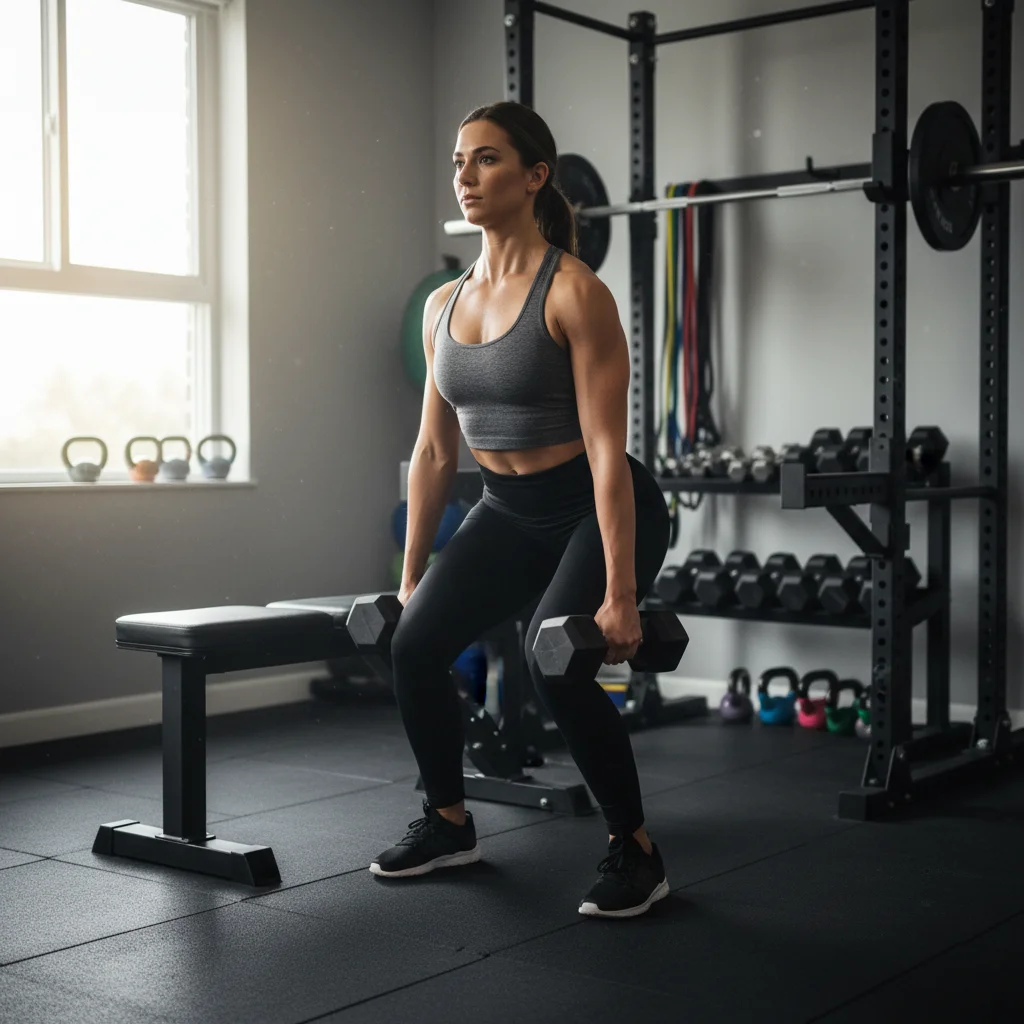
3. Hack Squats
For those who miss the guided, quad-focused movement of the leg press, the hack squat machine is a fantastic alternative. It places your body in a similar angled position, allowing for heavy loads while supporting the spine. If you lack access to the machine, a barbell hack squat (holding the bar behind your legs) is a challenging free-weight variation. This exercise places tremendous emphasis on the quadriceps through a full range of motion.
Building Your Alternative Leg Day Routine
Transitioning from a leg press-centric workout requires a strategic approach. Here is a sample lower body workout utilizing these powerful alternatives:
- Barbell Back Squats: 4 sets of 6-8 reps (Heavy, compound focus)
- Bulgarian Split Squats: 3 sets of 8-10 reps per leg (Unilateral, stability)
- Romanian Deadlifts: 3 sets of 10-12 reps (Target hamstrings and glutes)
- Leg Extensions: 3 sets of 12-15 reps (Quad isolation for a finishing pump)
Furthermore, remember that nutrition and recovery are just as crucial as the workout itself. Supporting your muscle growth with adequate protein and nutrients is essential. For instance, ensuring you get enough antioxidants for prostate health and other vital compounds supports overall wellness, which is foundational to athletic performance. Similarly, if joint discomfort arises from new movements, exploring supplements designed for joint support, like those discussed in our review of Joint Genesis, may be beneficial as part of a holistic health strategy.
Safety and Progression Considerations
When integrating new exercises, always prioritize form over weight. Start with lighter loads to master the movement pattern, particularly for complex lifts like squats. Consistently listen to your body; sharp pain is a warning sign, while muscular fatigue is the goal.
Therefore, progressively overload your muscles over time by gradually increasing weight, reps, or sets. This principle of progressive overload is what drives adaptation and strength gains, regardless of the specific exercises you choose.
Conclusion: Embrace the Variety
Ultimately, while the leg press is an effective tool, it is not indispensable. The alternatives presented here—from foundational barbell squats to targeted split squats—offer a pathway to building stronger, more resilient, and better-balanced legs. By incorporating these movements, you not only overcome equipment limitations but also unlock new potential for growth and functional fitness. Start by selecting one or two alternatives to integrate into your next leg day, and experience the benefits of a more versatile training approach.
Disclaimer: This article is for informational purposes only and is not a substitute for professional medical or fitness advice. Always consult with a healthcare provider or certified trainer before beginning any new exercise program, especially if you have pre-existing health conditions.

