
Calendula Oil Benefits & DIY Recipe
The Complete Guide to Calendula Oil: Nature’s Soothing Elixir
For centuries, healers and herbalists have turned to the vibrant marigold-like flowers of the calendula plant for their remarkable restorative properties. When these blossoms are infused into a carrier oil, they create a potent, golden-hued remedy known as calendula oil. This natural elixir is celebrated for its ability to soothe, heal, and protect the skin. Consequently, it has earned a permanent place in modern holistic medicine cabinets and skincare routines. If you’re seeking a gentle yet effective natural solution for common skin concerns, understanding calendula oil is an excellent first step.
What is Calendula Oil?
Calendula oil is not an essential oil, but rather an infused oil or maceration. It is created by steeping the petals of Calendula officinalis (pot marigold) in a carrier oil, such as olive, sunflower, or jojoba oil. This process allows the fat-soluble therapeutic compounds within the petals to transfer into the oil. The result is a product that harnesses the plant’s benefits in a mild, skin-friendly form that can be applied directly or used as a base for salves and creams.
Historically, calendula has been used across various cultures to treat wounds, reduce inflammation, and alleviate skin irritations. Modern research is beginning to validate these traditional uses, pointing to the flower’s rich content of flavonoids, triterpenoids, and carotenoids as the source of its power.
Key Benefits and Uses of Calendula Oil
Calendula oil offers a multitude of benefits, primarily due to its anti-inflammatory, antimicrobial, and wound-healing properties. Here is a detailed look at its most celebrated uses:
| Benefit | Primary Use | How It Works |
|---|---|---|
| Soothes Inflammation | Eczema, dermatitis, rashes | Compounds like faradiol reduce redness and swelling by calming the skin’s immune response. |
| Promotes Wound Healing | Cuts, scrapes, minor burns | Stimulates collagen production and increases blood flow to the area, accelerating tissue repair. |
| Moisturizes & Protects | Dry, chapped skin | Forms a protective barrier that locks in moisture while allowing the skin to breathe. |
| Fights Skin Infections | Minor bacterial/fungal issues | Exhibits mild antimicrobial properties that can help prevent infection in small wounds. |
| Calms Diaper Rash | Infant skin care | Gently soothes irritation and creates a protective layer against moisture. |
| Reduces Scar Appearance | Post-surgical scars, acne marks | Supports healthy skin regeneration, which can improve skin texture and tone over time. |
For Skin Health and Healing
Firstly, calendula oil is a champion for compromised skin. Its anti-inflammatory action makes it ideal for calming conditions like eczema and psoriasis flare-ups. Moreover, for those dealing with acne, its gentle antimicrobial nature can help manage bacteria without overdrying the skin, unlike many harsh chemical treatments. If you struggle with persistent skin issues, exploring natural allies like calendula can be a valuable part of your regimen, much like understanding the nutritional value of graham crackers is key to dietary choices.
As a Natural First-Aid Remedy
Every household needs a reliable first-aid staple. Calendula oil fits this role perfectly. When applied to minor cuts, scrapes, or burns, it not only helps cleanse the area but also actively encourages faster healing. Therefore, keeping a bottle in your medicine cabinet can reduce reliance on synthetic antiseptics for everyday mishaps.
How to Use Calendula Oil Safely and Effectively
Using calendula oil is straightforward, but a few guidelines will ensure you get the best results.
- Patch Test First: Always perform a patch test on a small area of skin (like the inner forearm) and wait 24 hours to check for any adverse reaction.
- Direct Application: For targeted areas like cuts, rashes, or dry patches, apply a few drops directly to the clean, affected skin and massage gently.
- As a Moisturizer: After cleansing, massage a thin layer of oil onto your face or body. It absorbs relatively well for an oil, leaving skin soft without a heavy greasy feel.
- In DIY Recipes: Use calendula oil as the base for homemade balms, salves, or lotions. Combine it with beeswax and a drop of lavender essential oil for a healing skin salve.
A Note on Safety: Calendula oil is generally considered safe for topical use. However, individuals with known allergies to plants in the Asteraceae/Compositae family (like ragweed, chrysanthemums, or daisies) should use it with caution or avoid it. Additionally, it is not recommended for use on deep or severe wounds without consulting a healthcare professional. For more information on managing health symptoms naturally, you can read about common ailments like the symptoms of strep throat to know when to seek medical care.
DIY Calendula Oil: A Simple Recipe
Making your own infused oil is a rewarding and cost-effective process. Here’s a simple method using the solar infusion technique.
You will need:
* 1/2 cup of dried, organic calendula petals
* 1 cup of carrier oil (organic olive oil or sunflower oil work well)
* A clean, dry glass jar with a tight-fitting lid
* A cheesecloth or fine mesh strainer
* A dark glass bottle for storage
Instructions:
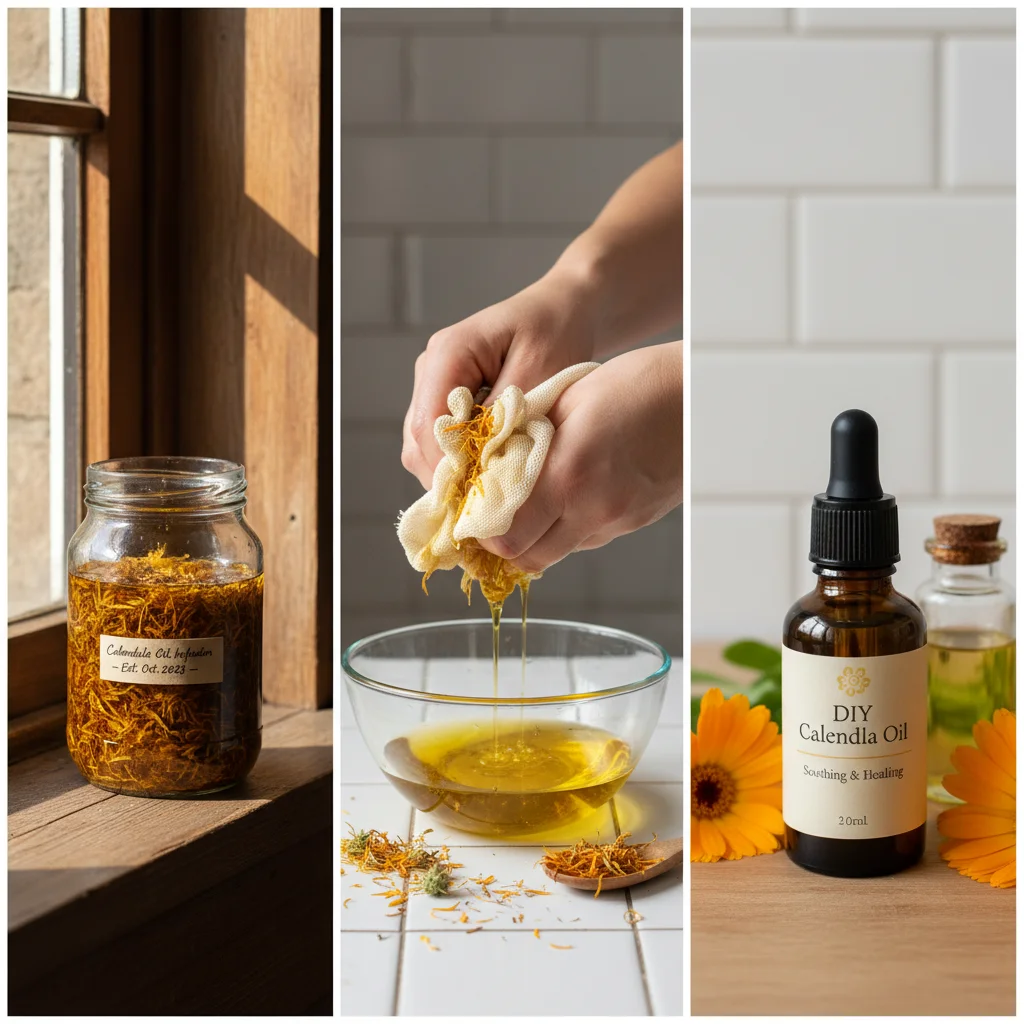
1. Fill: Place the dried calendula petals in the glass jar. Pour the carrier oil over them, ensuring all petals are fully submerged.
2. Infuse: Seal the jar tightly and place it in a warm, sunny windowsill for 4-6 weeks. Gently shake the jar every few days.
3. Strain: After the infusion period, strain the oil through cheesecloth into a bowl, squeezing out all the oil from the petals.
4. Store: Transfer the finished calendula oil into a dark glass bottle. Label it and store it in a cool, dark place. It should last for up to one year.
Conclusion: Embracing a Natural Skincare Ally
In summary, calendula oil stands out as a versatile, gentle, and profoundly effective natural remedy. Its historical pedigree is robustly supported by its practical, soothing benefits for skin inflammation, irritation, and minor wounds. Whether you purchase a high-quality product or embark on the simple journey of making your own, incorporating this golden oil into your skincare or first-aid routine is a step toward harnessing the power of botanicals. Therefore, for anyone seeking to nurture their skin with the wisdom of nature, calendula oil is undoubtedly a resource worth exploring.
For further reading on the chemical constituents and traditional uses of calendula, you can refer to this resource on Calendula officinalis.

