
Cassia Cinnamon Benefits & Uses
Cassia Ground Cinnamon: The Spice in Your Pantry Explained
That warm, fragrant jar of ground cinnamon in your kitchen cupboard is most likely cassia ground cinnamon. It’s the most common and affordable type of cinnamon found in supermarkets worldwide. While it’s a beloved staple for baking and cooking, understanding its unique properties, health implications, and how it differs from other varieties is crucial for informed use.
What is Cassia Ground Cinnamon?
Cassia cinnamon, scientifically known as Cinnamomum cassia, originates primarily from China and other parts of Southeast Asia. When the bark is harvested, dried, and ground, it becomes the coarse, reddish-brown powder we recognize. Its flavor profile is distinctly strong, spicy, and slightly bittersweet, making it a robust addition to both sweet and savory dishes. Consequently, it has become the default “cinnamon” for many commercial food products and recipes.
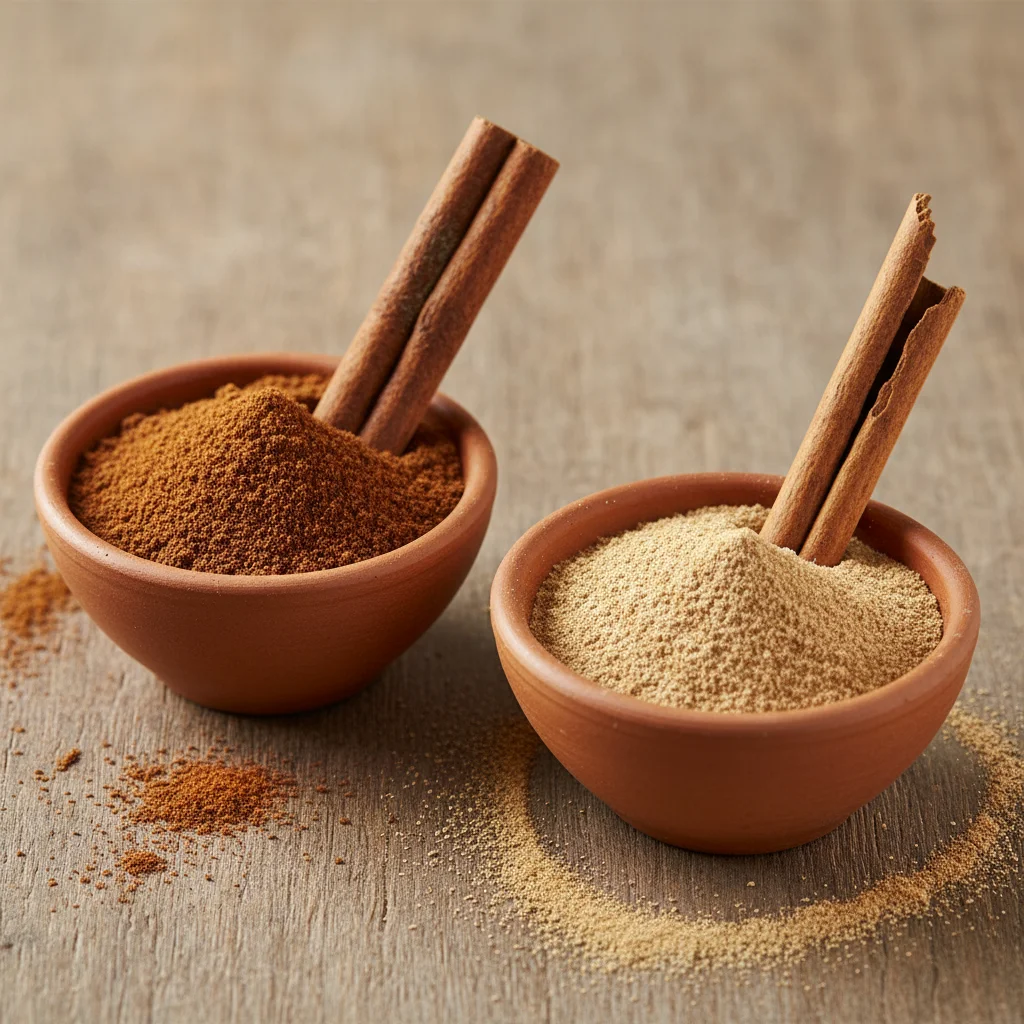
Cassia vs. Ceylon Cinnamon: The Critical Difference
It’s essential to know that not all cinnamon is created equal. The two main types are Cassia and Ceylon (“true” cinnamon). Here’s a quick comparison:
| Feature | Cassia Cinnamon | Ceylon Cinnamon |
|---|---|---|
| Scientific Name | Cinnamomum cassia | Cinnamomum verum |
| Origin | China, Indonesia, Vietnam | Sri Lanka, Southern India |
| Bark Structure | Single, thick layer of bark | Multiple, thin layers of bark |
| Flavor & Aroma | Strong, pungent, spicy | Mild, sweet, complex |
| Common Use | Everyday cooking, baking | Specialty dishes, desserts |
| Cost | Generally inexpensive | More expensive |
| Coumarin Content | High | Very Low |
The most significant distinction, from a health perspective, is the coumarin content. Cassia cinnamon contains notably higher levels of this natural compound. While coumarin has a pleasant, vanilla-like scent, excessive consumption over time can cause liver damage in sensitive individuals. Therefore, moderation is key when using cassia cinnamon regularly.
Health Benefits and Nutritional Profile of Cassia Cinnamon
Cassia cinnamon is celebrated not just for its flavor but also for its potential health-promoting properties, largely due to its powerful antioxidants and anti-inflammatory compounds.
- Antioxidant Powerhouse: It is loaded with polyphenols, which help protect your body from oxidative damage caused by free radicals. In fact, cinnamon has been shown to have one of the highest antioxidant activities of any spice.
- Anti-Inflammatory Effects: The compounds in cinnamon may help reduce inflammation, which is a root cause of many chronic diseases.
- Blood Sugar Support: Several studies suggest that cassia cinnamon can improve insulin sensitivity and help lower blood sugar levels after meals. This is why it’s often a topic of interest in guides about managing blood sugar levels.
- Heart Health: Some research indicates it may reduce levels of total cholesterol, LDL (“bad”) cholesterol, and triglycerides, while keeping HDL (“good”) cholesterol stable.
Moreover, it contains small amounts of vital minerals like manganese, calcium, and iron.
Culinary Uses and How to Cook with It
Cassia ground cinnamon’s bold flavor makes it incredibly versatile. Here are its primary culinary applications:
- Baking: The quintessential spice for cinnamon rolls, apple pies, snickerdoodle cookies, and coffee cakes.
- Breakfasts: A classic sprinkle on oatmeal, yogurt, or toast.
- Beverages: Essential for chai tea, Mexican hot chocolate, and mulled wine.
- Savory Dishes: A key component in many spice blends for curries, stews, and Moroccan tagines.
- Fruit Dishes: Pairs perfectly with baked apples, poached pears, and fruit compotes.
Important Safety and Consumption Guidelines
Because of its high coumarin content, it’s wise to follow these guidelines:
- Practice Moderation: The European Food Safety Authority sets a tolerable daily intake (TDI) for coumarin. For an average adult, this translates to roughly about 1 teaspoon (2-3 grams) of cassia ground cinnamon per day as a maximum regular intake.
- Choose Ceylon for Therapeutic Doses: If you are considering taking cinnamon supplements or large daily amounts for health reasons (e.g., for blood sugar support), opt for Ceylon cinnamon supplements, which are low in coumarin. Always consult with a healthcare provider first.
- Special Precautions: Individuals with existing liver conditions, those on blood-thinning medications, or pregnant women should be particularly cautious and consult a doctor.
Frequently Asked Questions (FAQs)
Is the cinnamon I buy at the store cassia?
Yes, most likely. In many countries, especially the United States, if the label simply says “cinnamon,” it is almost always cassia.
Can I use cassia and Ceylon cinnamon interchangeably in recipes?
You can, but expect a flavor difference. Cassia is much stronger. If substituting Ceylon for cassia, you may need to use a larger quantity to achieve a similar spice note.
Are there other health-focused spices I should know about?
Absolutely. The world of functional spices and herbs is vast. For instance, berberine is another compound studied for metabolic health, which you can explore in our Purisaki Berberine review. Additionally, for overall wellness, understanding the role of antioxidants for prostate health can be beneficial.
The Bottom Line
Cassia ground cinnamon is a flavorful, affordable, and potentially beneficial spice that holds a well-earned place in global kitchens. Its strong taste defines countless classic dishes. However, being informed about its high coumarin content is essential for safe consumption. Enjoy it generously in your cooking and baking, but if you plan to consume it in large, daily supplemental amounts, consider switching to Ceylon cinnamon. By understanding these nuances, you can fully savor this wonderful spice while prioritizing your long-term health.

