
Cress Seeds: Benefits & How to Grow
Cress Seeds: The Tiny Powerhouses of Nutrition and Health
Often overlooked in favor of their leafy greens, cress seeds are the origin point of a nutritional powerhouse. These minuscule seeds, from plants like garden cress, watercress, and mustard cress, pack a concentrated dose of vitamins, minerals, and bioactive compounds. Consequently, incorporating them into your diet can be a simple yet profoundly effective step toward better health. This guide will explore everything you need to know about cress seeds, from their impressive nutritional profile to practical tips for growing and using them.
What Are Cress Seeds?
Cress seeds are the small, round seeds of various cress plants, which belong to the Brassicaceae family—the same family as broccoli, kale, and mustard. The most common types include:
* Garden Cress Seeds (Lepidium sativum): Often called “halim” or “aliv,” these are widely used in Indian and Middle Eastern cuisines.
* Watercress Seeds (Nasturtium officinale): Used to grow the peppery leafy green known as watercress.
* Mustard Cress Seeds: Typically a blend of mustard and cress, grown together for a spicy kick.
Historically, these seeds have been valued in traditional medicine systems like Ayurveda for centuries, primarily for their warming properties and purported benefits for digestion and respiratory health.
Nutritional Profile of Cress Seeds
Despite their tiny size, cress seeds are densely packed with essential nutrients. They are an excellent source of plant-based protein, fiber, and healthy fats. Moreover, they are rich in vital minerals and contain a unique array of phytochemicals.
Here is a breakdown of the key nutrients found in a typical tablespoon (about 10 grams) of garden cress seeds:
| Nutrient | Amount (Approx.) | % Daily Value (DV) Impact |
|---|---|---|
| Calories | 32 kcal | – |
| Protein | 2.6 g | 5% |
| Dietary Fiber | 1.1 g | 4% |
| Total Fat | 0.7 g | 1% |
| Iron | 1.3 mg | 7% |
| Calcium | 40 mg | 3% |
| Magnesium | 10 mg | 2% |
| Vitamin C | 5 mg | 6% |
| Folate (B9) | 24 mcg | 6% |
| Phytochemicals | Glucosinolates, Phenolics | – |
Data sourced from agricultural food composition databases.
Top Health Benefits of Cress Seeds
The concentrated nutrition in cress seeds translates into several evidence-backed health benefits.
1. Rich in Antioxidants and Anti-Inflammatory Compounds
Cress seeds are loaded with antioxidants, such as phenolic compounds and glucosinolates. These substances help combat oxidative stress by neutralizing free radicals in the body. Therefore, regular consumption may help reduce chronic inflammation, which is a root cause of many diseases. For more on how antioxidants support specific areas of health, explore our guide on antioxidants for prostate health.
2. May Support Digestive Health
The dietary fiber in cress seeds adds bulk to stool and can promote regular bowel movements, aiding in digestion and preventing constipation. Additionally, some traditional practices use the seeds for their potential carminative (gas-relieving) properties.
3. A Source of Essential Minerals
Firstly, they are a notable plant-based source of iron, which is crucial for forming red blood cells and preventing anemia. Secondly, the calcium and magnesium content contributes to bone health and proper muscle function.
4. Potential Metabolic and Blood Sugar Support
Emerging research suggests that compounds in cress may influence metabolism. Some animal studies indicate a potential for helping regulate blood sugar levels, though more human research is needed. For a comprehensive understanding of glucose management, you can read our blood sugar levels guide.
How to Grow Cress Seeds at Home (Microgreens/Sprouts)
One of the simplest ways to enjoy cress seeds is by sprouting them into microgreens. This process amplifies their nutrient content and provides a fresh, peppery garnish.
What You’ll Need:
* Cress seeds
* A shallow tray or container
* Potting soil or paper towels
* Water spray bottle
Step-by-Step Guide:
1. Prepare the Tray: Fill your tray with a thin layer of moist potting soil or several layers of damp paper towels.
2. Sow the Seeds: Sprinkle the cress seeds evenly and densely over the surface. Press them down gently; there’s no need to cover them with soil.
3. Water and Cover: Mist the seeds thoroughly with water. Cover the tray with a clear lid or plastic wrap to retain humidity.
4. Germinate: Place the tray in a warm, dark spot for 1-2 days until germination occurs.
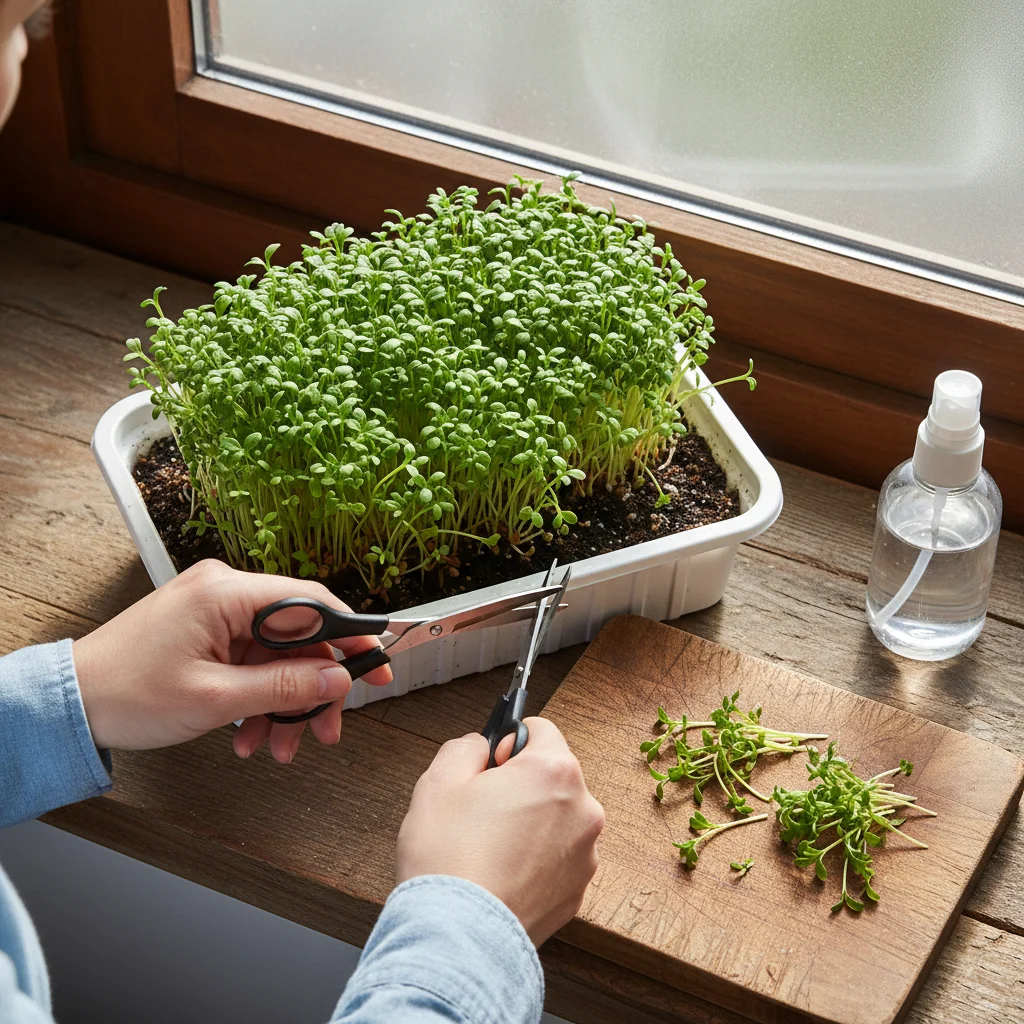
5. Uncover and Grow: Once sprouted, remove the cover and move the tray to a well-lit windowsill (indirect light is best). Mist daily to keep the growing medium moist.
6. Harvest: In 7-14 days, when the greens are about 2-3 inches tall, use scissors to snip them just above the soil line. Rinse and enjoy immediately!
How to Use Cress Seeds in Your Diet
You can consume cress seeds in multiple forms, each offering unique advantages.
- Sprouted/Microgreens: Add to salads, sandwiches, soups, and smoothies for a fresh, spicy crunch.
- Whole Seeds: Dry roast and grind them to use as a spice blend or seasoning. They can also be soaked and added to doughs for bread or parathas.
- Cress Seed Paste: Soak seeds overnight, then blend into a paste. This can be mixed into dips, spreads, or salad dressings.
- Infused Water: Soak a teaspoon of seeds in a glass of water overnight. Strain and drink the water in the morning, a traditional practice believed to aid digestion.
A Word of Caution: While generally safe, cress seeds are very fibrous. It is advisable to start with small amounts (e.g., 1 teaspoon daily) and drink plenty of water to avoid digestive discomfort. Pregnant women should consult a doctor before consuming medicinal amounts, as some sources note potential uterine-stimulating effects.
Conclusion: A Seed Worth Sowing
In summary, cress seeds are a testament to the idea that great things often come in small packages. They offer a compelling mix of antioxidants, minerals, and fiber that can complement a healthy diet. Because they are incredibly easy and fast to grow at home, they provide a reliable source of fresh nutrition year-round. Whether you sprinkle the microgreens on a salad or incorporate the ground seeds into your cooking, these tiny powerhouses are a simple, cost-effective way to boost your overall wellness.


One thought on “Cress Seeds: Benefits & How to Grow”
Comments are closed.