
Fun & Safe Craft Activities for 1 Year Olds | Sensory Play
Engaging Craft Activities for 1 Year Olds: A Guide to Sensory Play
Watching your one-year-old explore the world is a magical experience. At this age, their curiosity is boundless, and their little hands are eager to touch, grab, and create. Consequently, introducing simple craft activities is a wonderful way to nurture their burgeoning development. Moreover, these activities are less about creating a masterpiece and more about the process of sensory exploration and fine motor skill practice.
Firstly, safety is the absolute priority. All materials must be non-toxic, large enough to avoid choking hazards, and used under constant, direct supervision. With that in mind, let’s dive into some delightful and developmentally appropriate craft ideas.
Why Crafts Matter for Toddler Development
Before we explore specific activities, it’s helpful to understand the “why.” Engaging in simple crafts offers a multitude of benefits for a one-year-old. Primarily, it enhances fine motor skills as they practice grasping, pinching, and transferring objects.
Additionally, sensory play stimulates cognitive development by introducing new textures, colors, and cause-and-effect relationships. Furthermore, these shared activities can boost language skills as you narrate the process and strengthen your emotional bond.
Safe & Simple Craft Activity Ideas
Here are some highly engaging, low-mess (or embraceably messy!) craft activities perfectly suited for little explorers.
1. Sensory Bag Exploration
This is a fantastic no-mess starter craft that you, the adult, assemble for your child to investigate.
What You Need:
* A strong, sealable freezer bag
* Clear hair gel, baby oil, or water
* Various small, safe items (large sequins, pompoms, buttons securely sealed inside)
* Strong tape (to secure the bag closed)
Activity: Simply place the filler and items inside the bag, remove as much air as possible, and seal it tightly. Use tape to reinforce the seal and tape the edges to a highchair tray or the floor. Your toddler will love squishing the bag, pushing the items around, and observing the colors mix. This is a superb precursor to more hands-on messy crafts.
2. Taste-Safe Finger Painting
Traditional paints aren’t suitable for this oral stage. Therefore, create your own edible “paint”!
What You Need:
* Plain, full-fat yogurt or unsweetened applesauce
* Natural food colorings (like beet powder or spinach powder)
* A large sheet of paper or a highchair tray
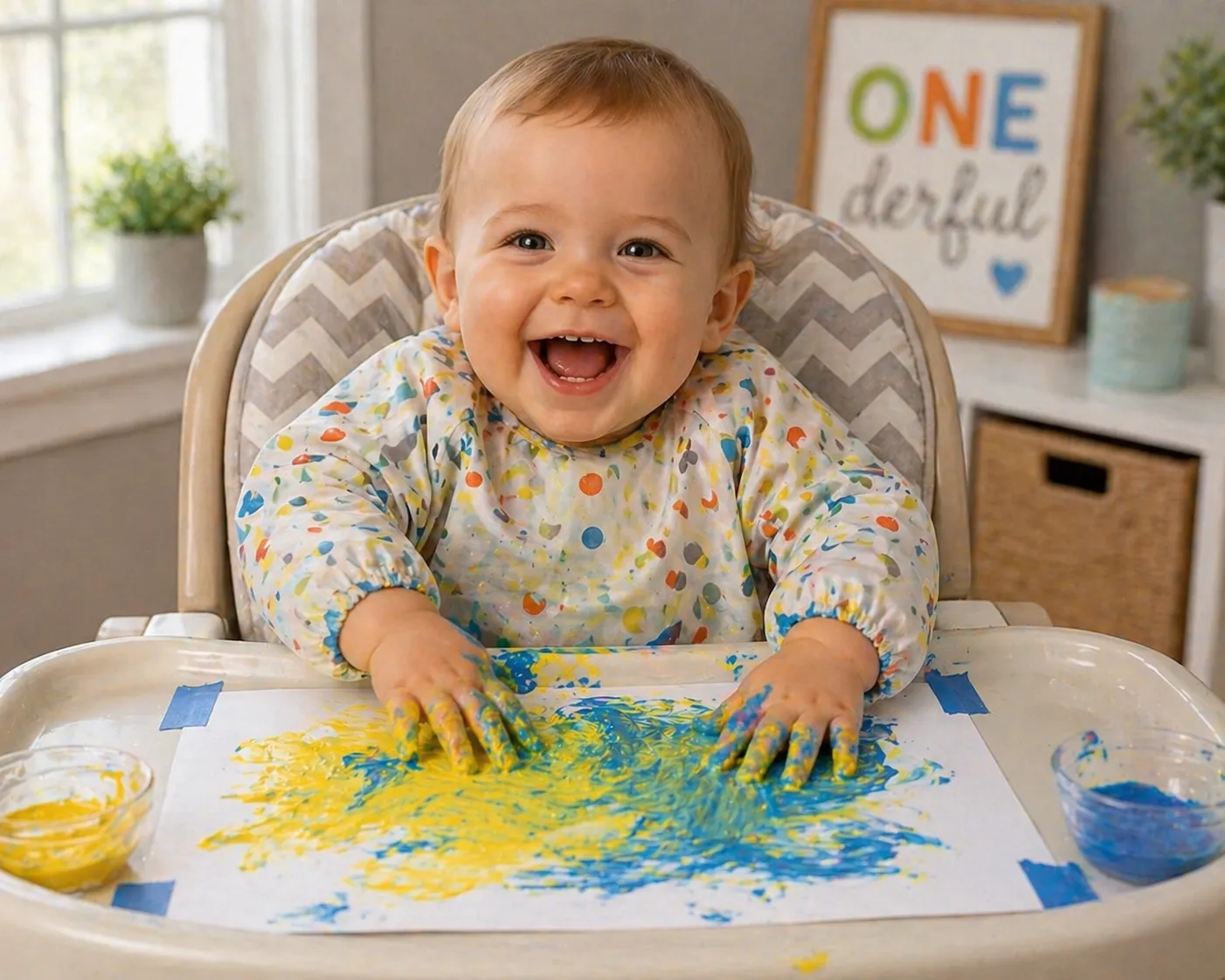
Activity: Mix a small amount of natural coloring into the yogurt or applesauce to create different hues. Let your child dip their hands and fingers and smear the “paint” onto the paper or directly on their tray. The focus is on the sensory experience of the cold, smooth texture and the freedom to make marks. Cleanup is easy, and it’s completely safe if they decide to have a taste. This do-it-yourself approach is similar to crafting your own safe materials, much like learning how to build a custom PC is about creating something tailored to your needs.
3. Contact Paper Sticking Station
This activity is excellent for understanding object permanence and developing hand-eye coordination.
What You Need:
* A sheet of clear contact paper
* Painter’s tape
* Lightweight, flat items (large feathers, fabric scraps, tissue paper pieces, leaves)
Activity: Tape the contact paper to a wall or window with the sticky side facing OUT. Provide your child with the assortment of items. They will delight in sticking them onto the paper, seeing them stay, and possibly pulling them off again. The sticky sensation is a novel and fascinating sensory input.
Developmental Goals & Activity Guide
To help you choose the right activity for your goals, refer to this quick-reference table.
| Craft Activity | Primary Skill Developed | Sensory Focus | Mess Level |
|---|---|---|---|
| Sensory Bag | Visual Tracking, Cause & Effect | Sight, Touch (Pressure) | No Mess |
| Taste-Safe Painting | Fine Motor, Creativity | Touch, Taste, Sight | Medium Mess |
| Contact Paper Art | Hand-Eye Coordination, Pincer Grasp | Touch, Sight | Low Mess |
| Pompom Drop (into a container) | Gross Motor, Aim | Sound, Sight | Low Mess |
| Water Play with Sponges | Hand Strength, Concentration | Touch, Sight | Contained Mess |
Pro Tips for Crafting Success
To ensure a positive experience for both you and your toddler, keep these tips in mind. Firstly, keep sessions short—5 to 10 minutes is often plenty. Secondly, model the activity first by showing them how to touch the material or drop a pompom. Additionally, embrace the mess!
Put down a washable mat, use a smock, and focus on the fun. Most importantly, follow your child’s lead. If they just want to squeeze the sponge instead of painting with it, that’s perfectly fine. The process is the goal.
Finally, remember that their needs extend beyond play. Just as you curate safe activities, you might also research safe products for their well-being, such as finding the best tea for sore throat for yourself when you’re under the weather, or understanding the nuances between similar items like Ceylon cinnamon versus cassia.
Crafting with your one-year-old is about opening a door to discovery. By providing simple, safe materials, you’re not just filling time—you’re actively supporting their growth and creating cherished moments of connection. So, gather a few basic supplies, follow their curiosity, and enjoy the wonderful, messy world of toddler creativity.