
Craft Show Displays: Expert Setup Tips
Craft Show Displays: Your Ultimate Guide to a Profitable Booth
A successful craft show hinges on more than just beautiful products; it requires a captivating display that draws customers in and encourages sales. Consequently, a well-designed booth acts as your silent salesperson, communicating your brand’s quality and creativity before you even say a word.
This guide will provide you with expert strategies to transform your craft show displays from simple tables into compelling retail experiences.
Why Your Craft Show Display is Critical for Success
Firstly, consider the environment of a typical craft fair. Dozens, if not hundreds, of vendors are vying for attention. Your display is the primary tool you have to stand out in this crowded marketplace. A thoughtful setup does more than just present your items; it tells a story, builds perceived value, and creates an inviting atmosphere that shoppers want to enter.
Moreover, a professional-looking booth instills confidence in potential buyers, making them more likely to purchase.
Essential Elements of a Winning Display
1. Layout and Flow: Guide the Customer Journey
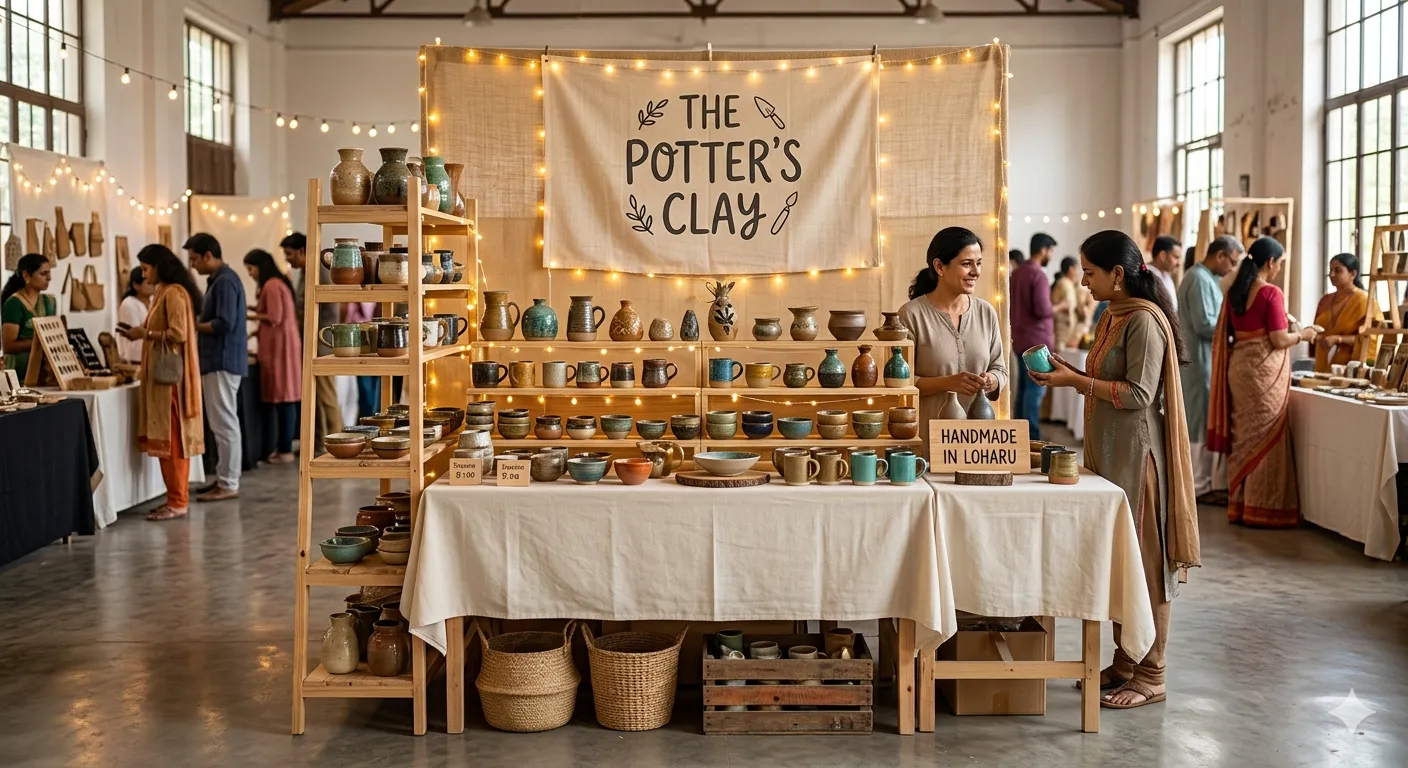
Your booth’s layout should intuitively guide customers through your products. Start with a clear, welcoming entrance. Use tiered shelving and risers to create visual height and ensure all items are visible at a glance. Avoid clutter at all costs; instead, employ strategic negative space to let each piece shine. For example, grouping similar items together can create a stronger visual impact than scattering them.
2. Lighting: The Secret Weapon
Poor lighting is one of the most common mistakes in craft show displays. Harsh overhead hall lighting can cast unflattering shadows. Therefore, invest in your own lighting solutions. LED strip lights or small battery-operated spotlights can dramatically highlight your work, add warmth, and make colors pop, especially in dim indoor venues.
3. Professional Signage and Branding
Your signage is your first introduction. A clear, attractive banner with your business name and logo is non-negotiable. Additionally, consider smaller signs that explain your process, materials, or inspiration. This not only informs but also engages customers, giving them a reason to linger. For instance, if you use unique materials like organic flaxseed in your creations, a small sign can tell that sustainable story.
4. Engaging Interactive Elements
Give people a reason to stop and interact. This could be a small demonstration, a “touch this” sample, or a beautifully styled photo backdrop. Interaction increases dwell time, which directly correlates with higher sales probability.
Budget-Friendly & DIY Display Ideas
You don’t need a massive budget to create an effective display. Creativity is your greatest asset.
- Repurpose and Upcycle: Use painted crates, vintage suitcases, or branches as unique risers.
- Fabric is Your Friend: A high-quality tablecloth (floor-length to hide storage) instantly elevates your look. Choose colors that complement your products.
- Natural Elements: Incorporate wood, stone, or plants to add texture and warmth.
- Themed Consistency: If your crafts are nature-inspired, carry that theme through your display materials. For those creating items for kids, like a jellyfish craft preschool project, a bright, playful booth theme would be perfectly aligned.
Pro Tips for Craft Show Execution
Prioritize Durability and Transport: Your display must be lightweight, easy to assemble, and sturdy. Practice your setup at home to minimize stress on show day.
Have a Clear Checkout Area: Designate a tidy space for transactions, with a cash box, card reader, and bags ready to go. A smooth checkout experience is the final, positive impression.
Adapt and Observe: Be prepared to tweak your layout during the show. If certain items aren’t getting attention, move them. Furthermore, observe customer behavior—where do they stop? What do they touch first?
Common Display Mistakes to Avoid
- The Overstuffed Table: Cramming every item onto a single plane overwhelms customers. Remember, less is often more.
- Ignoring Your Backdrop: The walls or curtains behind you are part of your display. Use a fabric drape or a simple grid panel to define your space.
- Forgetting Practicalities: Always have essentials like tools, tape, and extra price tags hidden but accessible under your table.
- Neglecting Your Own Comfort: Bring a stool, water, and snacks. A comfortable, energized seller is a more engaging one.
Conclusion: Display as a Craft Itself
Ultimately, designing your craft show display is an extension of your creativity. It requires the same care and attention to detail as the products you make. By focusing on layout, lighting, branding, and engagement, you build a powerful platform for your work. Each event is a learning opportunity; take notes on what works and refine your approach for next time. With a standout display, you’re not just selling crafts—you’re providing a memorable retail experience that customers will want to return to.
For more creative inspiration, especially for seasonal projects, explore ideas for preschool crafts for fall.

