
Craft Tea Guide: Brew Artisanal Blends-Benefits & Tips
The Artisanal World of Craft Tea: A Guide to Flavor, Quality, and Ritual
Forget the dusty tea bag at the back of your cupboard. The world of tea is experiencing a renaissance, moving towards small-batch, thoughtfully sourced leaves known as craft tea. Much like the craft beer or specialty coffee movements, this approach celebrates terroir, artisanal blending, and meticulous preparation.
Consequently, it transforms a simple beverage into a complex sensory experience. If you’re curious about elevating your tea ritual, this guide will explore what defines craft tea, its potential benefits, and how to brew it to perfection.
What Exactly is Craft Tea? 🍃
At its core, craft tea is defined by intentionality and quality at every stage. It’s not a specific type of tea, but rather a philosophy of production. Firstly, it prioritizes high-quality, whole-leaf tea over broken leaves or “fannings” commonly found in mass-market tea bags. These whole leaves unfurl during brewing, releasing a fuller spectrum of flavors and aromas.
Moreover, craft tea often emphasizes transparent sourcing. You might know the specific garden, region, or even the harvest date of your leaves. This traceability is a hallmark of quality. Additionally, many craft tea producers engage in small-batch blending, creating unique flavor profiles by combining tea with herbs, flowers, spices, and fruits in innovative ways.
For those interested in specific tea types, exploring options like Lotus Blossom Tea can showcase this artisanal blending in action.
Craft Tea vs. Commercial Tea: A Quick Comparison
| Feature | Craft Tea | Commercial Tea (Typical Mass-Market) |
|---|---|---|
| Leaf Quality | Whole, unbroken leaves; visible buds & tips. | Broken leaves, dust, fannings. |
| Sourcing | Often single-origin; transparent supply chain. | Blended from multiple sources; less traceability. |
| Flavor Profile | Complex, nuanced, and layered. Can vary by harvest. | Consistent, but often simpler or more one-dimensional. |
| Packaging | Focus on freshness (resealable bags, tins). | Often paper bags with less focus on long-term freshness. |
| Primary Goal | Flavor experience, terroir, and artistry. | Consistency, shelf stability, and mass appeal. |
The Potential Benefits of Choosing Craft
Drinking craft tea isn’t just about taste; it can also be a more beneficial choice for your well-being. Because the leaves are whole and less processed, they may retain more of their natural antioxidants and polyphenols. These compounds are widely studied for their role in combating oxidative stress in the body.
Furthermore, the ritual of preparing craft tea—warming the pot, watching the leaves unfurl, savoring the aroma—promotes mindfulness. This simple act can be a powerful tool for reducing daily stress. Additionally, many artisanal blends are created with wellness in mind. For instance, a craft blend designed as a tea for digestion might feature high-quality ginger, peppermint, or fennel seeds, leveraging their natural properties in a more potent form.
It’s important to note that while the ingredients may be beneficial, you should consult reliable sources like the National Institutes of Health (NIH) for scientific research on specific herbs and compounds.
How to Brew Craft Tea: A Step-by-Step Guide
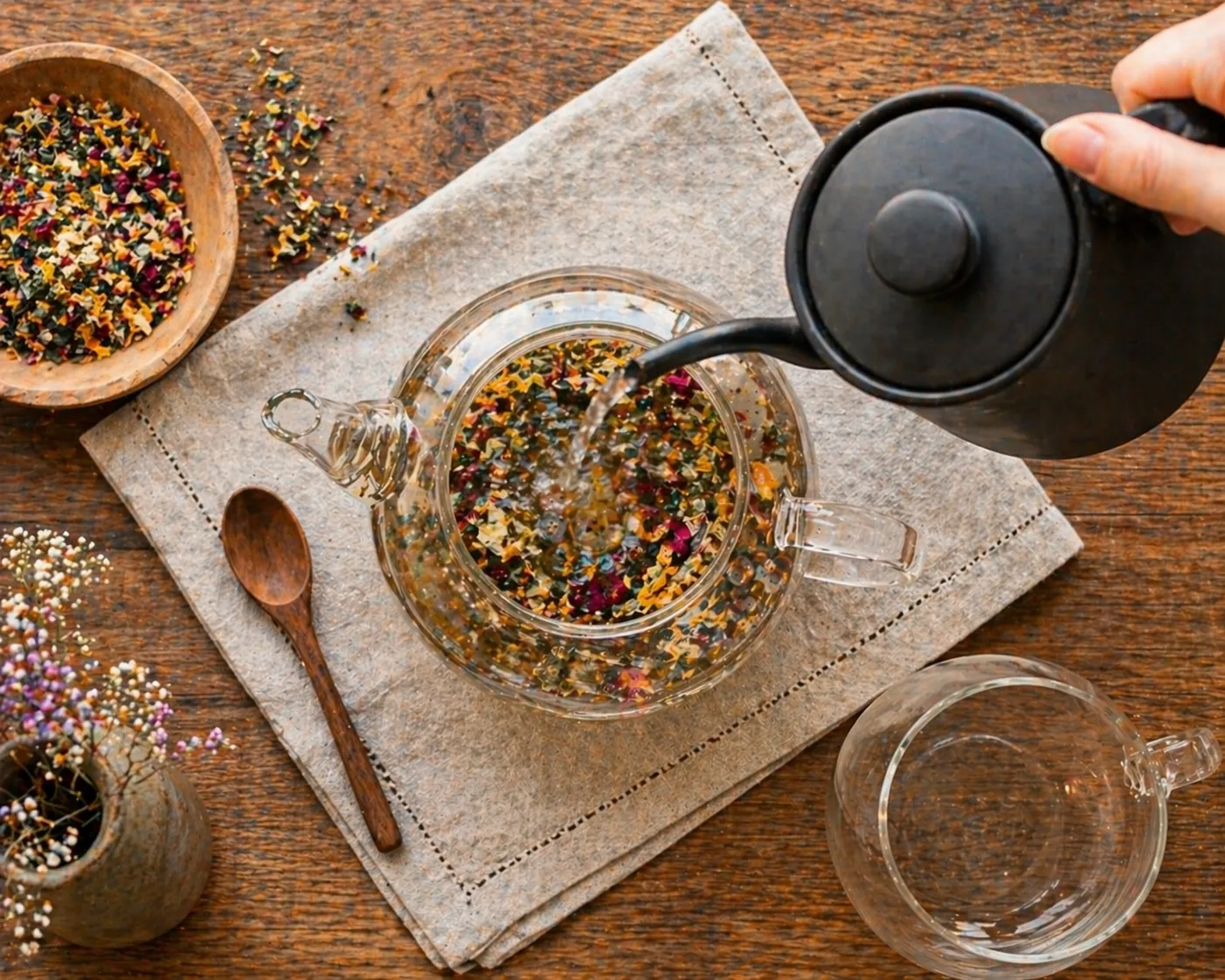
Brewing craft tea requires a slightly different approach than dunking a bag. To unlock the full potential of your leaves, follow these key steps:
- Use Fresh, Filtered Water: The water is the base of your tea. Chlorinated or heavily mineralized tap water can mask delicate flavors. Therefore, filtered or spring water is ideal.
- Mind the Temperature: Different teas require different temperatures. Generally, white and green teas need cooler water (160°F-185°F / 70°F-85°C) to prevent bitterness, while black, oolong, and herbal teas can handle a full boil (200°F-212°F / 93°F-100°C).
- Measure Your Leaves: A common guideline is one teaspoon of loose leaf tea per 8 ounces of water. However, adjust to your taste preference.
- Preheat Your Vessel: Pour a little hot water into your teapot or cup, swirl it, and discard it. This simple step ensures the water temperature stays consistent for brewing.
- Steep with Precision: Use a timer! Over-steeping is the quickest way to a bitter cup. Herbal teas (tisanes) often need 5-7 minutes, while delicate green teas may need only 2-3 minutes.
- Separate the Leaves: After steeping, remove all the leaves from the water to stop the brewing process. A built-in infuser or a separate strainer works perfectly.
Exploring Popular Craft Tea Styles
The craft tea world is vast. Here are a few popular styles you’re likely to encounter:
- Single-Origin Teas: These come from one specific estate or region, allowing you to taste the unique “terroir” of that place—much like a single-origin coffee or wine. A Darjeeling from India will taste distinctly different from a Keemun black tea from China.
- Artisan Herbal Tisanes: Caffeine-free blends crafted from dried fruits, herbs, spices, and flowers. Think of blends with hibiscus, rooibos (learn more about South African Rooibos), chamomile, and cinnamon.
- Scented & Flavored Teas: This is where artistry shines. High-quality tea is carefully scented with natural oils (like jasmine) or blended with real pieces of fruit, cocoa nibs, or spices. The flavoring enhances, rather than overpowers, the base tea.
Building Your Craft Tea Ritual
Ultimately, enjoying craft tea is about slowing down and appreciating the moment. Start by sourcing a few small samples from reputable specialty retailers. Experiment with different steeping times and temperatures to find your perfect cup.
Because the leaves are often high-quality, many craft teas can be steeped multiple times, with each infusion revealing a new layer of flavor.
Whether you’re seeking a moment of calm, a flavorful alternative to sugary drinks, or a new hobby for your senses, the world of craft tea offers a rich and rewarding journey. Consequently, your next perfect cup is waiting to be discovered.

