
Keto Dark Chocolate: Benefits & Best Picks
Dark Chocolate on the Keto Diet: A Guilt-Free Guide
Navigating sweets on a ketogenic diet can be challenging, but dark chocolate often emerges as a popular exception. Its rich flavor and potential health benefits make it a tempting option. However, incorporating it successfully requires a keen understanding of its carbohydrate content and nutritional profile. This guide will explore how to enjoy dark chocolate while maintaining ketosis, ensuring your dietary goals remain on track.
Understanding the Keto Diet and Sugar Restrictions
The ketogenic diet is a high-fat, moderate-protein, and very low-carbohydrate eating plan designed to shift your body’s primary fuel source from glucose to ketones. This metabolic state, known as ketosis, is achieved by drastically reducing carb intake, typically to between 20-50 grams of net carbs per day. Consequently, most traditional sweets and chocolates, loaded with sugar, are strictly off-limits.
Dark chocolate, however, stands apart because of its lower sugar content compared to milk or white chocolate. Its suitability hinges entirely on the cocoa content and the type of sweeteners used. Choosing the right product is therefore critical to avoid disrupting your metabolic state and spiking your blood sugar levels.
The Nutritional Benefits of Dark Chocolate
High-quality dark chocolate (with 70% cocoa or higher) is more than just a treat; it’s a source of several beneficial nutrients. Firstly, it is rich in antioxidants, particularly flavonoids, which combat oxidative stress in the body. Moreover, it provides important minerals like iron, magnesium, and copper.
From a keto perspective, its high fat and fiber content are advantageous. The fat supports your daily macronutrient goals, while the fiber helps offset the total carbohydrate count, resulting in a lower net carb figure. Additionally, some studies suggest the compounds in dark chocolate may support heart health and cognitive function. For a deeper dive into nutrients found in other foods, you can explore our guide on blood orange nutrition information.
Net Carbs in Popular Dark Chocolate Types
Selecting the right dark chocolate requires checking labels meticulously. Net carbs are calculated by subtracting dietary fiber and certain sugar alcohols from total carbohydrates. Here is a comparison of typical net carbs per serving (approx. 1 oz or 28 grams):
| Cocoa Percentage | Total Carbs (g) | Fiber (g) | Net Carbs (g) | Key Consideration |
|---|---|---|---|---|
| 70-75% | 14-16 | 3-4 | 10-12 | Standard option; check for added sugars. |
| 85-90% | 10-12 | 4-5 | 5-7 | Better choice; more bitter, fewer carbs. |
| 95-100% (Unsweetened) | 8-10 | 5-6 | 2-4 | Lowest carb; often requires acquired taste. |
| “Keto” Branded (w/ Sweeteners) | 12-18 | 6-10 | 2-5 | Uses erythritol/stevia; always verify ingredients. |
How to Choose the Best Keto-Friendly Dark Chocolate
When shopping, you must become a label detective. Here are the essential factors to consider:
- Cocoa Content: Prioritize bars with at least 85% cocoa solids. The higher the percentage, the lower the sugar content typically is.
- Sugar Type: Avoid bars listing cane sugar, sucrose, or maltitol early in the ingredients list. Maltitol, in particular, has a high glycemic index and can impact blood sugar.
- Sweeteners: Look for bars sweetened with keto-friendly alternatives like stevia, erythritol, monk fruit, or allulose. These have minimal impact on net carbs.
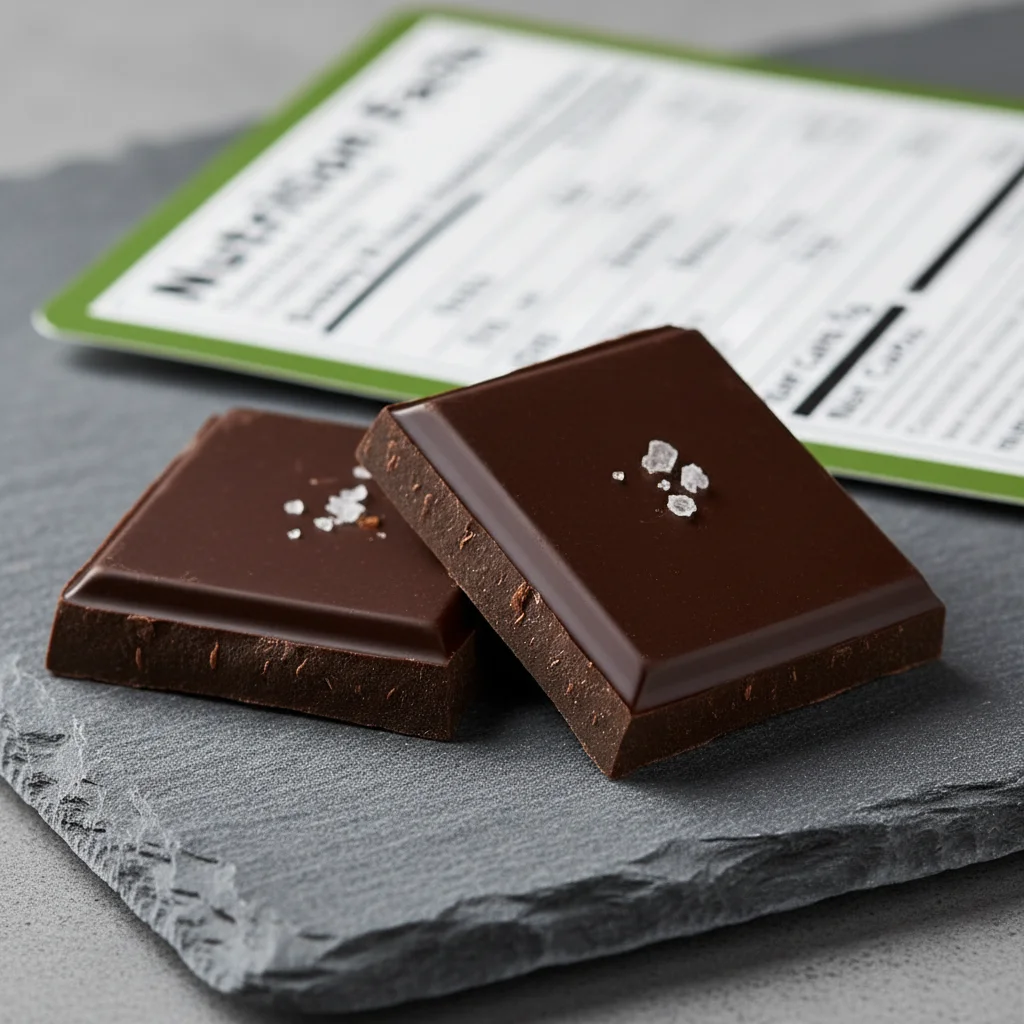
- Net Carbs: Always calculate the net carbs per serving to ensure it fits within your daily allowance. A small square (10g) of 90% chocolate may only have 2-3 net carbs.
- Purity: Choose products with minimal ingredients—cocoa mass, cocoa butter, and a natural sweetener are ideal.
Incorporating Dark Chocolate into Your Keto Meal Plan
Moderation is the golden rule. Even the darkest chocolate contains carbohydrates. Here are some smart ways to enjoy it:
- As a Portioned Treat: Pre-portion a bar into small squares to avoid mindless eating. One or two squares can satisfy a craving.
- In Recipes: Grate it over keto-friendly desserts, melt it into a fat bomb with coconut oil and nut butter, or use it in a low-carb mousse.
- Paired with Fats: Eat it with a handful of almonds or macadamia nuts. The added fat can increase satiety and help with nutrient absorption.
Conversely, consuming too much can lead to a carb overload, potentially knocking you out of ketosis. It can also trigger cravings for sweeter foods, which is counterproductive. Therefore, it should be viewed as an occasional luxury, not a daily staple.
Potential Drawbacks and Considerations
While beneficial, dark chocolate is not without its caveats. Firstly, it contains caffeine and theobromine, which are stimulants. Sensitive individuals may experience sleep disturbances if consumed in the evening. Secondly, some people may find that even a small amount can trigger sugar cravings, making dietary adherence more difficult.
Furthermore, the oxalates present in cocoa can contribute to kidney stone formation in prone individuals. Always listen to your body and prioritize whole, unprocessed foods as the foundation of your keto diet. For those focusing on holistic health, understanding other dietary components is key, such as knowing the best tea for a sore throat when under the weather.
Conclusion: Can You Have Dark Chocolate on Keto?
Absolutely, yes—with careful selection and strict portion control. High-cocoa, low-sugar dark chocolate can be a compatible part of a ketogenic lifestyle. It offers a way to enjoy a decadent flavor while gaining antioxidants and minerals. The key is to always check the label, calculate the net carbs, and enjoy it mindfully as a strategic treat within your macro limits. By doing so, you can indulge your chocolate cravings without compromising your journey toward ketosis and better health.