
Table Salt vs Himalayan Salt Compared
Table Salt vs Himalayan Salt: A Detailed Comparison
When you reach for the salt shaker, you’re making a choice that affects both flavor and nutrition. The debate between common table salt and trendy Himalayan pink salt is more than just about color; it involves processing, mineral content, and intended use. Understanding these differences can help you make an informed decision for your kitchen and health.
What is Table Salt?
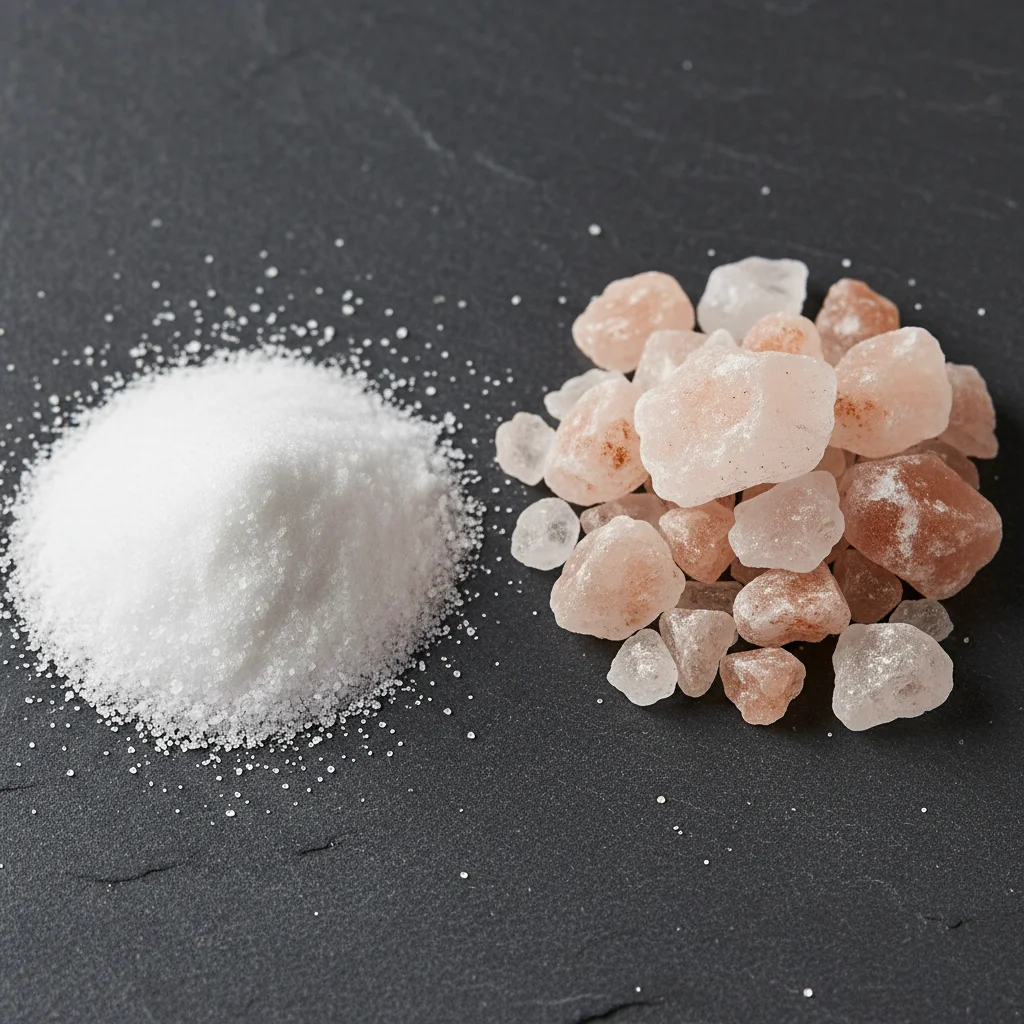
Table salt is the highly refined, granulated salt most commonly found in shakers and processed foods. It is primarily harvested from underground salt deposits or evaporated seawater. The refining process removes most trace minerals and impurities, resulting in a product that is almost pure sodium chloride (typically 97% or higher).
To prevent clumping, anti-caking agents like calcium silicate are often added. Moreover, in many countries, iodine is added to table salt—a public health measure that began in the early 20th century to prevent iodine deficiency disorders like goiter. Consequently, this fortification has been a significant success story in nutritional science.
What is Himalayan Pink Salt?
Himalayan salt is a type of rock salt mined from the Punjab region of Pakistan, near the Himalayas. Its distinctive pink, red, and white hues come from trace amounts of iron oxide (rust) and other minerals. It is marketed as a more natural, less processed alternative to table salt, often containing 84 trace minerals and elements, including potassium, magnesium, and calcium.
Because it is less refined, its sodium chloride content is slightly lower—usually around 98% compared to table salt’s near 100%. Its popularity stems from both its aesthetic appeal and perceived health benefits, which we will explore next.
Nutritional Breakdown: A Side-by-Side Look
The core difference lies in their mineral composition. While both are primarily sodium chloride, the presence of trace minerals sets them apart.
| Aspect | Table Salt | Himalayan Pink Salt |
|---|---|---|
| Primary Source | Underground deposits or seawater | Khewra Salt Mine in Pakistan |
| Processing Level | Highly refined, stripped of impurities | Minimally processed, hand-mined |
| Key Components | ~97-99% Sodium Chloride, Iodine (often added), Anti-caking agents | ~98% Sodium Chloride, 84+ trace minerals (e.g., iron, potassium, magnesium) |
| Color | Bright white | Pink, ranging from pale to deep rose |
| Common Uses | General cooking, baking, seasoning, food preservation | Finishing salt, gourmet cooking, bath salts, decorative lamps |
Examining the Health Claims: What’s the Evidence?
Many claims surround Himalayan salt, suggesting it can detoxify the body, improve respiratory health, and balance pH levels. However, it’s crucial to examine these claims critically.
Firstly, while Himalayan salt does contain trace minerals, the amounts are minuscule. You would need to consume impractically large quantities to gain any significant nutritional benefit from them. For instance, to get your daily recommended intake of iron from pink salt, you would have to eat over half a pound of it—an amount that would be dangerously high in sodium.
Secondly, both salts contribute equally to sodium intake, which is the primary health concern for most people regarding salt consumption. Excessive sodium is linked to high blood pressure and an increased risk of heart disease. Therefore, regardless of the type, moderation is key.
The most substantiated benefit of table salt is its iodine content. Iodine is essential for thyroid hormone production, which regulates metabolism. Using non-iodized salt like most Himalayan salt exclusively could potentially lead to a deficiency if other dietary sources (like seafood or dairy) are lacking. For more on supporting bodily functions, you might explore resources on prostate health or general wellness supplements.
Culinary and Practical Uses: Which Salt is Best Where?
Your choice should often depend on the application, because texture, flavor intensity, and dissolution rate vary.
- For General Cooking & Baking: Fine-grained table salt is often superior. It dissolves and disperses evenly, ensuring consistent seasoning in soups, sauces, and baked goods. Its neutral flavor doesn’t alter the intended taste of the dish.
- As a Finishing Salt: Here, Himalayan salt shines. Its coarse, crunchy texture and subtle, complex flavor make it perfect for sprinkling over finished dishes like roasted vegetables, steaks, or chocolate desserts. It adds a burst of salinity and visual appeal.
- For Brining & Preserving: Canning and pickling recipes typically call for pure, non-iodized salt without anti-caking agents, as additives can cloud brines. Some Himalayan salts fit this need, but it’s essential to check the label to ensure no additives are present.
Moreover, understanding how to season food properly is a cornerstone of good nutrition and enjoying whole foods. For insights into balancing your diet, consider reading about the nutritional value of graham crackers as an example of evaluating everyday foods.
The Bottom Line: Which Should You Choose?
The choice between table salt and Himalayan salt is largely one of personal preference, culinary need, and budget.
- Choose Table Salt if: You want an inexpensive, consistent, and readily available salt for everyday cooking and baking. Its iodine content is a significant public health benefit, especially if your diet lacks other iodine sources.
- Choose Himalayan Salt if: You prefer a less processed product for finishing dishes, appreciate its aesthetic qualities, or enjoy experimenting with different textures. View its trace minerals as a negligible bonus, not a primary health benefit.
Ultimately, the most critical factor for health is monitoring your total sodium intake. The American Heart Association recommends no more than 2,300 milligrams per day, with an ideal limit of 1,500 mg for most adults. Whether your sodium comes from a white shaker or a pink grinder, the effect on your blood pressure is fundamentally the same. Consequently, focusing on a balanced diet rich in whole foods is the most reliable path to wellness.

