
Complete Guide of Dental Flipper Cost & Care
The Complete Guide to Dental Flippers: Your Temporary Tooth Solution
Losing a tooth, whether from injury, decay, or extraction, can be a distressing experience. It affects not only your smile but also your confidence and ability to chew. Fortunately, modern dentistry offers several solutions, and one of the most immediate and affordable is the dental flipper.
This guide will explain everything you need to know about this temporary prosthetic, from its function and cost to proper care and when to consider a permanent replacement.
What is a Dental Flipper?
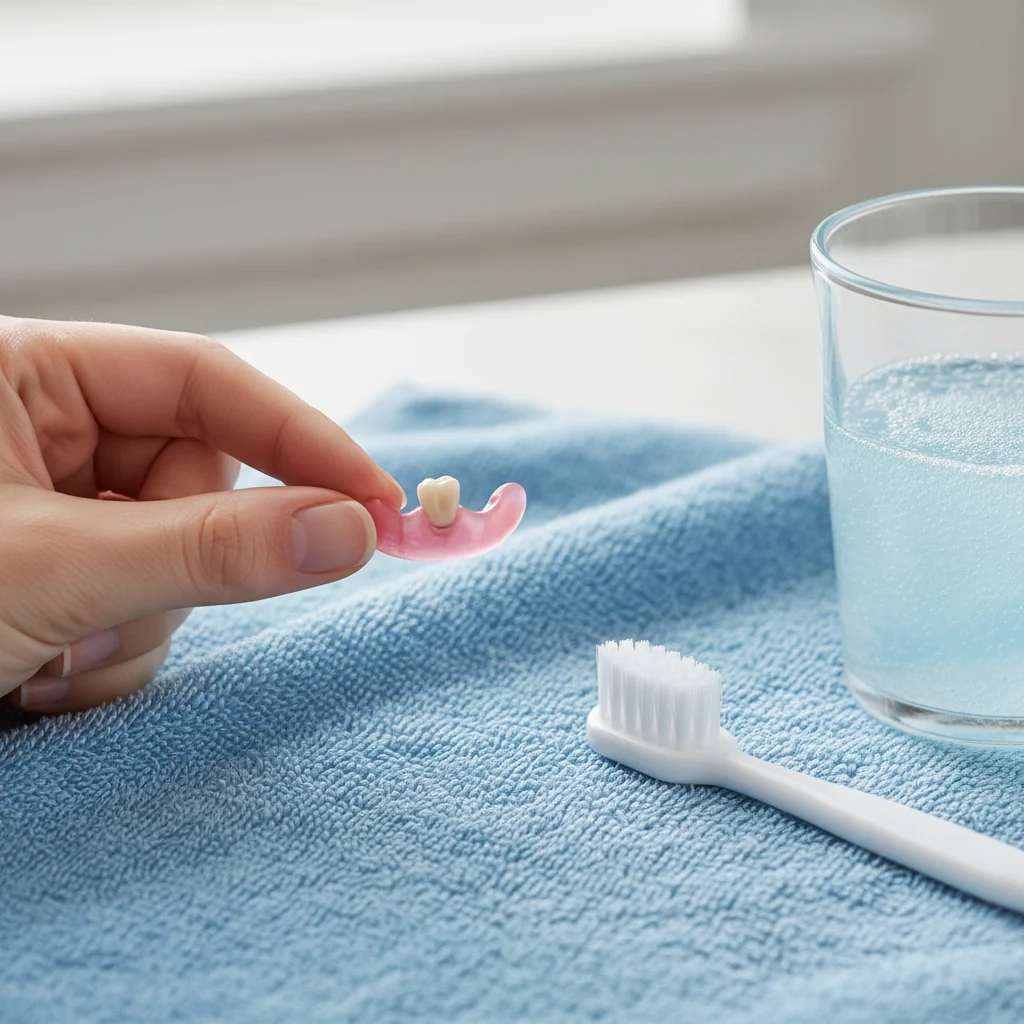
A dental flipper is a type of removable partial denture designed to replace one or more missing teeth temporarily. It’s typically made from acrylic and features prosthetic teeth attached to a gum-colored base.
The name “flipper” comes from its lightweight nature, as it can easily “flip” in and out of place. Consequently, it serves as an interim solution while waiting for a more permanent option like a dental implant or bridge, or while healing from an extraction.
Key Components and How It Works
A standard flipper consists of two main parts:
* The Prosthetic Tooth/Teeth: These are crafted from acrylic or porcelain to match the color and shape of your natural teeth.
* The Acrylic Base: This pink or gum-colored base holds the prosthetic teeth and rests on your palate or the floor of your mouth.
Moreover, it may include small, discreet metal or acrylic clasps that hook onto your adjacent natural teeth for stability. Because it is removable, it offers a non-invasive and reversible option for tooth replacement.
Dental Flipper Costs and Considerations
The cost of a dental flipper can vary widely based on several factors, including the number of teeth being replaced, the materials used, and your geographic location. Generally, it is one of the most cost-effective tooth replacement options available.
| Factor | Impact on Cost & Details |
|---|---|
| Number of Teeth | Replacing a single tooth is the most affordable. Costs increase with each additional prosthetic tooth. |
| Material Quality | Basic acrylic is standard. Porcelain teeth or flexible resin bases are more expensive but offer enhanced aesthetics and comfort. |
| Dental Professional Fees | Costs vary by dentist or prosthodontist and the region where you receive care. |
| Dental Insurance | Many plans cover a portion of the cost for a flipper, especially if deemed medically necessary. Coverage often ranges from 50% to 80%. |
| Average Price Range | A single-tooth flipper typically ranges from $300 to $500. Multi-tooth flippers can cost $500 to $1,500+. |
It’s crucial to consult with your dentist for an exact quote. Additionally, while affordable upfront, remember that a flipper is a temporary device and may incur replacement costs over time.
Pros and Cons of Choosing a Flipper
Understanding the advantages and limitations will help you set realistic expectations.
Advantages:
* Affordability: It is significantly less expensive than implants or permanent bridges.
* Quick Solution: It can be fabricated and placed relatively quickly, often within a few weeks.
* Non-Invasive: No surgery or alteration of adjacent healthy teeth is required.
* Preserves Space: It prevents adjacent teeth from shifting into the gap, which is vital for future dental work.
* Boosts Confidence: It immediately restores the appearance of your smile.
Disadvantages:
* Fragility: The acrylic material can break or crack if dropped or mishandled.
* Temporary Nature: It is not designed for long-term, permanent use and will eventually need replacement.
* Fit Issues: It may feel bulky, affect speech initially, or become loose as your mouth heals and changes shape.
* Maintenance Required: It must be removed for cleaning and sleeping.
How to Clean and Care for Your Dental Flipper
Proper care is essential for the longevity of your flipper and, more importantly, for your overall oral health. Neglecting to clean it can lead to plaque buildup, bad breath, and infections.
- Remove and Rinse After Eating: Take out your flipper and rinse it under water to remove food particles.
- Brush Gently Daily: Use a soft-bristled toothbrush and a non-abrasive cleanser (or mild soap) to brush the flipper. Avoid regular toothpaste, as it can be too abrasive and scratch the acrylic.
- Soak Overnight: To keep it moist and maintain its shape, soak it in a denture-cleaning solution or plain water overnight. This also helps disinfect it.
- Handle with Care: Always clean your flipper over a soft towel or a basin of water to cushion it if dropped.
- Maintain Oral Hygiene: Brush and floss your natural teeth thoroughly before reinserting the flipper. Pay special attention to the health of the teeth that support the clasps.
Flipper Denture vs. Long-Term Alternatives
While a flipper is an excellent temporary fix, it’s important to discuss permanent solutions with your dentist. Here’s a brief comparison:
- Dental Implants: A titanium post is surgically placed in the jawbone, acting as a root for a crown. Implants are permanent, highly stable, and help prevent bone loss. They are, however, the most expensive option and require a surgical procedure.
- Dental Bridges: A false tooth is anchored permanently to the adjacent natural teeth (which are capped with crowns). Bridges are a fixed, mid-range option but require altering healthy teeth.
- Flipper Denture: As discussed, it is removable, affordable, and temporary. It does not stimulate the jawbone, so bone loss in the area may continue over time.
Your choice will depend on your budget, health, and long-term goals for your dental health and function.
When to See Your Dentist
Schedule an appointment if your flipper:
* Becomes loose, cracks, or breaks.
* Causes persistent sore spots or gum irritation.
* No longer fits properly after significant weight change or oral surgery.
* You are ready to discuss a permanent tooth replacement option.
Maintaining good overall health can also support oral recovery. For instance, managing inflammation through diet is beneficial; you can explore anti-inflammatory foods in our guide on the nutritional value of graham crackers.
Furthermore, specific supplements are designed to support bodily systems; for example, some individuals look into targeted formulas for joint and mobility health, which you can read about in our Joint Genesis review.
Final Thoughts
A dental flipper is a valuable, accessible tool in restorative dentistry that provides an immediate aesthetic and functional solution after tooth loss. Because it is temporary, it should be seen as a step in your dental care journey, not the final destination.
Therefore, proper care and regular dental check-ups are paramount. Ultimately, by understanding its role, costs, and maintenance, you can confidently use your flipper as you and your dentist plan for a healthy, lasting smile.
Disclaimer: This article is for informational purposes only and is not a substitute for professional medical advice. Always consult with a qualified dentist or healthcare provider for diagnosis and treatment.