
Enlargement of Gum -Causes, Symptoms, and Solutions
Understanding Gum Enlargement: Causes, Symptoms, and Solutions
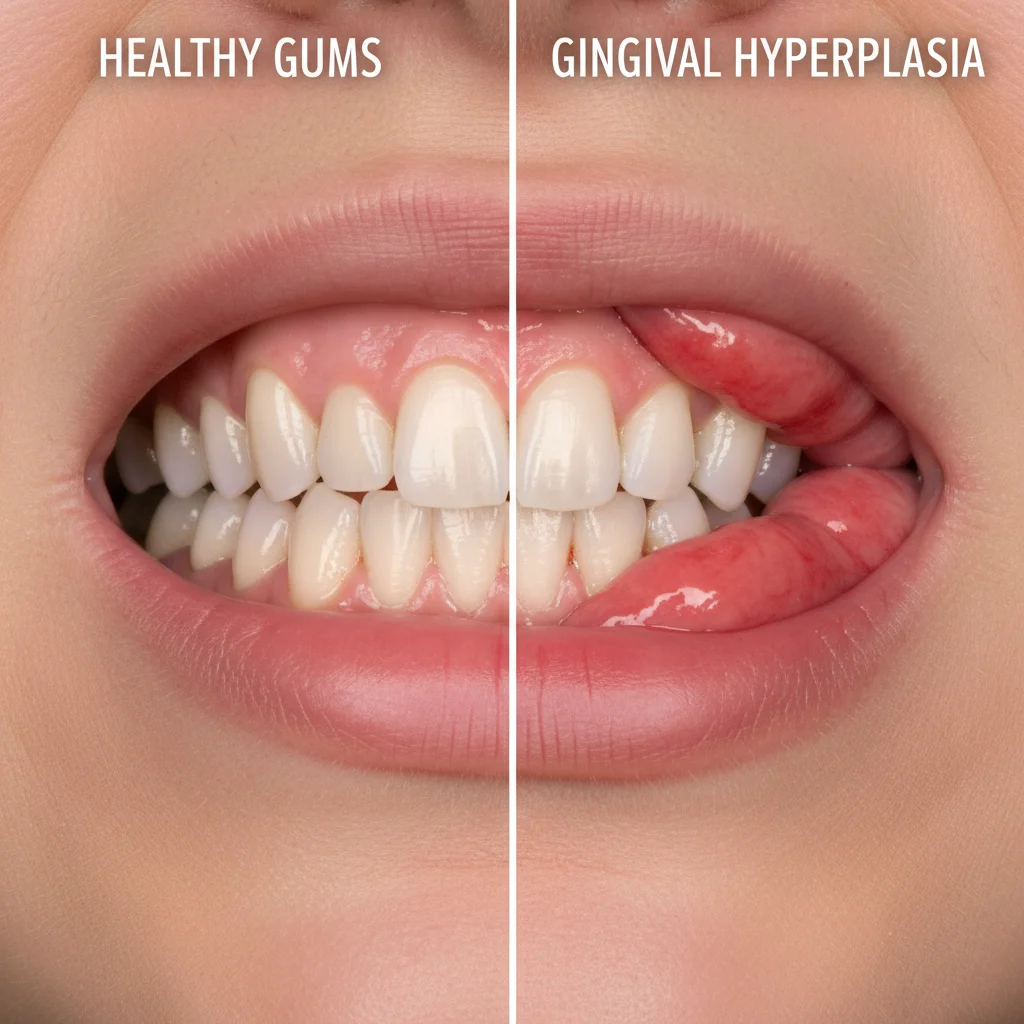
Noticing a change in your gumline can be alarming. The medical term for enlargement of the gums is gingival hyperplasia or gingival overgrowth.
This condition involves the abnormal growth of gum tissue, which can cover parts of your teeth, create pockets for bacteria, and affect both your oral health and smile aesthetics.
Understanding the root causes is the first step toward effective management and treatment.
What Causes Gum Enlargement?
Gum tissue doesn’t simply grow without reason. Several key factors can trigger this overgrowth. Identifying the underlying cause is crucial for determining the correct course of action.
1. Inflammatory Response (Gingivitis & Periodontitis)
The most common cause is plaque-induced inflammation. When plaque—a sticky film of bacteria—builds up on teeth, it irritates the gums. This irritation leads to gingivitis* wiki, characterized by red, swollen, and tender gums that may bleed easily.
If left untreated, gingivitis can progress to periodontitis, a more severe infection that can damage the bone and lead to gum recession or, paradoxically, swollen tissue.
2. Medication-Induced Overgrowth
Certain prescription drugs are notorious for causing gingival enlargement as a side effect. This occurs because these medications can affect the growth of connective tissue in the gums. Common culprits include:
* Anticonvulsants like phenytoin (used for epilepsy).
* Immunosuppressants like cyclosporine (used after organ transplants).
* Calcium channel blockers like nifedipine and amlodipine (used for high blood pressure and heart conditions).
If you’ve recently started a new medication and noticed gum changes, consult your doctor. Never stop taking prescribed medication without medical advice.
3. Systemic Health Conditions
Your oral health is a window to your overall health. Several systemic conditions can manifest with gum enlargement:
* Pregnancy: Hormonal changes can increase blood flow to gum tissue, causing “pregnancy gingivitis.”
* Vitamin Deficiencies: A severe lack of vitamin C (scurvy) can cause swollen, bleeding gums.
* Leukemia: In some cases, leukemic cells can infiltrate the gum tissue, causing swelling.
* Genetic Conditions: Rare disorders like hereditary gingival fibromatosis cause slow, progressive overgrowth.
4. Other Contributing Factors
Poor oral hygiene is a major amplifier for any cause. Additionally, misaligned teeth or ill-fitting dental appliances (like braces or dentures) can create areas where plaque accumulates easily, leading to localized gum overgrowth.
Symptoms and Signs to Watch For
Gum enlargement is more than just a cosmetic concern. Be vigilant for these accompanying symptoms:
* Swollen, bulbous, or rounded gum contours.
* Gums that are red or dark red instead of a healthy pink.
* Bleeding during brushing or flossing.
* Tenderness or pain in the gum tissue.
* Gaps forming between the teeth and gums.
* Bad breath (halitosis) that doesn’t go away.
* A feeling of tightness or fullness in the gums.
Diagnosis and Professional Treatment Options
If you suspect gum enlargement, a visit to your dentist or periodontist (gum specialist) is essential. They will:
1. Review your medical and dental history, including all medications.
2. Perform a clinical examination of your gums, checking for plaque, bleeding, and pocket depth.
3. Possibly take dental X-rays to assess bone health underneath the gums.
Treatment is directly tied to the cause:
| Primary Cause | Primary Treatment Approach | Additional Notes |
|---|---|---|
| Plaque & Inflammation | Professional dental cleaning (scaling) to remove plaque and tartar. Improved daily oral hygiene. | The cornerstone of treatment. Inflammation often reduces significantly with proper cleaning. |
| Medication-Related | Consultation with your physician to adjust dosage or switch medications. Meticulous oral care. | Surgical removal of excess tissue (gingivectomy) may be needed if overgrowth is severe. |
| Systemic Disease | Managing the underlying condition with your healthcare provider. Supportive dental care. | Treatment focuses on the primary health issue, such as managing blood sugar levels for diabetics. |
| Severe/Genetic Overgrowth | Surgical intervention (gingivectomy) to remove excess tissue and reshape the gums. | Often provides the most effective and long-lasting cosmetic and functional result. |
Prevention and Daily Care Strategies
Prevention is always preferable to treatment. A robust oral hygiene routine is your best defense.
* Brush Effectively: Use a soft-bristled toothbrush twice daily. Consider an electric toothbrush for more consistent plaque removal.
* Floss Daily: This removes plaque and debris from between teeth where brushes can’t reach.
* Antimicrobial Mouthwash: A therapeutic mouthwash can help reduce bacterial load. For a natural option, learn about the benefits of chamomile tea for its soothing anti-inflammatory properties.
* Regular Dental Visits: Schedule professional cleanings and check-ups every six months, or as recommended.
* Communicate with Providers: Always inform your dentist of any new medications and your doctor of any gum issues.
When to See a Professional
You should schedule a dental appointment promptly if you experience:
* Sudden or rapid gum growth.
* Swelling that interferes with chewing.
* Bleeding that is persistent or heavy.
* Pain that doesn’t subside.
* You have concerns about medication side effects.
Conclusion
Gum enlargement is a treatable condition with a variety of causes, from simple inflammation to medication side effects. Consequently, a proper diagnosis is the key to an effective solution.
By maintaining excellent oral hygiene, attending regular dental visits, and communicating openly with both your dentist and physician, you can manage this condition effectively and protect your overall oral health.