
Die Cutting Machines Buyer’s Guide
The Ultimate Guide to Die Cutting Machines for Crafts
Unleashing intricate shapes, perfect letters, and complex designs with precision and ease is now a cornerstone of modern crafting. Consequently, die cutting machines have become indispensable tools for hobbyists and professionals alike.
This comprehensive guide will help you navigate the world of die cutting, ensuring you select the perfect machine to elevate your creative projects.
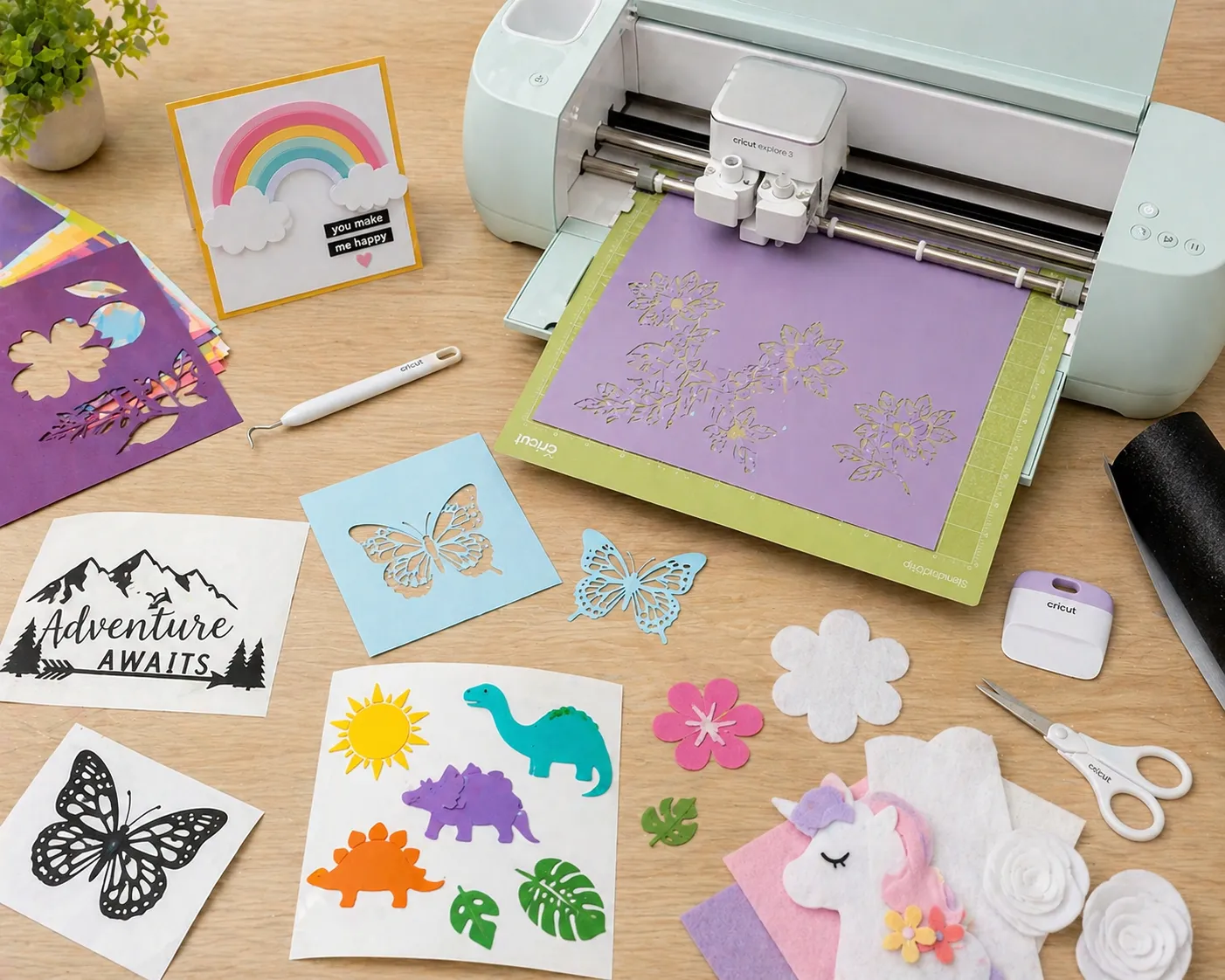
What is a Die Cutting Machine?
Fundamentally, a die cutting machine is a device used to cut shapes from materials like paper, cardstock, vinyl, fabric, and even thin wood. It employs pressure and a sharp metal die or a digital blade to create consistent, clean cuts every time.
These machines save immense time and effort compared to hand-cutting, therefore allowing crafters to achieve professional-looking results. The technology bridges the gap between simple scissors and industrial cutters, making detailed work accessible to everyone.
Types of Die Cutting Machines
Understanding the different types of machines is the first step to making an informed purchase. Primarily, they fall into three main categories.
Manual Die Cutting Machines
Manual machines are operated by turning a crank or lever to apply pressure. They are typically more affordable and portable, making them excellent for beginners or crafters on a budget. Moreover, they do not require electricity, so you can craft anywhere. However, they rely on physical metal dies for each shape, which requires storage space and an upfront investment in dies.
Electronic Die Cutting Machines
Electronic machines use a motor to automatically feed materials and apply cutting pressure. They are easier on the hands and wrists, which is a significant advantage for those with joint concerns or who craft for long periods. Additionally, they often offer more consistent pressure than manual models. They still primarily use metal dies, but some hybrid models may offer digital capabilities.
Digital (or Electronic Cutting) Machines
This is the most versatile and popular category today. Digital machines, like those from Cricut or Silhouette, connect to your computer or smartphone. Instead of metal dies, they use a small, adjustable blade to cut designs you create or purchase digitally.
This offers nearly limitless possibilities because you are not confined to pre-made die shapes. Consequently, they are ideal for custom projects, intricate designs, and those who value a vast design library.
Key Features to Consider When Buying
Choosing the right machine involves evaluating several critical features against your crafting goals.
Cutting Pressure and Versatility: Can it handle just paper, or also thicker materials like chipboard, balsa wood, or leather? A machine with adjustable pressure settings offers more flexibility.
Compatibility: Manual and electronic machines require specific brands of metal dies. Digital machines require compatible software and file types (like SVG or PNG).
Size and Portability: Consider the machine’s “cutting width”—the maximum size of material it can accept. Also, think about its weight and footprint if you have limited space.
Ease of Use: Is the software intuitive? How easy is it to load materials and change blades or tools? User-friendly features reduce the learning curve significantly.
Additional Tools: Many digital machines are multi-functional. They can not only cut but also draw, score, emboss, and even foil. This transforms one tool into a complete crafting station.
Popular Materials You Can Cut
The right machine opens up a world of materials. Here’s a quick reference table:
| Material | Best For | Machine Type Recommendation |
|---|---|---|
| Paper & Cardstock | Scrapbooking, card making, paper flowers | All Types (Manual, Electronic, Digital) |
| Vinyl | Decals, stickers, tumblers, signage | Digital (with a fine-point blade) |
| Heat Transfer Vinyl (HTV) | Custom t-shirts, bags, fabric projects | Digital |
| Fabric | Appliqué, quilt pieces, sewing patterns | Digital (with a fabric grip mat) or specific manual machines |
| Felt | Stuffed toys, ornaments, decorative accents | Digital or Manual with strong pressure |
| Thin Leather | Keychains, jewelry, bookmarks | Digital (with a deep-cut blade) or heavy-duty manual |
| Chipboard | Album covers, 3D structures, sturdy tags | Manual or Electronic with high pressure |
Top Craft Projects for Die Cutting Machines
The applications are virtually endless. Firstly, these machines are a scrapbooker’s best friend, creating perfect photo mats, titles, and embellishments. Secondly, they revolutionize home décor, allowing you to make custom wall art, intricate window clings, and personalized pillows. Furthermore, they are essential for small business owners creating branded packaging, stickers, and signage.
For personalized gifts, you can design unique cards, monogrammed tote bags, or decorated journals. Additionally, the precision is perfect for making party decorations, from elaborate centerpieces to coordinated favor bags. If you enjoy mixed-media art, a die cutter can integrate precise elements into your larger pieces. For those interested in natural wellness crafts, you could even create precise stencils for soap making or labels for homemade blends, similar to the care one might take in preparing a perfect cup of Lion’s Mane Mushroom Tea for its cognitive benefits.
Die Cutting vs. Other Craft Techniques
It’s helpful to understand how die cutting compares to other methods. Unlike hand-cutting, it provides speed, consistency, and the ability to manage complex patterns. Compared to laser cutting, die cutting machines are far more affordable, safer for home use, and better suited for thinner, pliable materials. However, laser cutters can handle much thicker woods and metals. The digital aspect also differs from stamping, as cutting creates a physical shape, whereas stamping applies an inked image. Many crafters, however, beautifully combine these techniques.
Maintenance and Care Tips
To ensure your machine lasts for years, proper care is essential. Firstly, always clean the cutting rollers and mats regularly to prevent adhesive or debris buildup, which can affect cut quality. Secondly, store blades and tools in a safe, dry place to prevent rust and damage. Moreover, use the correct cutting mat and blade for each material to avoid unnecessary wear and tear. Finally, always refer to the user manual for specific lubrication or calibration needs. This routine maintenance is as crucial for your tools as understanding the proper tattoo healing process is for body art aftercare.
Getting Started: Your First Project
Ready to begin? Start simple. Choose a digital machine with beginner-friendly software or a manual machine with a basic shape die set. A classic first project is creating a set of greeting cards. You can cut a layered flower shape from cardstock or a elegant sentiment from metallic vinyl. The key is to follow tutorials, be patient with the learning process, and most importantly, have fun experimenting.
Conclusion: Cutting to the Heart of Creativity
In summary, a die cutting machine is a powerful investment that can transform your craft workflow. Whether you choose a simple manual machine for quick shapes or a fully-featured digital hub for limitless creation, the right tool will unlock new levels of precision and creativity. By considering your primary projects, preferred materials, and budget, you can find the perfect machine to bring your most intricate ideas to life. Therefore, embrace the potential of this technology and start cutting your path to more beautiful, professional, and enjoyable crafting today.