
Edible Aloe Vera: Benefits & How to Eat
The Edible Aloe Vera Plant: Your Guide to Safe Consumption and Health Benefits
The edible aloe vera plant is renowned for its soothing gel, a staple in skincare cabinets worldwide. However, beyond topical use, certain varieties of this succulent can be a unique and nutritious addition to your diet. Consuming aloe vera requires specific knowledge to ensure safety and maximize benefits. This guide will walk you through everything you need to know about identifying, preparing, and enjoying aloe vera as a food.
What Makes an Aloe Vera Plant Edible?
Firstly, it’s crucial to understand that not all aloe plants are safe to eat. The most commonly consumed species is Aloe vera barbadensis miller. It is characterized by thick, fleshy green leaves that grow upright from a central base. Conversely, many ornamental aloe species can contain high levels of anthraquinones, like aloin, which are potent laxatives and can cause severe stomach cramps and diarrhea.
Therefore, you should only consume aloe vera gel from plants specifically cultivated for internal use. When in doubt, purchase food-grade aloe vera gel or leaves from a reputable health food store or grocer.
Nutritional Profile of Edible Aloe Vera Gel
The clear inner gel of the aloe leaf is packed with beneficial compounds. It is low in calories yet contains an impressive array of vitamins, minerals, and amino acids.
| Nutrient Component | Key Benefits & Notes |
|---|---|
| Vitamins | Contains Vitamins A (beta-carotene), C, E, B12, folic acid, and choline. |
| Minerals | Provides calcium, chromium, copper, selenium, magnesium, manganese, potassium, sodium, and zinc. |
| Amino Acids | Offers 7 of the 8 essential amino acids, plus 11 non-essential ones. |
| Enzymes | Includes amylase and lipase, which aid in breaking down sugars and fats. |
| Antioxidants | Rich in polyphenols, which help combat free radicals in the body. |
Moreover, aloe vera gel is about 99% water, making it exceptionally hydrating. Its primary bioactive polysaccharide, acemannan, is studied for its immune-modulating and gut-health properties.
Top Health Benefits of Eating Aloe Vera
Incorporating edible aloe vera into your regimen may offer several science-backed advantages.
1. Supports Digestive Health
The gel has natural soothing and anti-inflammatory properties. Consequently, it may help calm irritation in the gut lining, potentially aiding conditions like occasional heartburn or irritable bowel syndrome (IBS). Its enzyme content can also promote healthier digestion.
2. Provides Antioxidant and Anti-inflammatory Effects
The various vitamins, enzymes, and polyphenols in aloe vera act as antioxidants. These compounds help neutralize free radicals, which are linked to chronic diseases. Additionally, the anti-inflammatory properties can benefit overall wellness, much like other dietary antioxidants discussed in our guide to antioxidants for prostate health.
3. May Aid in Blood Sugar Management
Some preliminary human studies suggest that aloe vera gel may help improve blood sugar levels in individuals with prediabetes and type 2 diabetes. However, more research is needed, and it should not replace standard care. For more on metabolic health, explore our comprehensive blood sugar levels guide.
4. Enhances Hydration and Skin Health from Within
Due to its high water content and nutrient density, consuming aloe vera gel supports internal hydration. This, combined with its antioxidants, can contribute to a healthier complexion.
Critical Safety: How to Avoid the Risks
The potential dangers of eating aloe vera primarily come from the latex, a yellow, bitter sap found just under the leaf’s skin. This latex contains aloin, a strong purgative.
Key Safety Rules:
* Only consume the inner gel (fillet). You must completely separate it from the green outer leaf and the yellow latex.
* Avoid aloe vera supplements if you are pregnant, breastfeeding, or have kidney or heart conditions, unless directed by a doctor.
* Discontinue use if you experience stomach cramps or diarrhea.
* Consult your doctor before regular consumption, as aloe can interact with medications like diabetes, laxative, steroid, and heart rhythm drugs.
Step-by-Step: How to Prepare and Eat Aloe Vera
Follow this method to safely harvest and prepare gel from a fresh leaf.
1. Select & Wash: Choose a large, mature leaf from a plant known to be Aloe vera barbadensis miller. Wash and dry the leaf.
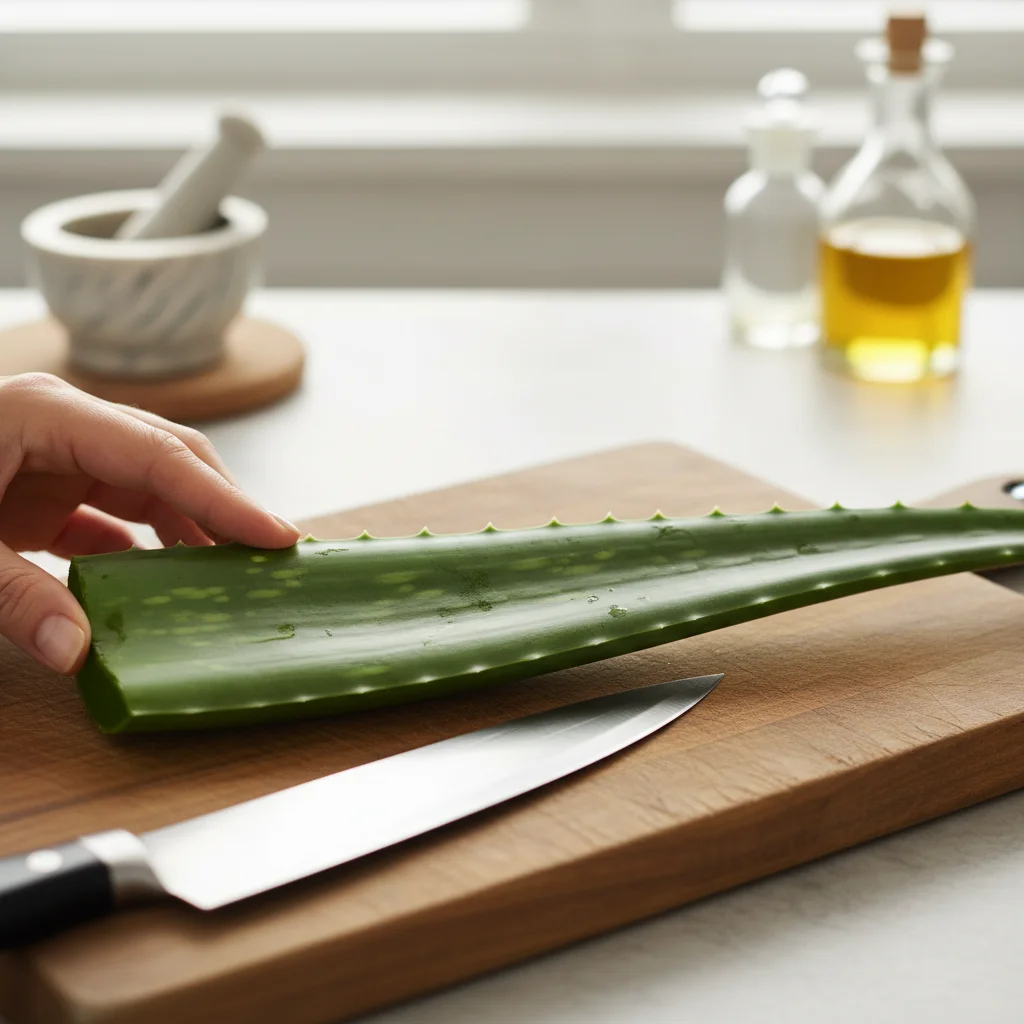
2. Trim & Drain: Cut off the spiky edges on both sides. Stand the leaf upright in a glass for 15 minutes to let the yellow latex (aloin) drain out.
3. Fillet the Leaf: Lay the leaf flat. Use a sharp knife to carefully peel off the top green layer, revealing the clear gel.
4. Scoop & Rinse: Gently scoop out the gel with a spoon. Give it a final rinse under cool water to remove any residual latex.
5. Store or Use: Use immediately or store in an airtight container in the refrigerator for up to a week. You can also freeze it in ice cube trays.
Delicious Ways to Incorporate Edible Aloe Vera into Your Diet
The mild, slightly citrusy flavor of aloe vera gel makes it a versatile ingredient.
* Smoothies & Juices: Add 1-2 tablespoons of gel to your favorite green smoothie or fruit juice.
* Yogurt & Parfaits: Mix diced aloe gel into yogurt, oatmeal, or chia pudding.
* Salads & Salsas: Dice the gel finely and add to fruit salads, salsas, or even cucumber salads for a hydrating crunch.
* Water Infusions: Blend gel with water and a squeeze of lemon or lime for a refreshing, detox drink.
Final Verdict: Is Eating Aloe Vera Worth It?
For most healthy adults, consuming properly prepared edible aloe vera gel in moderation can be a safe way to access its unique nutrients and potential health benefits. The key takeaway is meticulous preparation to avoid the harmful latex. Always prioritize food-grade sources and listen to your body. When used correctly, this ancient plant can be more than just a skin soother—it can be a novel addition to a modern, health-conscious kitchen.
Disclaimer: This article is for informational purposes only and is not a substitute for professional medical advice. Always consult with a healthcare provider before making significant changes to your diet, especially when using plants for therapeutic purposes.

