
Gubinge Kakadu Plum: Richest Vitamin C
Gubinge Kakadu Plum: The Ultimate Australian Superfood
Hidden within the remote landscapes of northern Australia grows a small, unassuming fruit that holds a monumental nutritional secret. Known as Gubinge, Kakadu Plum, or Terminalia ferdinandiana, this native Australian superfood is scientifically recognized as the world’s richest natural source of vitamin C.
For thousands of years, Indigenous Australian communities have harnessed its potent healing properties, and now, modern science is catching up to its extraordinary benefits.
What is Gubinge (Kakadu Plum)?
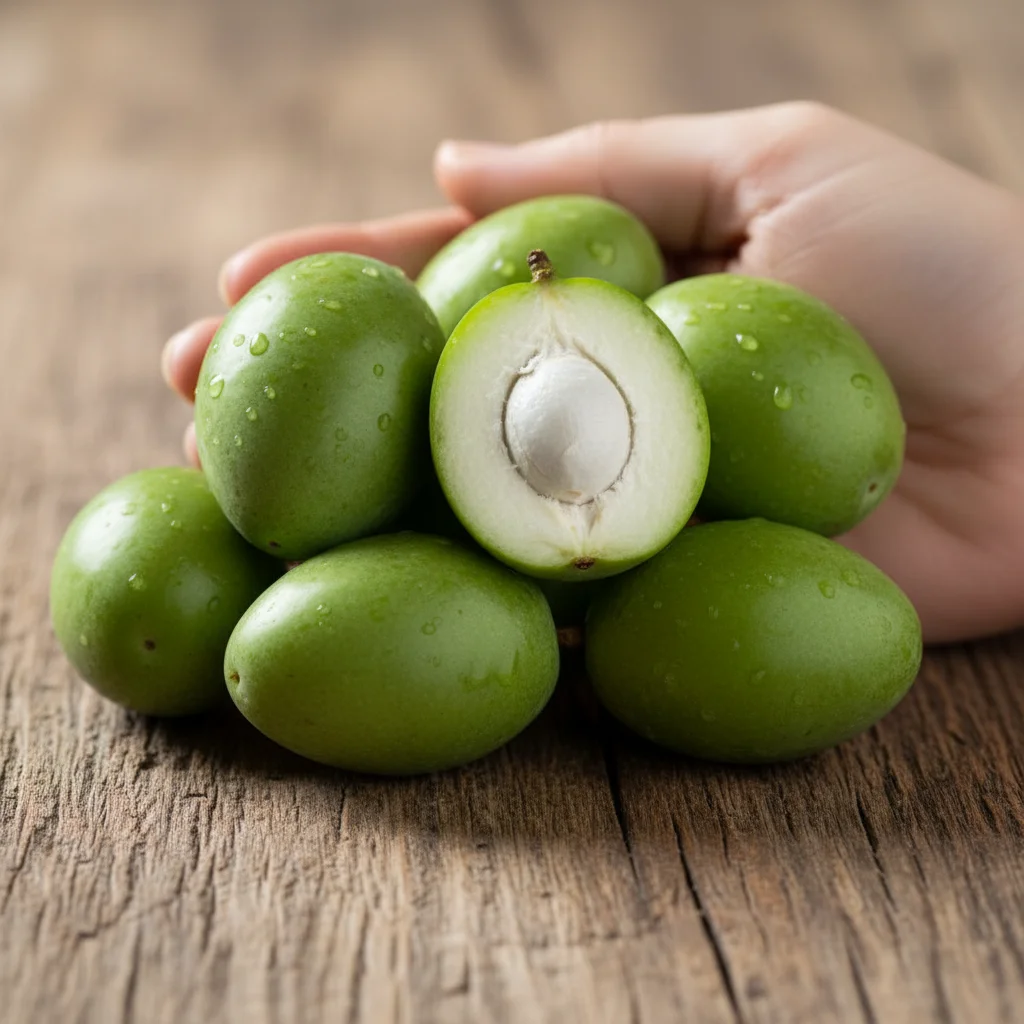
Gubinge is a small, olive-green fruit, roughly the size of an almond, that grows on a deciduous tree native to the tropical woodlands of the Northern Territory and Western Australia. It has been a staple food and medicine for Aboriginal peoples for millennia. The fruit has a tart, slightly bitter taste, often described as a blend of pear, citrus, and mild stewed apple. Its significance is profound; consequently, it represents not just a food source but a deep cultural heritage and a remarkable example of bush medicine.
Unpacking the Extraordinary Nutritional Profile
The primary claim to fame for Gubinge is its staggering vitamin C content. To put it into perspective, let’s compare it to some common fruits we associate with this essential nutrient.
Vitamin C Content Comparison (per 100g)
| Fruit | Vitamin C (mg) |
|---|---|
| Gubinge (Kakadu Plum) | 2,900 – 5,300 mg |
| Orange | 53 mg |
| Strawberry | 59 mg |
| Kiwifruit | 93 mg |
| Acerola Cherry | 1,600 mg |
As the table clearly illustrates, Gubinge contains up to 100 times more vitamin C than an orange. This isn’t just a minor difference; it’s a quantum leap in nutritional density. Moreover, its potency doesn’t end there. The fruit is also a rich source of other beneficial compounds.
Key Nutritional Components of Gubinge:
- Phenolic Compounds & Ellagic Acid: Powerful antioxidants that help combat oxidative stress and may support cellular health.
- Minerals: Contains useful amounts of iron, zinc, magnesium, and calcium.
- Dietary Fiber: Supports digestive health and promotes a feeling of fullness.
- Vitamin E: An antioxidant important for skin and immune function.
- Folate: Essential for cell growth and metabolism.
Top Health Benefits of Gubinge Kakadu Plum
The dense concentration of nutrients translates into several powerful health benefits.
1. Potent Immune System Support
Vitamin C is a cornerstone nutrient for immune function. It stimulates the production and function of white blood cells and acts as a powerful antioxidant within the body. Therefore, incorporating a small amount of Gubinge powder or extract can provide a massive boost to your body’s natural defenses, especially during seasonal challenges. For more on supporting your body’s defenses, explore our guide on effective sore throat remedies.
2. Superior Antioxidant Power
Beyond vitamin C, the unique blend of phenolic acids, ellagic acid, and other phytochemicals gives Gubinge an exceptionally high ORAC (Oxygen Radical Absorbance Capacity) value. This means it is incredibly effective at neutralizing free radicals, the unstable molecules that cause oxidative damage linked to aging and chronic disease. Consequently, it offers profound protective benefits for your entire body.
3. Promotes Radiant Skin Health
The antioxidant and anti-inflammatory properties make Gubinge a superstar for skin. Vitamin C is crucial for collagen synthesis, which maintains skin elasticity and firmness. Additionally, the ellagic acid may help protect the skin from UV damage. Because of this, it’s a prized ingredient in high-end serums and skincare products aimed at reducing wrinkles and promoting a bright, even complexion.
4. Enhances Iron Absorption
Vitamin C dramatically increases the body’s ability to absorb non-heme iron, the type of iron found in plant-based foods. This is particularly beneficial for individuals following vegetarian or vegan diets, as it helps prevent iron deficiency. For those exploring plant-based nutrition, understanding options like vegan keto diet plans can be valuable.
5. Supports General Wellness and Energy
The synergistic effect of its vitamins, minerals, and antioxidants contributes to reduced inflammation, better energy production at a cellular level, and overall metabolic health. It acts as a natural, whole-food tonic for daily vitality.
How to Use Gubinge Kakadu Plum
Due to its intensely tart flavor and limited fresh availability outside its native region, Gubinge is most commonly consumed in processed forms:
* Freeze-Dried Powder: The most popular and versatile form. Add a 1/4 teaspoon to smoothies, juices, yogurt, or salad dressings.
* Supplements & Capsules: For a convenient, concentrated dose.
* Skincare Products: Look for it in serums, creams, and facial oils.
* Jams, Chutneys, and Sauces: Often blended with other fruits to balance its tartness.
Important Note: Because of its extreme potency, a little goes a very long way. Always start with a small amount to assess your tolerance.
Sustainability and Ethical Considerations
The growing global demand for Gubinge brings important responsibilities. Ethical harvesting is paramount to protect wild populations and support the Indigenous communities who are the traditional custodians of this knowledge and resource. When purchasing products, look for brands that engage in fair-trade practices and have direct partnerships with Aboriginal-owned enterprises. This ensures the benefits are shared equitably and the land is managed sustainably.
Conclusion: A Superfood Worth Discovering
Gubinge Kakadu Plum is far more than a trending superfood; it is a nutritional powerhouse with a legacy rooted in one of the world’s oldest living cultures. Its unparalleled vitamin C content and robust antioxidant profile offer a natural, effective way to bolster your immune system, protect your cells, and enhance your skin health.
However, it is crucial to source it mindfully. By choosing ethically produced Gubinge products, you not only invest in your health but also contribute to the preservation of a precious cultural and ecological heritage. For further reading on the science of antioxidants, you can visit the National Institutes of Health (NIH) database.

