
Tips To How to support someone after psychiatric Hospital
How to Support Someone After Psychiatric Hospitalization: A Comprehensive Guide
The transition from a psychiatric hospital back to daily life is often one of the most vulnerable periods in a person’s recovery journey. While the hospital provides a controlled, safe environment, the “real world” is filled with the same stressors that may have contributed to the crisis in the first place.
If you are a friend, family member, or partner, your role is crucial. However, knowing exactly how to support someone after a psychiatric hospital stay can feel overwhelming. You want to help, but you don’t want to overstep.
This guide provides a roadmap for navigating this transition with empathy, patience, and practical strategies.

1. Understanding the Transition Period
Before diving into action, it is vital to understand the emotional state of your loved one. They may be experiencing:
Relief at being home.
Shame or Stigma regarding their hospitalization.
Exhaustion from intensive therapy and medication adjustments.
Fear of a relapse.
The Golden Rule: Recovery is not a linear path. There will be good days and bad days. Your goal is to provide a stable foundation, not to “fix” them instantly.
2. Immediate Steps: The First 48 Hours
The first few days post-discharge are about stabilization and comfort.
Create a Low-Stimulus Environment
The hospital is quiet and structured. Coming home to loud noises, crowded rooms, or a long list of chores can be triggering.
Keep the house calm.
Limit visitors unless the person specifically asks for them.
Ensure they have a quiet space to retreat to.
Manage the Logistics
Often, discharge comes with a mountain of paperwork. Help your loved one by:
Organizing their discharge summary.
Filling new prescriptions immediately.
Confirming follow-up appointments with psychiatrists or therapists.
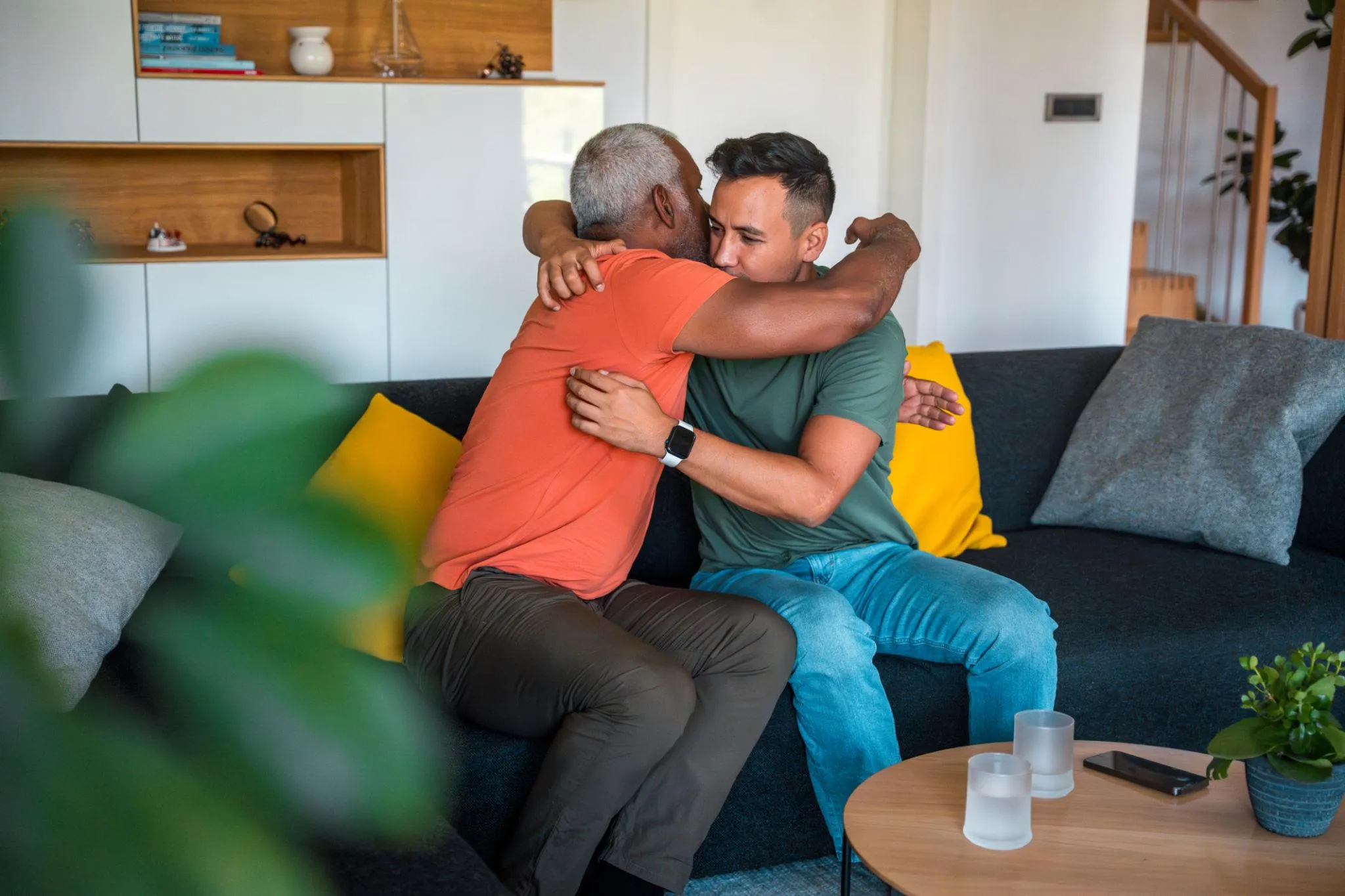
3. Communication Strategies: What to Say (and What Not to Say)
Communication is where most supporters feel the most “walking on eggshells.” Use these tips to foster an open dialogue.
| Do This | Avoid This |
| “I’m so glad you’re home. I’m here whenever you want to talk.” | “Why did you do that?” or “What was it like in there?” |
| “What is one thing I can do today to make things easier?” | “You need to pull yourself together now.” |
| Listen without judgment. | Offering “toxic positivity” (e.g., “Just stay positive!”) |
| Validate their feelings: “It’s okay to feel tired right now.” | Comparing their journey to someone else’s. |
Ask, Don’t Assume
Instead of hovering, ask: “Do you want me to check in on you every hour, or do you need space?” Empowering them to make small choices helps rebuild the autonomy they may have felt they lost in the hospital.
4. Practical Support: The “Scaffolding” of Recovery
Support isn’t just emotional; it’s physical. Think of yourself as the “scaffolding” that holds the structure up while the interior is being repaired.
Medication Management
If your loved one is comfortable with it, help them set up a medication pillbox or phone alerts. Note: Never force medication or shame them for side effects. If side effects are severe, encourage them to call their doctor.
Routine and Structure
Mental health thrives on routine. Help them establish a simple daily schedule:
Consistent Wake-up/Sleep Times: Sleep hygiene is critical for brain recovery.
Nutritious Meals: Prepare easy, healthy meals to ensure they are nourished.
Gentle Movement: A short walk outside can do wonders for regulating the nervous system.
5. Monitoring Safety Without Being Policed
One of the hardest parts of supporting someone after psychiatric hospitalization is the fear of another crisis.
The Safety Plan
Before or immediately after they come home, discuss their Safety Plan. This is a document usually created in the hospital that lists:
Early warning signs (e.g., not sleeping, withdrawing).
Coping strategies.
Emergency contacts (Doctors, Crisis Hotlines).
Ask them: “If I notice [Warning Sign], how would you like me to bring it up to you?” This makes the conversation collaborative rather than accusatory.
6. Encouraging Professional Follow-up
Hospitalization is just the “stabilization” phase; the “healing” phase happens in outpatient care.
The 7-Day Rule: Most clinical guidelines suggest seeing a professional within 7 days of discharge.
Offer Transportation: Sometimes the anxiety of driving or taking a bus to an appointment is enough to make someone skip it. Offer to drive them and wait in the car.

7. Setting Boundaries for Yourself
You cannot pour from an empty cup. To support someone effectively, you must maintain your own mental health.
Set Realistic Expectations: You are a supporter, not a therapist or a doctor.
Maintain Your Own Life: Continue going to work, seeing your friends, and engaging in hobbies. This prevents resentment and shows your loved one that life can continue normally.
Seek Your Own Support: Consider joining a support group for families of people with mental illness (like NAMI in the US or similar local organizations).
8. Dealing with Stigma and “The Return to Life”
The person may be worried about what to tell employers, friends, or extended family.
Help with the “Story”: You can help them draft a simple explanation for their absence if they aren’t ready to share details. For example: “I’ve been dealing with a health issue, but I’m back now and taking things one step at a time.”
Social Re-entry: Start small. Instead of a dinner party, try a 15-minute coffee with one trusted friend.

9. When to Seek Help Again
Recovery has setbacks. It is important to know the difference between a “bad day” and a “red flag.”
Red Flags include:
Talk of suicide or self-harm.
Total withdrawal from all communication.
Giving away possessions.
A return to the specific behaviors that led to the initial hospitalization.
If these occur, refer back to the Safety Plan and contact their mental health provider immediately.
Conclusion
Learning how to support someone after a psychiatric hospital stay is a journey of patience, education, and love. By focusing on practical help, open communication, and maintaining your own boundaries, you create an environment where healing is possible. You Can Read our New Blog -Hispanic Heritage Craft Ideas
Remember, your presence is often the most powerful tool you have. Just “being there”—without the need to fix everything—is sometimes exactly what is needed most.

