
Japanese Water Benefits & Rituals
Japanese Water: A Deep Dive into Hydration, Ritual, and Wellness
For centuries, Japanese culture has revered water not merely as a life-sustaining resource but as a cornerstone of health, spirituality, and daily ritual. The concept of “Japanese water” often evokes images of pristine natural springs, meticulous tea ceremonies, and a holistic approach to well-being. This guide explores the multifaceted world of Japanese water practices, examining their purported benefits, the science behind popular trends, and how you can incorporate this mindful approach to hydration into your own life.
What is Japanese Water?
Broadly speaking, “Japanese water” refers to both the physical quality of water sourced in Japan and the cultural practices surrounding its consumption. Geographically, Japan is rich in volcanic rock filtration systems, which naturally produce soft, mineral-rich water from countless springs (onsen) and aquifers. Culturally, it encompasses everything from the ceremonial preparation of tea to the daily habit of drinking water first thing in the morning. Consequently, this holistic view links water directly to longevity and vitality, principles observed in regions like Okinawa, known as a Blue Zone of exceptional health.
The Health Benefits and Practices of Japanese Water Rituals
The reported benefits of Japanese water practices stem from both the water’s quality and the consistency of the rituals themselves.
1. The Morning Water Ritual (Asa no Mizu)
A widespread wellness practice in Japan involves drinking several glasses of room-temperature water immediately upon waking. Proponents believe this ritual kickstarts metabolism, aids digestion, flushes toxins, and rehydrates the body after sleep. While individual experiences vary, the practice underscores a proactive, mindful start to the day focused on self-care.
2. Alkaline and Ionized Water
Japan is a pioneer in water ionization technology. Alkaline ionized water, created through electrolysis, has a higher pH level. Some studies and anecdotal reports suggest it may help neutralize acid in the bloodstream and act as an antioxidant. However, robust scientific consensus on its superior health benefits is still evolving. It’s crucial to note that for most people, a balanced diet is the best source of antioxidants for prostate health and overall wellness.
3. Structured or “Hexagonal” Water
This concept, popular in some wellness circles, suggests that water from certain natural sources or through specific vortexing processes has a more organized molecular structure, potentially enhancing hydration at the cellular level. While a fascinating theory, it remains a topic of debate within the scientific community.
4. Hydration and Longevity
At its core, the Japanese emphasis on water is an emphasis on consistent, pure hydration. Proper hydration is unequivocally linked to improved cognitive function, joint health, skin elasticity, and kidney function. This foundational habit is a simple yet powerful tool for maintaining health, much like choosing the best tea for a sore throat can be a targeted remedy within a broader health strategy.
Japanese Water vs. Common Tap Water: A Comparison
The following table highlights key perceptual and cultural differences often associated with Japanese water practices versus standard municipal tap water.
| Aspect | Japanese Water (Cultural Concept) | Typical Tap Water |
|---|---|---|
| Source Emphasis | Natural springs (onsen), deep aquifers, volcanic filtration. | Municipal reservoirs, rivers, treated groundwater. |
| Mineral Content | Often softer, with balanced minerals like silica. | Varies widely; can be hard or soft, minerals depend on region. |
| Cultural Ritual | Integrated into daily wellness (morning ritual, tea ceremony). | Primarily viewed as a utility for drinking and cleaning. |
| pH Focus | Significant interest in alkaline ionized water. | Generally neutral pH (around 7), not typically adjusted. |
| Perceived Benefit | Linked to detox, longevity, and enhanced hydration. | Viewed as safe, clean hydration meeting basic needs. |
How to Incorporate Japanese Water Principles
You don’t need to import water from Japan to adopt its philosophies. Here’s how to embrace a more mindful approach:
- Start Your Day with Water: Begin with one or two glasses of room-temperature or warm water upon waking. This can gently awaken your digestive system.
- Prioritize Purity: Invest in a high-quality water filter to remove contaminants and improve taste, mimicking the value placed on pure water sources.
- Mind Your Temperature: In traditional Japanese medicine, very cold water is thought to shock the system. Opt for cool or room-temperature water for daily drinking.
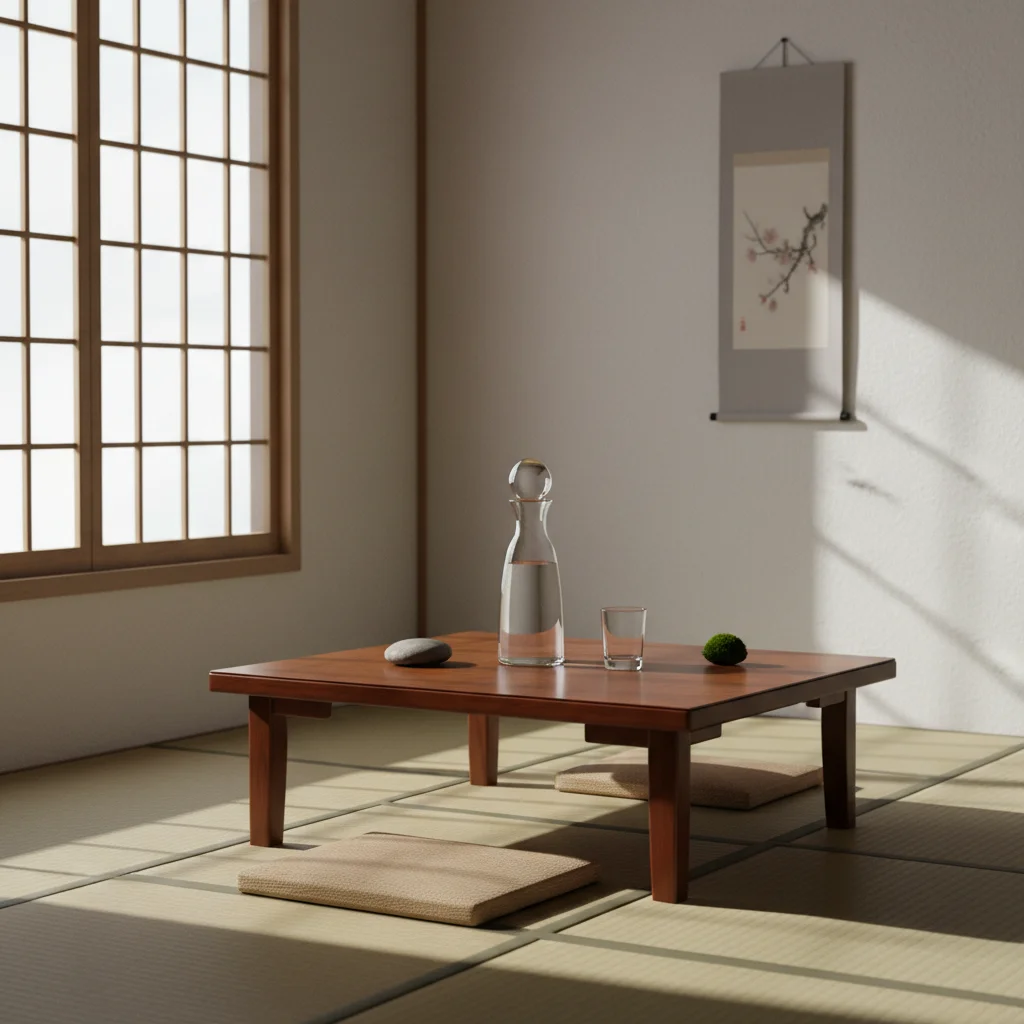
- Create Ritual, Not Routine: Treat your hydration moments with intention. Use a beautiful glass, take a mindful pause, and appreciate the act of nourishing your body. This mindful approach can be as beneficial for mental clarity as certain best brain health supplements are for cognitive support.
- Stay Consistently Hydrated: Carry a reusable bottle and sip throughout the day, rather than chugging large amounts infrequently.
Important Considerations and Potential Risks
While increasing water intake is generally safe, it’s wise to be informed.
* Alkaline Water Caution: Excessive consumption of high-pH alkaline water may disrupt the stomach’s natural acidity, which is crucial for digestion and killing pathogens. Individuals with kidney disease should consult a doctor before making significant changes to mineral or electrolyte intake.
* Hyponatremia: Though rare, drinking extremely large quantities of water in a short time can dilute sodium levels in the blood, a dangerous condition. Listen to your body’s thirst cues.
* Quality is Key: The source matters. Whether from a tap or a bottle, ensure your water is free from harmful contaminants. For insights into how what you consume affects your body’s systems, you can explore resources like our guide on blood sugar levels.
Conclusion: The Essence of Japanese Water
Ultimately, the true lesson of Japanese water is about consciousness and quality. It’s a practice that elevates simple hydration to a form of self-respect and preventive care.
By choosing clean water, drinking it consistently and mindfully, and perhaps adopting a simple morning ritual, you harness the core principle: that wellness is built daily through small, intentional acts. Therefore, consider this not a trend, but a timeless approach to nourishing the foundation of your health.
Disclaimer: This article is for informational purposes only and is not a substitute for professional medical advice. Always consult with a healthcare provider regarding any health concerns or before making major changes to your diet or hydration habits.

