
Lie Bumps: Common Causes & Home Remedies
Lie Bumps: Unpacking the Truth About Transient Lingual Papillitis
Have you ever suddenly felt a small, painful bump on your tongue that appeared out of nowhere? If so, you’ve likely experienced the common but poorly understood phenomenon known as “lie bumps.” Medically termed transient lingual papillitis (TLP), these tiny irritations can cause significant discomfort.
This guide will explain what lie bumps are, explore their potential causes, and provide actionable remedies to help you find relief quickly.
What Are Lie Bumps? 🤔
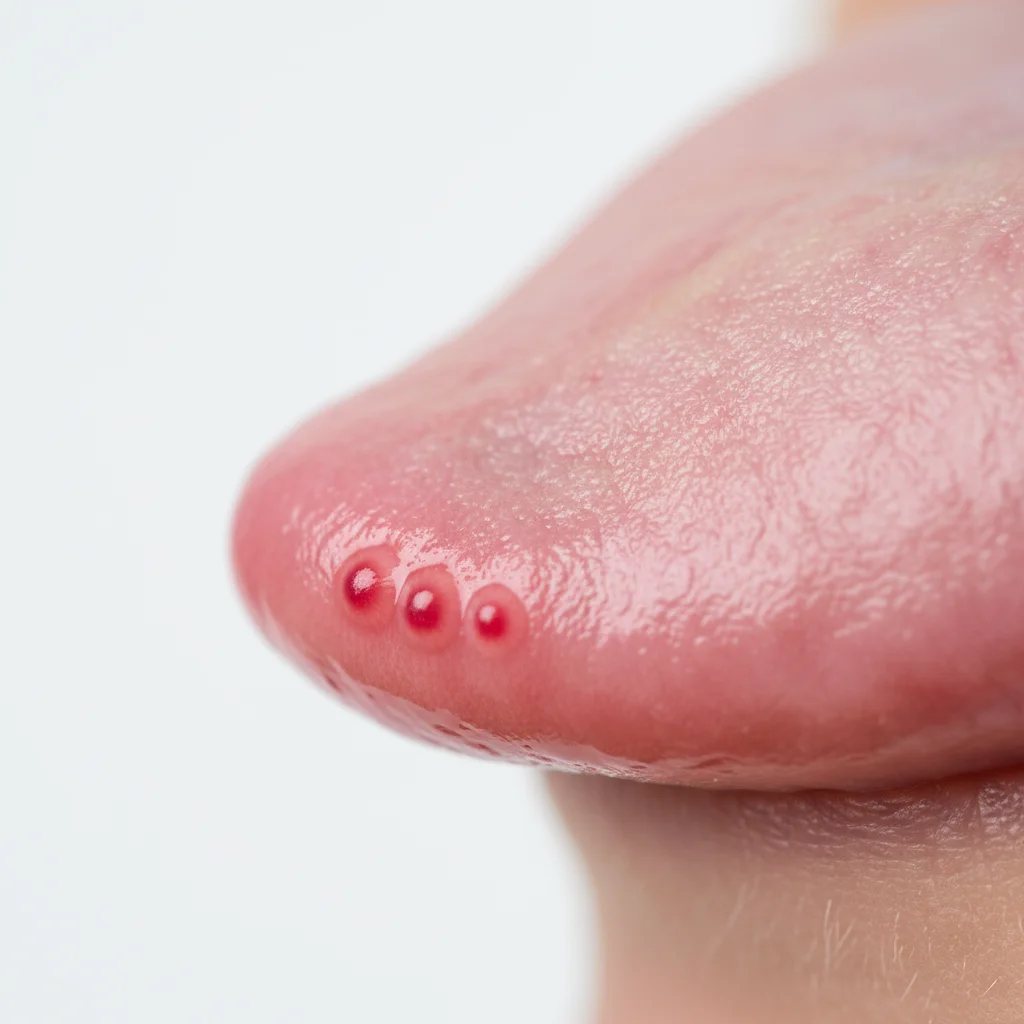
Lie bumps are small, inflamed, and often tender or painful bumps that appear on the top surface of the tongue. They specifically affect the fungiform papillae, which are the small, mushroom-shaped structures that house your taste buds. Consequently, the condition is not a lie told by your body but a real, albeit temporary, inflammatory response.
The name “lie bumps” is rooted in an old folk myth that they appeared as a punishment for telling a falsehood. In reality, they are a benign and common oral condition. An episode typically lasts from a few hours to a couple of days and usually resolves without any medical intervention.
Common Causes and Triggers of Lie Bumps
Understanding what triggers transient lingual papillitis is the first step toward prevention and management. The exact cause isn’t always clear, but several factors are strongly associated with outbreaks.
- Local Irritation or Trauma: Accidentally biting your tongue, burning it on hot food, or scratching it with a rough-edged food (like a chip) can inflame the papillae.
- Dietary Factors: Consuming highly acidic foods (citrus fruits, tomatoes), salty snacks, or spicy foods can irritate the tongue’s sensitive surface.
- Stress and Hormonal Fluctuations: Emotional stress and hormonal changes are frequently linked to outbreaks, which may explain why some people experience them more during busy or anxious periods.
- Gastrointestinal Upset: Some individuals report lie bumps appearing alongside digestive issues or symptoms of strep throat, suggesting a systemic link.
- Nutritional Deficiencies: Although less common, a lack of certain B vitamins or iron could potentially contribute to tongue inflammation.
Lie Bumps vs. Other Tongue Conditions
It’s important to distinguish TLP from other issues. Unlike canker sores, lie bumps are directly on the papillae. Moreover, they are not the same as a condition called “geographic tongue,” which causes smooth, map-like patches. If you’re concerned about persistent mouth issues, exploring the best brain health supplements can be part of a holistic approach to nervous system health, which governs our stress response.
Symptoms and Identification: What Do Lie Bumps Look and Feel Like?
Recognizing lie bumps is fairly straightforward. Here are the hallmark signs:
- Appearance: Small (1-2mm), red or white bumps on the tip or sides of the tongue.
- Sensation: They range from a mild tingling or burning feeling to significant pain or tenderness.
- Texture: The affected papillae may feel swollen or raised.
- Duration: Discomfort is usually most intense in the first 24-48 hours before subsiding.
Effective Home Remedies and Treatment Options
Fortunately, most cases of transient lingual papillitis can be managed effectively at home. The primary goals are to reduce inflammation, soothe pain, and avoid further irritation.
Immediate Soothing Strategies:
* Cold Compress: Sucking on an ice chip or applying a cold compress to the tongue can numb the area and reduce swelling.
* Salt Water Rinse: Rinsing your mouth with warm salt water several times a day is a classic, effective remedy. It helps cleanse the area and reduce inflammation.
* Dietary Modifications: Stick to bland, soft, cool foods. Avoid spicy, acidic, salty, or crunchy foods until the bumps heal. For ideas on gentle nutrition, you might consider zero carb drinks or other non-irritating beverages.
* Hydration: Drink plenty of cool water to stay hydrated and help flush irritants from your mouth.
* Over-the-Counter Pain Relief: If pain is significant, oral gels designed for mouth sores or over-the-counter pain relievers like ibuprofen can provide temporary relief.
Prevention Tips for Future Episodes
While you can’t always prevent lie bumps, you can minimize risk:
* Eat slowly and carefully to avoid biting your tongue.
* Allow hot foods and beverages to cool slightly.
* Manage stress through relaxation techniques.
* Maintain a balanced diet rich in vitamins and minerals.
When to See a Doctor or Dentist
Lie bumps are almost always harmless and self-limiting. However, you should consult a healthcare professional if you experience:
* Bumps that last longer than a week without improvement.
* Extremely severe pain that interferes with eating or drinking.
* Frequent, recurrent outbreaks.
* Bumps that are accompanied by a fever, widespread rash, or other systemic symptoms.
* Any doubt about the diagnosis—to rule out other conditions like oral thrush, viral infections, or allergic reactions.
Persistent mouth sores can sometimes be linked to broader health or nutritional concerns. For instance, some individuals explore supplements like the Advanced Mitochondrial Formula to support cellular health, though it’s crucial to consult a doctor for personalized advice.
The Bottom Line: Don’t Let Lie Bumps Fool You
In conclusion, lie bumps, or transient lingual papillitis, are a common, short-lived, and generally harmless inflammation of the tongue’s taste buds. They are typically triggered by local irritation, diet, or stress. Therefore, management focuses on soothing remedies and avoiding aggravating factors. Most importantly, they resolve on their own. By understanding their causes and having a few reliable sore throat remedies and oral care strategies in your toolkit, you can quickly ease the discomfort and get back to enjoying your meals without a second thought.

