
Muffin Top vs Love Handles: Trim Down
Muffin Top vs Love Handles: Understanding Your Body’s Stubborn Fat
If you’ve ever felt frustrated by stubborn pockets of fat that seem resistant to diet and exercise, you’re not alone. Two of the most common trouble zones people mention are the “muffin top” and “love handles.” While these terms are often used interchangeably, they actually describe fat deposits in different locations with different underlying causes. Understanding the distinction is the crucial first step toward developing an effective strategy to reduce them. This guide will break down the muffin top vs love handles debate, providing clear definitions, causes, and actionable solutions.
What is a Muffin Top? 🧁
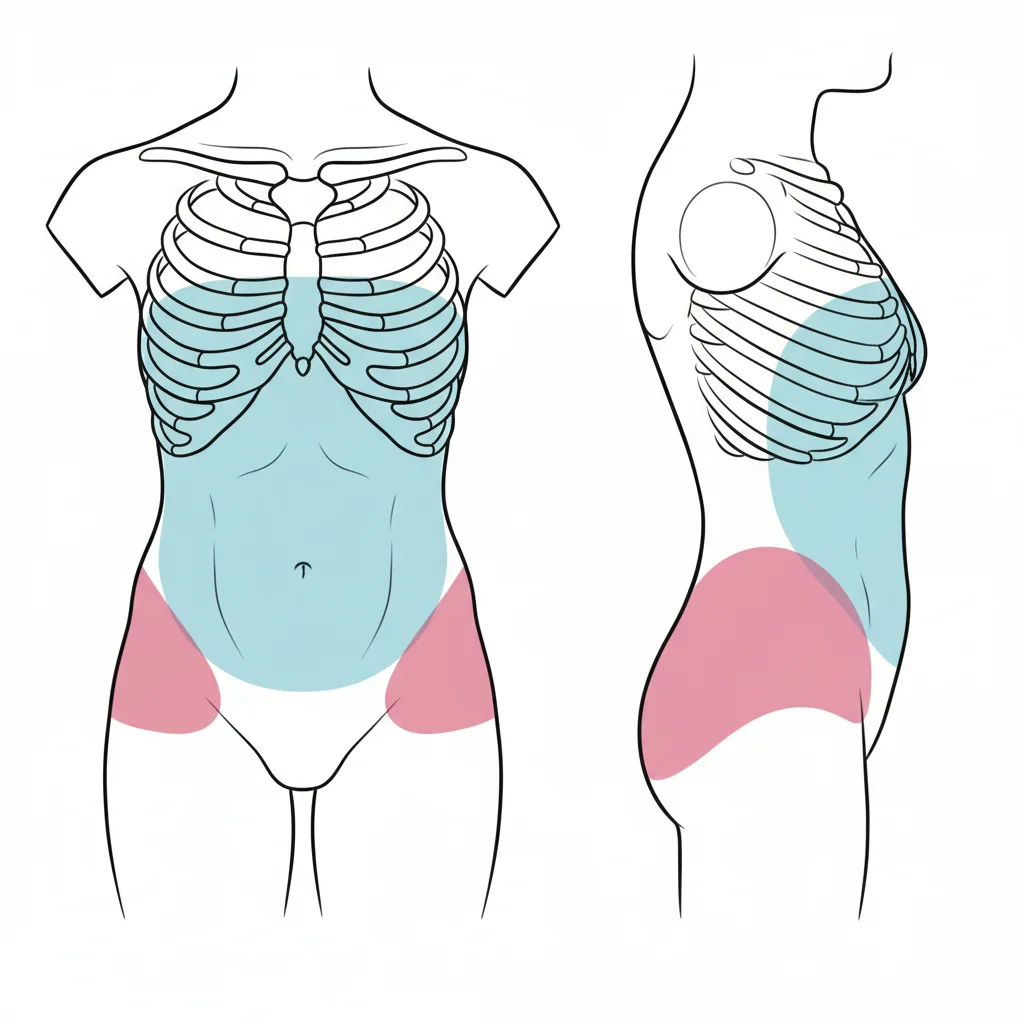
A “muffin top” refers to the roll of fat that spills over the waistband of tight pants or skirts, typically at the front and sides of the abdomen. Visually, it resembles the top of a muffin overflowing its paper casing. This fat accumulation is primarily located in the subcutaneous abdominal area and is often associated with visceral fat deeper within the abdominal cavity.
Primary Characteristics:
* Location: Concentrated around the upper abdomen and sides, directly above the hip bones.
* Shape: Spills over clothing, creating a noticeable overhang.
* Common Causes: A sedentary lifestyle, a diet high in refined carbohydrates and sugars, hormonal changes (especially cortisol from stress), and genetic predisposition to store fat in the midsection.
What Are Love Handles? ❤️
“Love handles” specifically describe the pockets of fat that sit on the sides of the waist, just above the hips. They are pinched from the back and sides and are composed almost entirely of subcutaneous fat. The term humorously suggests a place for a partner to hold onto, but for many, they are a source of cosmetic concern.
Primary Characteristics:
* Location: Focused on the flanks, between the bottom of the rib cage and the top of the pelvis.
* Shape: Bulges on the sides that can be grasped with the hands.
* Common Causes: Similar to muffin tops, including calorie surplus, lack of exercise, and genetics. However, they can be particularly stubborn due to the body’s fat storage patterns and lower blood flow in this area.
Muffin Top vs Love Handles: A Side-by-Side Comparison
To clearly visualize the differences, refer to the table below.
| Feature | Muffin Top | Love Handles |
|---|---|---|
| Primary Location | Upper abdomen, spilling over the front & sides | Flanks (sides), just above the hips |
| Fat Type | Often a mix of subcutaneous & visceral fat | Primarily subcutaneous fat |
| Visual Effect | Overhang above pants waistband | Bulges on the sides, visible from back |
| Common Clothing Issue | Spills over tight waistbands | Creates bulge under fitted shirts/dresses |
| Key Contributing Factors | High-sugar diet, high stress, bloating, sedentary job | Overall calorie surplus, lack of targeted activity, genetics |
Why Spot Reduction is a Myth (And What Actually Works)
Before diving into solutions, a critical reality check is necessary. You cannot spot-reduce fat from one specific area. Doing endless side bends will not magically melt love handles, just as countless crunches won’t dissolve a muffin top. Fat loss occurs systematically across the body based on genetics and hormones. Consequently, your strategy must be holistic.
The proven formula involves a combination of:
1. A Calorie-Deficit Diet: Consuming fewer calories than you burn is non-negotiable for fat loss. Focus on whole foods, lean protein, fiber, and healthy fats.
2. Full-Body Strength Training: Building muscle increases your resting metabolism, helping you burn more calories around the clock. Compound movements like squats, deadlifts, and rows are highly effective.
3. Cardiovascular Exercise: A mix of HIIT (High-Intensity Interval Training) and steady-state cardio helps create the necessary calorie deficit.
4. Stress Management & Sleep: High cortisol (the stress hormone) can promote abdominal fat storage. Prioritizing sleep and relaxation techniques is crucial. For more on managing bodily changes, you might explore our article on what is a FUPA, which addresses another common area of concern.
5. Hormonal Health: Imbalances in insulin, cortisol, or sex hormones can influence fat storage. If you suspect an issue, consulting a healthcare professional is advised.
Targeted Exercises for a Stronger Core & Waistline
While you can’t spot-reduce, you can spot-strengthen. Building the underlying muscles in your core and obliques can improve posture, tighten your midsection, and create a more defined silhouette as you lose overall body fat.
For Overall Core & Muffin Top Area:
* Planks and Variations: Builds endurance in the entire core, including the transverse abdominis (your body’s natural corset).
* Dead Bugs: Excellent for core stability and preventing lower back arching.
* Leg Raises: Targets the lower abdominal region.
For Obliques & Love Handle Area:
* Russian Twists: Engages the oblique muscles directly.
* Side Planks: Strengthens the obliques and improves lateral stability.
* Wood Choppers: A dynamic movement that works the entire core, with emphasis on the obliques.
The Role of Nutrition and Lifestyle
Exercise alone is insufficient. Nutrition is the cornerstone of fat loss.
- Reduce Refined Carbs and Sugars: These spike insulin, a hormone that promotes fat storage, particularly in the abdominal area.
- Increase Protein Intake: Protein boosts metabolism, increases satiety, and helps preserve muscle mass during weight loss.
- Stay Hydrated: Often, water retention can exaggerate the appearance of both muffin tops and love handles.
- Mind Your Alcohol: “Empty” calories from alcohol can contribute significantly to abdominal fat, sometimes referred to as a “beer belly.”
Additionally, supporting your body’s foundational health can impact energy and metabolism. For instance, some explore supplements designed for cellular energy; you can read a detailed analysis in our Advanced Mitochondrial Formula review.
Conclusion: A Unified Approach Wins
In the matchup of muffin top vs love handles, the winner is a comprehensive health strategy. Remember, the difference is primarily one of location on a map of stubborn fat. The path to reducing both is remarkably similar: a consistent calorie deficit achieved through mindful nutrition, a balanced exercise regimen that builds muscle, and a lifestyle that manages stress and prioritizes sleep. Be patient with your body, focus on non-scale victories like improved strength and better-fitting clothes, and celebrate the journey to a healthier you.