
Plant Based Yogurt Alternatives Guide
Your Complete Guide to Plant Based Yogurt Alternatives
The world of dairy-free eating has expanded dramatically, and plant based yogurt alternatives are at the forefront of this delicious revolution. Whether you’re lactose intolerant, vegan, or simply looking to diversify your gut health foods, these creamy substitutes offer a fantastic way to enjoy a classic food. This guide will explore the most popular options, their nutritional profiles, and how to choose the best one for your needs.
Why Choose Plant Based Yogurt?
Firstly, opting for a plant-based yogurt is a powerful dietary choice for many reasons. For individuals with lactose intolerance or a milk allergy, these products provide a comfortable and symptom-free way to enjoy yogurt. Moreover, they align perfectly with vegan and plant-forward lifestyles. From an environmental perspective, plant-based options generally have a lower carbon and water footprint compared to conventional dairy. Consequently, making the switch can be a simple step towards more sustainable eating habits.
Top Plant Based Yogurt Alternatives Compared
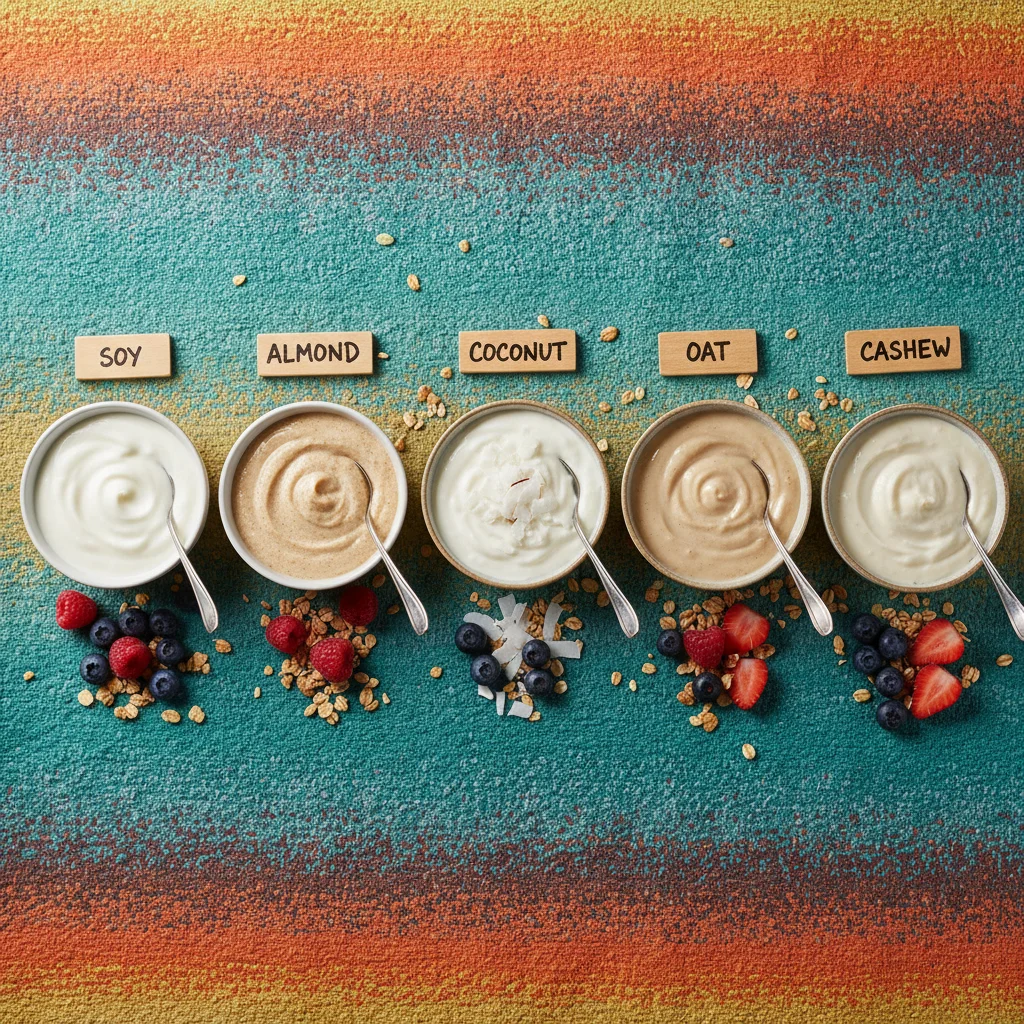
Navigating the yogurt aisle can be overwhelming. Therefore, to simplify your choice, here’s a detailed comparison of the most common plant-based yogurt bases.
| Yogurt Base | Key Nutritional Profile | Best For | Texture & Flavor Notes |
|---|---|---|---|
| Soy Yogurt | High in protein (5-10g per serving), often fortified with calcium & vitamin D. | Those seeking a protein-rich, nutrient-dense alternative closest to dairy. | Creamy, thick, and tangy. A classic, versatile choice. |
| Almond Yogurt | Typically lower in calories and protein; higher in vitamin E. | Individuals watching calorie intake or who enjoy a nutty, light flavor. | Can be slightly thin or gelatinous; mild, nutty taste. |
| Coconut Yogurt | Higher in saturated fat, but provides medium-chain triglycerides (MCTs). Low in protein. | A rich, indulgent treat or for those avoiding nuts and soy. | Extremely creamy, rich, with a distinct tropical flavor. |
| Oat Yogurt | Good source of soluble fiber (beta-glucans), often low in protein unless fortified. | People prioritizing heart and digestive health; has a neutral, sweet flavor. | Naturally thick and smooth, slightly sweet. |
| Cashew Yogurt | Contains healthy fats, iron, and magnesium. Protein content varies. | A luxuriously creamy option for sauces, dips, or desserts. | Exceptionally rich, velvety, and less tangy than others. |
Key Nutritional Considerations
When selecting a plant based yogurt, it’s crucial to read the label carefully. Many alternatives, while delicious, can vary widely in their nutritional benefits.
Protein Content: Soy yogurt is generally the winner here, making it an excellent post-workout food. Other types, like coconut or oat, are often low in protein unless specifically fortified. Therefore, if protein is a priority, check the nutrition facts panel.
Added Sugars: This is a common pitfall. Flavored varieties can contain as much sugar as a dessert. To maximize health benefits, always opt for unsweetened, plain versions and add your own fruit or a drizzle of honey. For a naturally sweet addition, consider learning about the nutritional value of graham crackers for pairing ideas.
Fortification: A significant benefit of dairy yogurt is its calcium and vitamin D content. Fortunately, many high-quality plant-based brands are now fortified with these essential nutrients, along with B12. Always choose fortified options to ensure you’re not missing out.
Live Cultures: The primary reason many people eat yogurt is for probiotics. Ensure your plant-based pick contains “live and active cultures” to support your gut health.
How to Use Plant Based Yogurts in Your Diet
The versatility of these yogurts is a major advantage. You can use them as a direct 1:1 substitute for dairy yogurt in most applications.
- Breakfast: Create a parfait with granola and berries, or blend into a smoothie for creaminess.
- Savory Cooking: Use plain, unsweetened soy or almond yogurt as a base for dips, dressings, or as a tangy topping for soups and curries instead of sour cream.
- Baking: They can successfully replace dairy yogurt in muffins, cakes, and pancakes to add moisture.
- Simple Snack: Enjoy a bowl with a sprinkle of nuts and seeds for a balanced snack. For an extra health boost, consider adding ingredients rich in antioxidants for prostate health, like walnuts or pomegranate seeds, which benefit overall wellness.
Making the Right Choice for You
Ultimately, the “best” plant based yogurt alternative is highly personal. If your goal is high protein, seek out soy or fortified options. If you desire a gut-health focus with extra fiber, oat yogurt is a superb choice. For culinary luxury, cashew or coconut yogurts are unparalleled. Start by trying small containers of different types to discover your favorite flavor and texture profile.
The market for plant-based foods continues to grow, offering more variety and higher quality than ever before. By understanding the differences between these alternatives, you can make an informed, delicious choice that supports your health and dietary preferences.

