
Red vs White Wine Guide
Red vs White Wine: A Complete Comparison Guide
Choosing between a glass of rich Cabernet Sauvignon and a crisp Sauvignon Blanc is a delightful dilemma. While both are celebrated beverages, red and white wine differ fundamentally in production, flavor, health impact, and culinary use. Understanding these differences can enhance your appreciation and help you select the perfect bottle for any occasion.
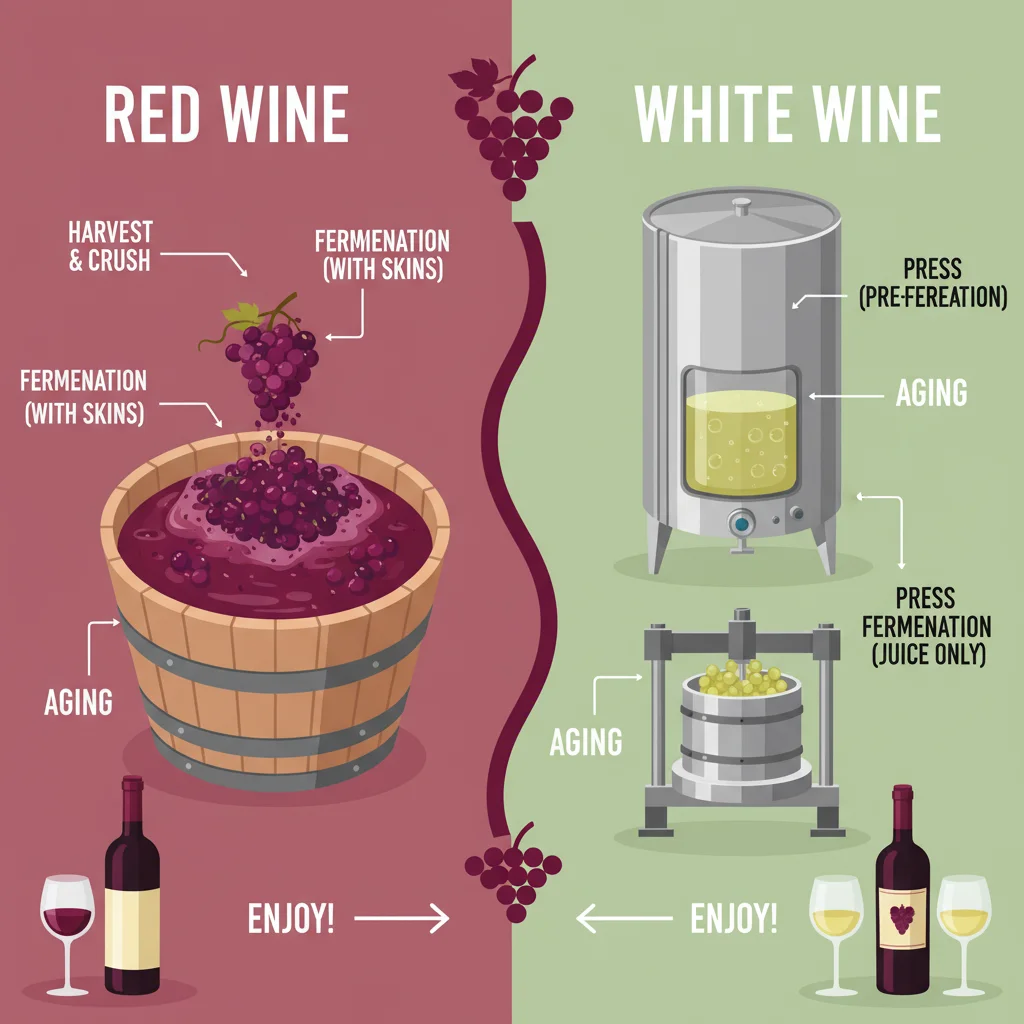
The Fundamental Difference: How Red and White Wine Are Made
The primary distinction lies not in the grape color itself, but in the winemaking process. Consequently, this process dictates everything from taste to potential health effects.
- Red Wine is made by fermenting dark-colored grape varieties with their skins and seeds. This prolonged contact, called maceration, extracts tannins, color pigments (anthocyanins), and many of the compounds linked to health benefits. Therefore, red wines are typically bolder and more complex in structure.
- White Wine is generally made by fermenting the juice of grapes without the skins and seeds. It can be produced from both white and red grapes (provided the red grape skins are removed quickly). This results in a lighter-bodied wine with brighter acidity and fruit-forward flavors.
Flavor Profile and Body: A Taste Comparison
Your personal preference will largely depend on the sensory experience you enjoy. Here’s a breakdown of what to expect:
| Characteristic | Red Wine 🍷 | White Wine 🥂 |
|---|---|---|
| Typical Flavors | Dark fruits (blackberry, plum), cherry, chocolate, oak, pepper, earthy notes | Citrus (lemon, lime), green apple, pear, peach, tropical fruits, floral notes |
| Body & Mouthfeel | Medium to Full-bodied; often has a drying, grippy sensation from tannins | Light to Medium-bodied; typically crisp and refreshing with higher acidity |
| Serving Temperature | Cool Room Temp (60-68°F / 15-20°C) | Chilled (45-55°F / 7-13°C) |
| Common Varietals | Cabernet Sauvignon, Pinot Noir, Merlot, Shiraz/Syrah | Chardonnay, Sauvignon Blanc, Pinot Grigio, Riesling |
Health Benefits and Considerations
Moderate wine consumption (one glass per day for women, up to two for men) has been associated with certain health benefits, primarily due to antioxidant content. However, the antioxidant profile differs significantly.
Red Wine’s Claim to Fame: Resveratrol
Red wine is famously studied for its resveratrol content, an antioxidant found in grape skins. Research, such as that cited by the National Institutes of Health (NIH), suggests resveratrol may support heart health by improving cholesterol levels and protecting blood vessels. Additionally, the diverse polyphenols in red wine contribute to its antioxidant capacity.
White Wine’s Advantages
While lower in resveratrol, white wine contains other beneficial antioxidants like tyrosol and hydroxytyrosol. Moreover, its generally lower alcohol and calorie content can be a consideration for some. It’s also worth noting that certain herbal infusions, like peppermint tea, offer a completely non-alcoholic way to enjoy antioxidant benefits.
Critical Note: These potential benefits are linked to moderate consumption. Excessive intake negates any benefits and poses serious health risks. Always consult with a healthcare professional regarding alcohol use.
Perfect Pairings: Matching Wine with Food
The structural components of each wine make them suited to different dishes.
- Red Wine Pairings: The tannins and bold flavors complement rich, fatty, and savory foods. Tannins bind to proteins, cleansing the palate. Think grilled steak, roasted lamb, mushroom dishes, and aged cheeses. For a hearty meal, a robust red is a classic choice.
- White Wine Pairings: Higher acidity and lighter body make white wine ideal for cutting through richness and matching delicate flavors. Perfect partners include seafood, poultry, creamy pasta, salads, and soft cheeses like goat cheese. A crisp white is also a superb aperitif.
Which Wine Should You Choose?
Your choice ultimately depends on context and personal taste.
* Choose Red Wine if: You prefer bold, complex flavors; are eating red meat or hearty stews; or are seeking the specific antioxidant profile associated with red grapes.
* Choose White Wine if: You enjoy light, crisp, and refreshing drinks; are pairing with seafood, chicken, or light appetizers; or prefer a less tannic, more acidic profile.
Furthermore, exploring other lifestyle supplements, such as an advanced mitochondrial formula, can be part of a broader approach to wellness, though they serve entirely different purposes than dietary enjoyment.
Final Verdict
Both red and white wine have unique places in the world of gastronomy and culture. There is no objective “better” choice—only the right choice for your meal, mood, and health considerations. The best approach is to enjoy both styles mindfully and in moderation, appreciating the vast diversity each has to offer.