
Raw Honeycomb: Benefits & How to Eat
Raw Honeycomb: Nature’s Edible Masterpiece
Have you ever wondered what honey looks like in its most pristine, unprocessed state? Raw honeycomb is the answer—a stunning, geometric wonder produced by bees, containing pure honey, beeswax, and a host of natural compounds. Unlike the filtered honey in a bear-shaped bottle, honeycomb offers a unique textural experience and a more complete nutritional profile.
This guide delves into the fascinating world of raw honeycomb, exploring its benefits, uses, and how you can incorporate this ancient food into your modern diet.
What is Raw Honeycomb?
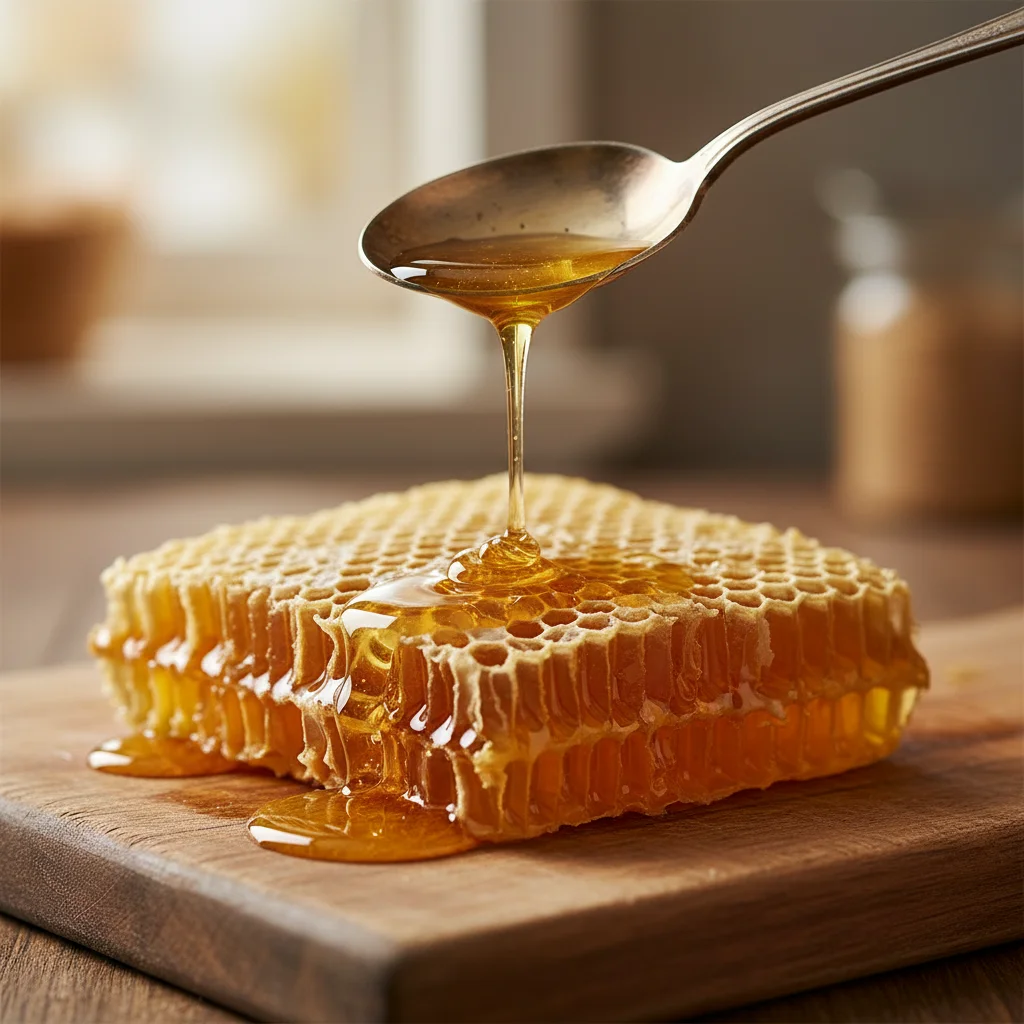
Raw honeycomb is the natural storage unit built by honeybees from beeswax. Within its hexagonal cells, bees store their honey and raise their young. When we consume raw honeycomb, we are eating the entire structure: the raw, unfiltered honey and the edible beeswax.
This is a crucial distinction from commercial liquid honey, which is typically heated, filtered, and separated from the wax. Consequently, raw honeycomb retains more of its natural enzymes, antioxidants, and pollen.
Nutritional Profile & Key Components
Understanding what’s inside raw honeycomb helps explain its potential benefits. Its composition is a synergistic blend of bee-derived elements.
| Component | Description & Potential Role |
|---|---|
| Raw Honey | Contains natural sugars, enzymes (like amylase), antioxidants, vitamins, and trace minerals. It is a prebiotic, feeding beneficial gut bacteria. |
| Beeswax | Comprised of fatty acids, long-chain alcohols, and hydrocarbons. The wax is edible and may aid in digestive health by acting as a gentle cleanser. |
| Bee Pollen | Traces found in raw honeycomb are packed with proteins, vitamins, and amino acids, potentially supporting energy and immune function. |
| Propolis | A resin-like material bees use as “bee glue.” It has antimicrobial properties and is a rich source of flavonoids. |
| Royal Jelly | Present in trace amounts, this substance is fed to queen bees and is nutrient-dense. |
Top Health Benefits of Raw Honeycomb
Consuming raw honeycomb offers a range of potential health advantages because it is a whole, unprocessed food. Firstly, its antioxidant properties are noteworthy; the flavonoids and phenolic acids in raw honey can help combat oxidative stress in the body. Moreover, some studies suggest that raw honey may support heart health by helping to improve cholesterol levels.
Secondly, raw honeycomb is renowned for its soothing properties for the throat and respiratory system. The thick texture of the honey coats the throat, while its antimicrobial elements may provide relief. For more targeted sore throat remedies, you can explore our guide on the best tea for sore throat.
Additionally, the beeswax in honeycomb contains long-chain fatty acids and alcohols. These compounds may offer gentle digestive support, potentially acting as a mild laxative for some individuals. Furthermore, the presence of natural pollen may help desensitize seasonal allergies when consumed locally, although scientific evidence is mixed. Always consult a doctor for serious allergies.
How to Eat and Use Raw Honeycomb
The beauty of raw honeycomb lies in its versatility. Here’s how to enjoy it:
- Eat It Straight: Simply cut a small piece and enjoy it as a chewy, sweet snack. You can chew the wax like gum and swallow it or spit it out after the honey is gone.
- Spread It: Use a knife to spread honeycomb on warm toast, pancakes, or biscuits. The warmth softens the wax, making it a delightful topping.
- Cheese Board Star: Pair it with strong cheeses (like aged cheddar or blue cheese), nuts, and fruits for a gourmet appetizer.
- Sweeten Beverages: Drop a small chunk into hot tea or warm milk. It will slowly melt, sweetening your drink naturally.
- DIY Skincare: While primarily a food, some use a tiny amount of pure beeswax from honeycomb in homemade balms. For internal wellness support, some turn to targeted supplements, such as those reviewed in our Prostavive review.
Important Considerations & Safety
While raw honeycomb is a natural food, certain precautions are essential.
- Not for Infants: Raw honey (including in comb) can contain Clostridium botulinum spores, which are dangerous for children under one year old. Consequently, never give honeycomb to infants.
- Allergies: If you are allergic to bee venom or pollen, exercise caution. Start with a very small amount.
- Source Matters: Always purchase raw honeycomb from reputable, local beekeepers if possible. This ensures quality and supports sustainable beekeeping practices. Look for comb that is clean, sealed, and free from debris.
- Blood Sugar: As a concentrated source of natural sugars, individuals monitoring blood sugar levels, such as those with diabetes, should consume it in moderation. For more on managing glucose, our blood sugar levels guide offers helpful information.
Where to Buy and How to Store
You can find raw honeycomb at local farmers’ markets, health food stores, and directly from apiaries online. When selecting, look for a light to golden color and a fresh, floral scent.
To store it, keep honeycomb in an airtight container at room temperature, away from direct sunlight. Properly stored, it can last for years, although the honey may eventually crystallize—a natural process that does not indicate spoilage.
Final Thoughts
Raw honeycomb is more than just a sweet treat; it’s a direct connection to the intricate work of honeybees and a nutrient-rich whole food. From its potential antioxidant and soothing benefits to its unique culinary uses, it offers an experience far beyond ordinary honey. Therefore, by seeking out a high-quality source and enjoying it mindfully, you can savor one of nature’s most remarkable creations.

