
Turmeric & Ginger Health Benefits
The Powerful Health Benefits of Turmeric and Ginger
For centuries, turmeric and ginger have been revered in traditional medicine systems like Ayurveda. Today, modern science is catching up, confirming what ancient healers long knew: these vibrant roots are a formidable duo for health. While each boasts impressive individual properties, their combined effects can be particularly potent. This post will explore the science-backed benefits of incorporating turmeric and ginger into your wellness routine.
Why Turmeric and Ginger Work So Well Together
Turmeric and ginger are both rhizomes, meaning they are underground stems. They share a family tree (Zingiberaceae) and, consequently, some powerful bioactive compounds. The synergy between them is key. Turmeric’s star component is curcumin, a polyphenol with strong anti-inflammatory properties. Ginger’s primary active compounds are gingerols and shogaols. When combined, they can enhance each other’s absorption and efficacy, creating a broader spectrum of health effects. For instance, ginger may help improve the bioavailability of curcumin, which is notoriously difficult for the body to absorb on its own.
Top Health Benefits of the Turmeric-Ginger Combination
1. Potent Anti-Inflammatory and Antioxidant Effects
Chronic inflammation is a root cause of many modern diseases. Both spices are celebrated for their ability to combat it. Curcumin in turmeric modulates inflammatory pathways at a molecular level, while gingerols in ginger inhibit the synthesis of pro-inflammatory cytokines. Consequently, this combination can be beneficial for managing conditions like arthritis. Moreover, their high antioxidant content helps neutralize free radicals, protecting cells from oxidative damage—a key factor in aging and disease.
2. Enhanced Digestive Support
This duo is a classic remedy for digestive woes. Ginger is well-known for alleviating nausea, motion sickness, and indigestion by speeding up gastric emptying. Turmeric, meanwhile, can stimulate bile production, which aids in the digestion of fats. Therefore, consuming turmeric and ginger tea after a meal may soothe bloating and promote smoother digestion. For more on managing bodily processes, you might explore our guide on understanding blood sugar levels.
3. Immune System and Pain Relief
Ginger has warming properties and can promote healthy sweating, which is sometimes helpful during a fever. Both spices possess antimicrobial qualities. Additionally, their anti-inflammatory action directly translates to pain relief, particularly for muscle soreness after exercise and osteoarthritis-related joint discomfort. A review published in the Journal of Medicinal Food concluded that ginger supplementation was effective for pain management.
4. Potential Cognitive and Heart Health Benefits
Emerging research suggests curcumin may support brain health by crossing the blood-brain barrier and helping to clear amyloid plaques associated with Alzheimer’s disease. Ginger may contribute to heart health by helping to lower LDL cholesterol and blood pressure. Together, their anti-inflammatory and antioxidant effects support the endothelial lining of blood vessels, promoting healthy circulation.
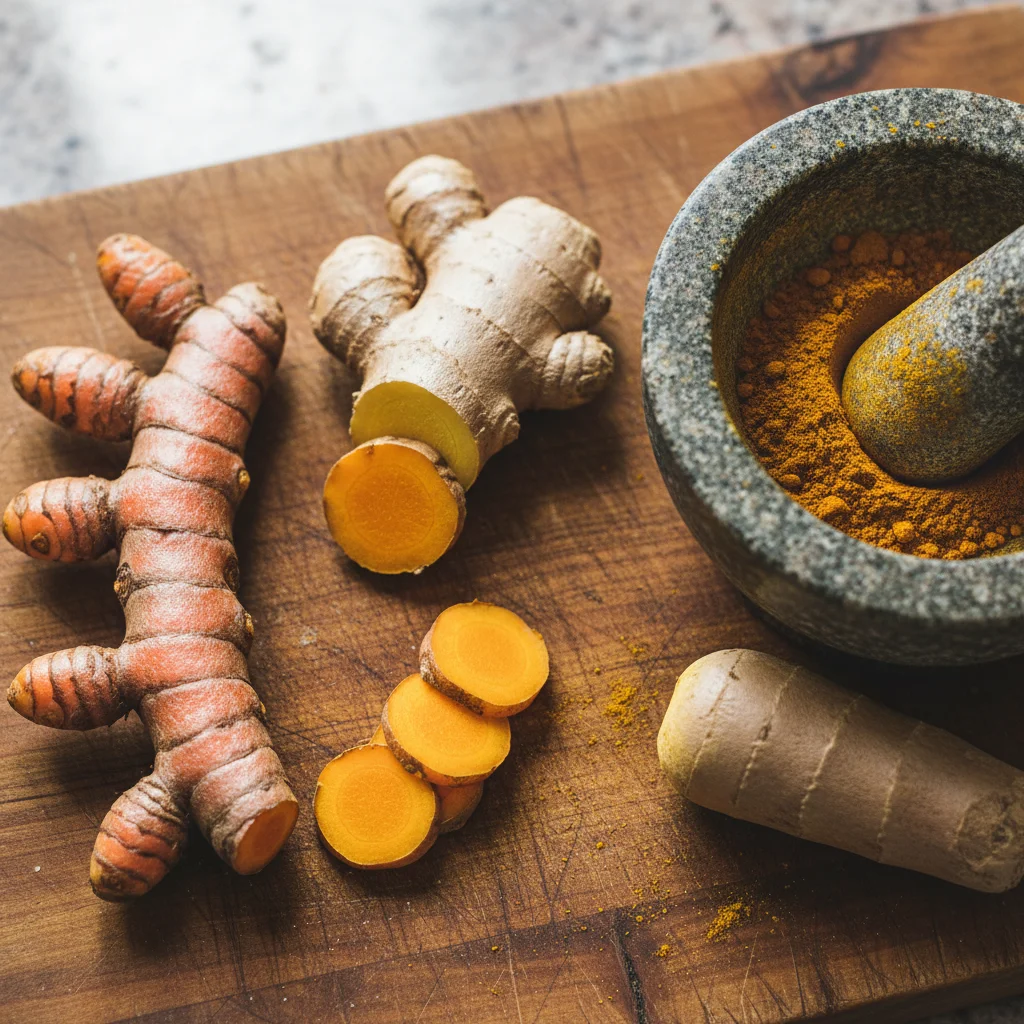
How to Incorporate Turmeric and Ginger into Your Diet
Fortunately, adding these powerful roots to your daily life is simple and delicious. Here are some popular methods:
| Method | How-To & Tips |
|---|---|
| Golden Milk or Latte | Warm milk (dairy or plant-based) with turmeric, ginger, black pepper (essential for curcumin absorption), and a hint of cinnamon or honey. |
| Fresh Tea or Infusion | Steep thin slices of fresh turmeric and ginger in hot water for 10 minutes. Add lemon and honey to taste. |
| In Smoothies | Add a 1-inch knob of fresh ginger and a 1-inch knob of fresh turmeric (or 1 tsp powdered each) to your favorite smoothie recipe. |
| In Cooking | Grate or use powder in curries, soups, stir-fries, lentil dishes, and even on roasted vegetables. |
| As a Supplement | High-quality capsules often pair curcumin with piperine (from black pepper) and sometimes ginger extract for convenience. |
Important Note: Always consult with a healthcare provider before starting any new supplement regimen, especially if you are on blood-thinning medication (like warfarin) or have gallbladder issues, as these spices can interact.
Key Active Compounds: A Quick Reference
Understanding what makes these spices work can help you use them more effectively.
| Spice | Key Active Compounds | Primary Actions |
|---|---|---|
| Turmeric | Curcuminoids (Curcumin) | Powerful anti-inflammatory, antioxidant, modulates cell signaling. |
| Ginger | Gingerols, Shogaols | Anti-nausea, anti-inflammatory, aids digestion, antioxidant. |
For a deeper dive into the properties of other natural foods, consider reading about the differences between raw honey vs pure honey.
Maximizing Absorption
A critical point for turmeric is that curcumin is poorly absorbed on its own. To maximize its benefits:
* Always pair with black pepper: The piperine in black pepper can enhance curcumin absorption by up to 2000%.
* Consume with healthy fats: Since curcumin is fat-soluble, take it with oils (like coconut, olive) or full-fat dairy.
* Use heat: Cooking with turmeric is safe and can help integrate it into lipids.
Conclusion: A Timeless Wellness Partnership
In summary, the combination of turmeric and ginger offers a multifaceted approach to supporting health, primarily through fighting inflammation and oxidative stress. From soothing an upset stomach to protecting long-term cognitive function, this ancient pairing has earned its place in both the kitchen and the medicine cabinet. By incorporating them into your meals or beverages regularly—and remembering to add a pinch of black pepper to turmeric—you can harness their synergistic power for your well-being.
Disclaimer: This article is for informational purposes only and is not a substitute for professional medical advice, diagnosis, or treatment. Always seek the advice of your physician or other qualified health provider with any questions you may have regarding a medical condition.


One thought on “Turmeric & Ginger Health Benefits”
Comments are closed.