
Humidifier for Throat Mucus Relief
Can a Humidifier Help with Mucus in Your Throat?
That persistent, uncomfortable feeling of mucus stuck in your throat is a common complaint, often linked to colds, allergies, or dry air. While there are many sore throat remedies to consider, one of the most effective and soothing tools is often sitting on a shelf: a humidifier. This post explores how using a humidifier for mucus in the throat works, the benefits, and how to choose and use one correctly for maximum relief.
How Dry Air Worsens Throat Mucus
To understand the solution, we must first understand the problem. The mucous membranes lining your throat and sinuses need adequate moisture to function properly. Consequently, when you breathe dry air—common in winter due to heating or in arid climates—these membranes can become dehydrated.
This dryness has a direct impact on mucus. Firstly, it can cause the thin, protective mucus layer to thicken and become sticky. This thickened mucus is much harder for your body to clear naturally, leading to that sensation of a lump or persistent post-nasal drip. Moreover, dry air can irritate the membranes, triggering them to produce more mucus as a defensive response, ironically worsening the congestion you’re trying to alleviate.
The Benefits of Using a Humidifier for Throat Congestion
Introducing moisture back into the air with a humidifier addresses the root cause of dryness. Therefore, the benefits for throat mucus are significant:
- Thins Mucus: Adding humidity helps rehydrate thickened mucus, making it less viscous and easier to expel through coughing or swallowing.
- Soothes Irritation: Moist air calms inflamed and scratchy throat tissues, providing immediate comfort and reducing the urge to cough.
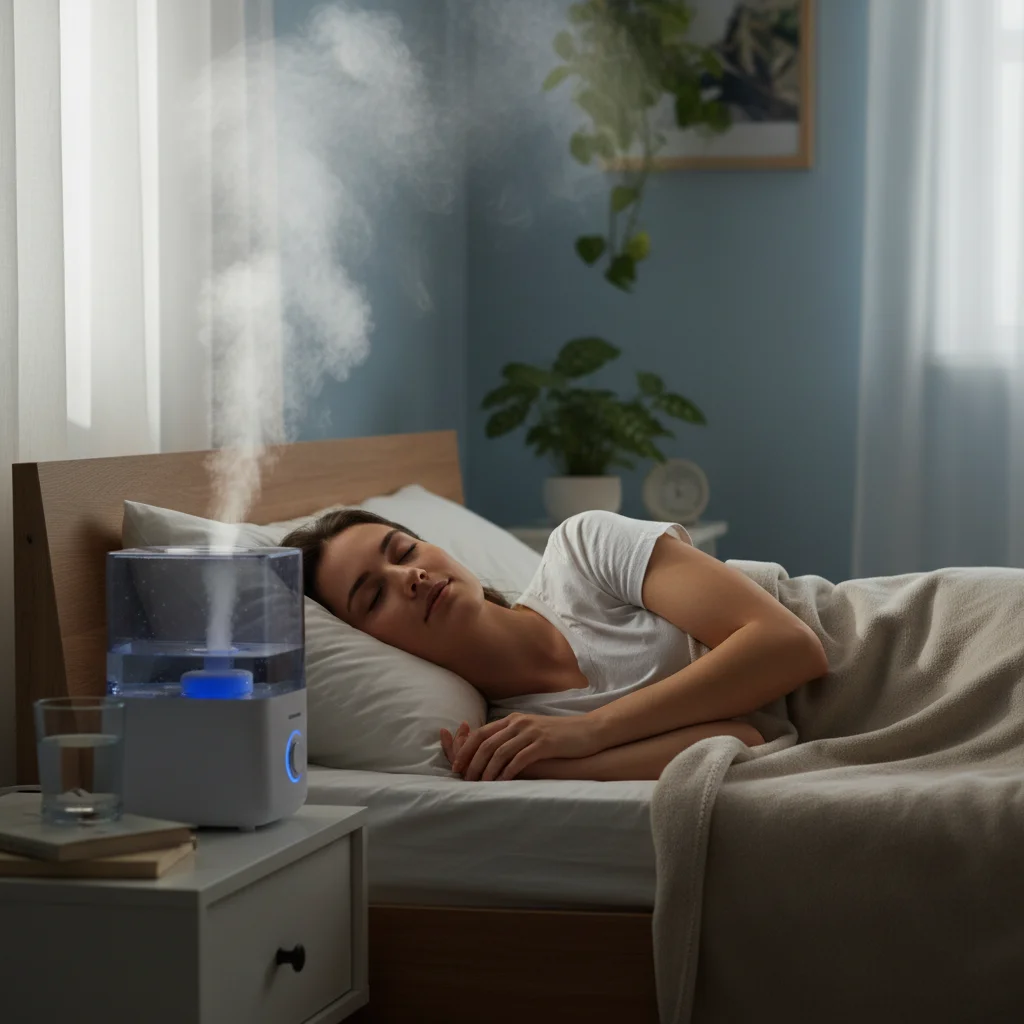
- Improves Breathing: By loosening congestion in the nasal passages and throat, a humidifier can make breathing feel easier, especially during sleep.
- Supports Natural Defenses: Properly hydrated mucous membranes are more effective at trapping dust, allergens, and viruses before they enter your respiratory system.
Choosing the Right Humidifier for Mucus Relief
Not all humidifiers are created equal. For addressing throat and respiratory issues, your primary choice is between two main types.
| Feature | Cool-Mist Humidifier | Warm-Mist Humidifier (Vaporizer) |
|---|---|---|
| How It Works | Uses a fan or ultrasonic vibrations to emit room-temperature mist. | Heats water to boil, releasing warm steam into the air. |
| Best For | General use, children’s rooms, and hot climates. | Providing a warm, soothing sensation that can feel comforting on the throat. |
| Safety | Generally safer, with no burn risk from hot water or steam. | Carries a burn risk if knocked over; not ideal for homes with young children. |
| Noise Level | Ultrasonic models are very quiet; evaporative models have a fan hum. | Typically very quiet, as the process is primarily heating. |
| Maintenance | Requires regular cleaning to prevent mold/bacteria in the tank. | The boiling process kills some microbes, but mineral buildup is common. |
For most people seeking relief from mucus, cool-mist ultrasonic humidifiers are often the recommended choice. They are energy-efficient, quiet, and safe for use around children and pets. However, some individuals find the warm, moist air from a vaporizer to be more soothing for nighttime cough and throat irritation; it can feel similar to breathing in steam from a hot shower.
How to Use a Humidifier Effectively and Safely
Simply running a humidifier isn’t enough. To get the benefits without creating new problems, follow these key practices:
- Keep It Clean: This is the most critical rule. A dirty humidifier can breed mold and bacteria, then aerosolize them into the air you breathe, potentially worsening allergies or causing illness (CDC guidelines on humidifier care). Clean the tank with a vinegar solution or manufacturer-recommended cleaner every 1-3 days.
- Use Distilled or Demineralized Water: Tap water contains minerals that create white dust (from ultrasonic models) and scale inside the unit, making it harder to clean and potentially releasing minerals into the air.
- Monitor Humidity Levels: Aim for a relative humidity level between 30% and 50%. You can use a hygrometer (a small, inexpensive humidity monitor) to check. Too much humidity (above 60%) can encourage dust mites and mold growth in your home.
- Position It Correctly: Place the humidifier on a flat, elevated surface away from walls and bedding. Ensure the mist is released into the room and not directly onto furniture or floors.
- Don’t Overdo It: Run the humidifier as needed, often during sleep or while in a room for extended periods. There’s no need to run it constantly if the humidity is already adequate.
Additional Strategies to Manage Throat Mucus
While a humidifier is a powerful tool, combining it with other approaches yields the best results. For instance:
- Stay Hydrated: Drinking plenty of water and warm liquids like chamomile tea is essential because it thins mucus from the inside out.
- Try Steam Inhalation: For immediate relief, lean over a bowl of hot water (with a towel over your head) and breathe in the steam for 5-10 minutes.
- Use Saline Sprays: Saline nasal sprays or rinses can help flush out irritants and thin nasal mucus that contributes to post-nasal drip.
- Identify Underlying Causes: If mucus is chronic, it could be related to allergies, acid reflux, or infections like strep throat. Consulting a healthcare provider is important for persistent issues.
Conclusion: A Simple Solution for a Sticky Problem
In summary, using a humidifier for mucus in the throat is a highly effective, drug-free method to restore moisture to dry airways. Because it directly combats the dry air that thickens and irritates mucus, it can provide significant relief from congestion and throat discomfort. Remember, for optimal results, choose a cool-mist model for general safety, commit to a rigorous cleaning routine, and pair its use with good hydration. Consequently, this simple appliance can be a cornerstone of your strategy for easier breathing and a more comfortable throat.

