
Top of Foot Pain Causes & Relief
Why Does the Top of My Foot Hurt?
Experiencing pain on the top of your foot can be a frustrating and limiting problem. This discomfort can range from a mild ache to sharp, debilitating pain that interferes with walking, exercise, and daily activities. Understanding the root cause is the crucial first step toward effective treatment and lasting relief. This guide will explore the most common reasons for dorsal foot pain, how to identify them, and what you can do about it.
Common Causes of Pain on the Top of Your Foot
The structure of your foot is complex, comprising bones, tendons, ligaments, and nerves. Consequently, pain on the dorsum (the top) can originate from several different issues. Here are the most frequent culprits.
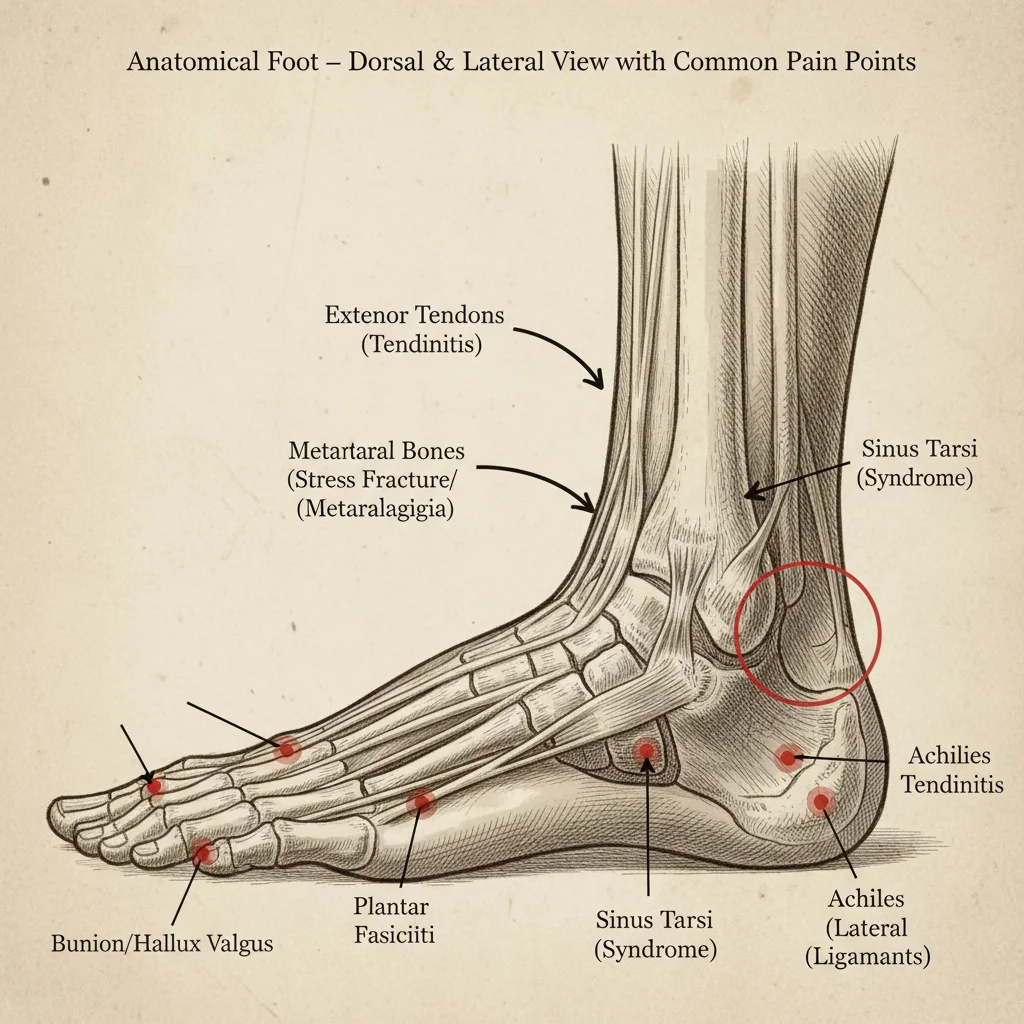
Extensor Tendonitis
This is one of the leading causes of pain across the top of the foot. Your extensor tendons run along the top of your foot, connecting the muscles in your shin to your toes. Their job is to lift your toes upward. Overuse from activities like running, hiking, or wearing improperly fitting shoes that are too tight can inflame these tendons.
Key Symptoms:
* Pain and tenderness directly along the top of the foot, often worsening with activity.
* Mild swelling or redness.
* Stiffness, particularly in the morning.
Stress Fractures
A stress fracture is a small crack in one of the foot bones, commonly the metatarsals (the long bones leading to your toes). This injury results from repetitive force or overuse, not a single traumatic event. Runners, dancers, and athletes who rapidly increase their activity level are especially prone.
Key Symptoms:
* Sharp, localized pain that intensifies during weight-bearing activity and diminishes with rest.
* Point tenderness—pain when you press on a specific spot.
* Possible swelling on the top of the foot.
Sinus Tarsi Syndrome
This condition involves pain in the sinus tarsi, a small canal between the heel bone and the ankle bone on the outside of the foot. It is often related to instability from a previous ankle sprain or overpronation (rolling the foot inward).
Key Symptoms:
* A deep, localized ache on the top-outside of the foot, just in front of the ankle bone.
* A feeling of instability or “giving way” in the ankle.
* Pain that worsens with standing or walking on uneven surfaces.
Osteoarthritis
While more common in other joints, arthritis can affect the midfoot joints on the top of the foot. This wear-and-tear condition breaks down the protective cartilage between bones, leading to pain, stiffness, and swelling.
Key Symptoms:
* Dull ache or stiffness in the top of the foot, often worse in the morning or after periods of rest.
* Swelling around the joints.
* Pain that may increase with prolonged activity.
Nerve Impingement
Nerves running across the top of your foot can become compressed or irritated. This is sometimes called a Morton’s neuroma, though it more commonly affects the ball of the foot. Tight shoes are a frequent cause.
Key Symptoms:
* Burning, tingling, or numbness on the top of the foot or between toes.
* A sensation akin to having a pebble in your shoe.
* Pain that may shoot into the toes.
How to Identify Your Foot Pain: A Symptom Checker
Use the following table to help correlate your symptoms with potential conditions. This is for informational purposes only; always consult a healthcare professional for an accurate diagnosis.
| Primary Symptom | Possible Condition | Typical Location | Aggravating Factors |
|---|---|---|---|
| Pain with swelling after activity | Extensor Tendonitis | Along the length of the tendons on top of foot | Running, tight shoes, uphill walking |
| Sharp, pinpoint pain during weight-bearing | Stress Fracture | Specific spot on a metatarsal bone | Running, jumping, sudden increase in activity |
| Deep ache with ankle instability | Sinus Tarsi Syndrome | Outside top of foot, near ankle | Walking on uneven ground, previous ankle injury |
| Stiffness and ache, worse in morning | Osteoarthritis | Across the midfoot joints | Prolonged standing, first steps after resting |
| Burning, tingling, or numbness | Nerve Impingement | Top of foot or radiating to toes | Wearing tight shoes or high heels |
Effective Treatment and Relief Strategies
Treatment depends entirely on the underlying cause. However, several initial conservative approaches can provide significant relief for many conditions.
Firstly, the universal first step is the R.I.C.E. protocol:
* Rest: Avoid activities that cause pain. You may need to switch to low-impact exercises like swimming or cycling.
* Ice: Apply an ice pack wrapped in a thin towel to the painful area for 15-20 minutes several times a day to reduce inflammation.
* Compression: Wear a supportive elastic bandage or compression sleeve to minimize swelling.
* Elevation: Prop your foot up above the level of your heart when resting.
Additionally, consider these interventions:
* Proper Footwear: This is critical. Wear shoes with a wide toe box, good arch support, and a stiff sole. Avoid shoes that lace too tightly over the top of your foot. For insights on how different dietary components can affect bodily inflammation and recovery, you might explore resources on antioxidants for prostate health, as the principles of reducing systemic inflammation apply broadly.
* Orthotics or Inserts: Over-the-counter or custom orthotic inserts can correct biomechanical issues like overpronation and provide better support.
* Physical Therapy: A therapist can teach you strengthening and stretching exercises for your feet, ankles, and lower legs to improve stability and prevent recurrence.
* Medication: Over-the-counter non-steroidal anti-inflammatory drugs (NSAIDs) like ibuprofen can help manage pain and swelling in the short term.
Consequently, if your pain is severe, persistent, or accompanied by significant swelling or deformity, you must see a doctor. They may order imaging tests like an X-ray or MRI to confirm a diagnosis like a stress fracture. In rare cases, surgical intervention might be necessary.
Prevention: Keeping the Top of Your Foot Pain-Free
Preventing top-of-foot pain often revolves around smart habits and listening to your body.
- Progress Activity Gradually: Avoid suddenly increasing the intensity, duration, or frequency of your workouts. Follow the 10% rule as a general guideline.
- Choose Shoes Wisely: Ensure your athletic and everyday shoes fit correctly and are appropriate for your activity. Replace worn-out shoes promptly.
- Incorporate Strength Training: Strengthen the muscles in your feet, ankles, and calves to better support your arches and joints.
- Listen to Pain: Pain is a signal. Ignoring it can turn a minor overuse injury into a major problem like a stress fracture.
Moreover, understanding your overall health can play a role. For instance, managing systemic conditions that affect inflammation and circulation is beneficial. While focused on a different area, learning about dietary impacts, such as those discussed in the 10 worst foods for prostate health you should avoid, highlights how pro-inflammatory foods can hinder recovery from any bodily injury.
When to Seek Medical Attention
While many causes of top-of-foot pain resolve with self-care, certain signs warrant a prompt visit to a podiatrist or orthopedic specialist. Seek medical advice if you experience:
* Inability to bear weight on the foot.
* Severe swelling or visible deformity.
* Pain that persists or worsens after several days of rest and home treatment.
* Signs of infection, such as redness, warmth, and fever.
* Numbness or tingling that does not improve.
In conclusion, pain on the top of your foot is a common issue with a wide range of potential causes, from simple overuse to more specific conditions like tendonitis or stress fractures.
By understanding the symptoms, applying appropriate initial treatments like R.I.C.E., and making smart preventative choices with footwear and activity progression, you can often find relief. However, persistent or severe pain should always be evaluated by a professional to ensure proper healing and prevent long-term complications.

