
Dermal Piercing Guide: Risks & Aftercare
The Complete Guide to Dermals: What You Need to Know Before Getting One
Considering a unique form of body modification? Dermal piercings, also known as single-point piercings or microdermals, offer a distinctive look that differs from traditional piercings. Unlike a standard piercing that has an entry and exit point, a dermal anchor is implanted directly into the skin with only a single decorative top visible. This guide will walk you through everything from the procedure to the long-term care, ensuring you make an informed decision.
What Exactly Are Dermals?
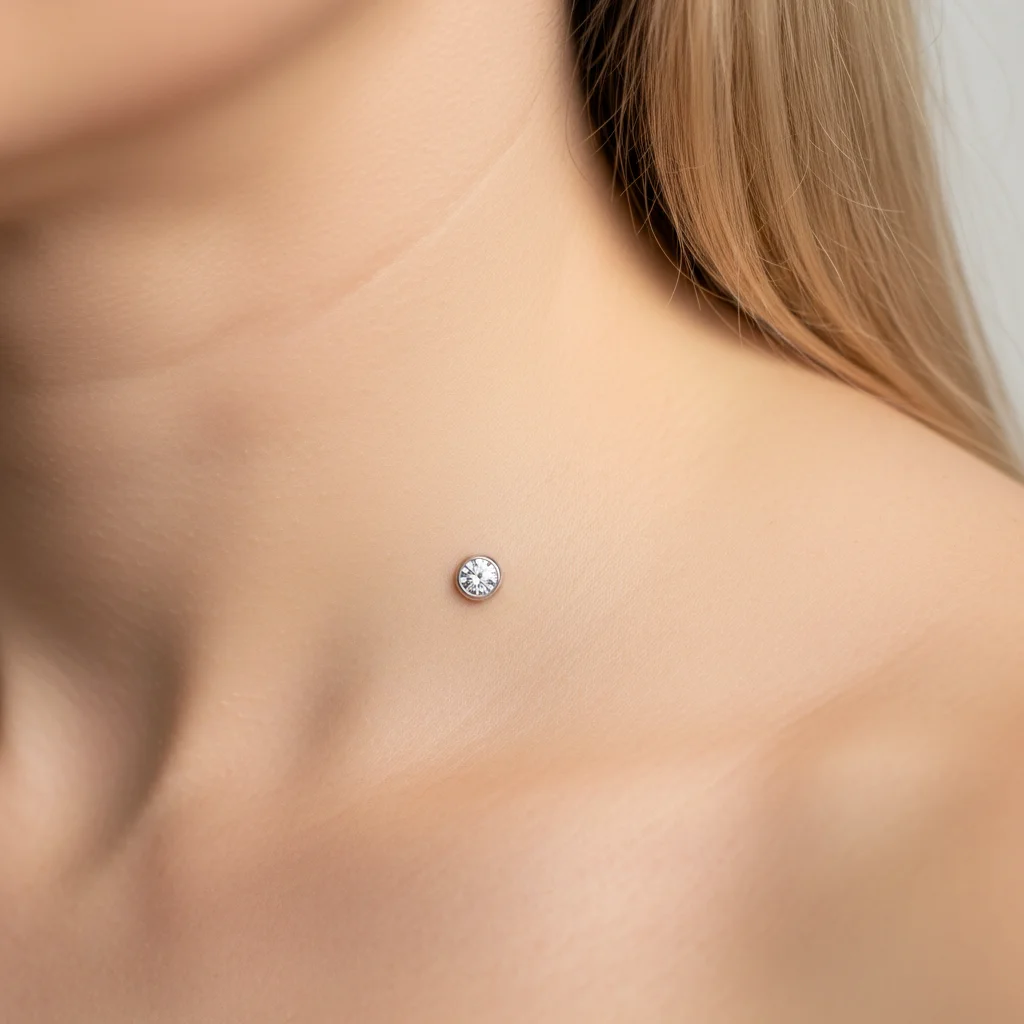
Dermals are a type of body modification where a small anchor is placed beneath the skin’s surface. A piece of jewelry, often a gemstone or metal design, is then screwed into the visible post of this anchor. Consequently, they create the appearance of a stud floating on your skin without the need for a back piece. They are popular on areas like the cheekbone, chest, nape of the neck, and lower back.
The procedure involves creating a small pocket in the dermis layer of skin. The piercer then inserts the anchor into this pocket. Because the anchor has holes that allow your skin to grow through it (a process called dermal bonding), it becomes securely held in place.
The Dermal Piercing Procedure: What to Expect
Firstly, it is crucial to choose a reputable, professional piercer who uses sterile, single-use equipment and high-quality, implant-grade materials like titanium. The process typically follows these steps:
- Consultation and Marking: Your piercer will discuss placement and aftercare. They will then clean the area and mark the precise spot for the anchor.
- Creating the Pocket: Using a dermal punch, biopsy punch, or a needle, the piercer creates a small opening in the skin.
- Anchor Insertion: The base of the anchor is carefully inserted into the pocket beneath the skin.
- Jewelry Attachment: The chosen top is then screwed onto the threaded post of the anchor.
The sensation is often described as a sharp pinch or pressure, followed by a dull ache. The entire process is usually quick, but proper technique is paramount for success.
Healing Timeline and Aftercare Essentials
The healing process for dermals is more involved than for many traditional piercings. Proper aftercare is non-negotiable to prevent complications like infection or rejection.
Initial Healing (Weeks 1-4): Expect redness, swelling, tenderness, and possible bruising. A small amount of clear or pale fluid (lymph) is normal. You must keep the area immaculate.
Intermediate Healing (Months 1-3): The skin begins to heal around the anchor. The area may still be sensitive to knocks or snags.
Full Stabilization (3-6 Months+): The anchor should be fully integrated. However, the site remains a semi-permanent foreign object and requires ongoing gentle care.
Crucial Aftercare Steps
- Clean Gently: Use a sterile saline solution spray twice daily. Do not use alcohol, hydrogen peroxide, or ointments.
- Avoid Trauma: Be extremely careful with clothing, towels, and seatbelts. Sleeping on the piercing can cause pressure and migration.
- Keep it Dry: Pat dry after cleaning or showering. Avoid submerging it in pools, hot tubs, or lakes until fully healed.
- Monitor Closely: Watch for signs of infection (excessive pus, heat, severe pain) or rejection (the anchor becoming more shallow, visible, or the skin thinning).
Understanding the Risks: Rejection, Migration, and Infection
Dermals carry specific risks because the body may treat the anchor as a foreign object it wants to expel.
- Rejection and Migration: This is the most common issue. The body slowly pushes the anchor out, causing the jewelry to sit more superficially. Signs include redness, flaking skin, and the anchor becoming visible. Rejection rates are higher than with standard piercings.
- Infection: Poor aftercare or unsterile conditions can introduce bacteria. Symptoms include yellow/green pus, increased swelling, and throbbing pain.
- Scarring: Upon removal or after rejection, you may be left with a small, permanent scar or a divot in the skin.
If you notice any signs of rejection or infection, consult your piercer or a healthcare professional immediately. For more information on recognizing infection signs, you can read about common symptoms in our guide on symptoms of strep throat, though the causes are different, the awareness of bodily signs is similar.
Dermal vs. Surface Piercing: What’s the Difference?
It’s easy to confuse these two. A surface piercing uses a specialized barbell that sits under the skin but has both an entry and exit point connected by a straight or curved bar. A dermal, however, has only one point of entry with an anchor underneath. Generally, dermals are considered more stable for certain curved body areas, while surface piercings may be used for straighter lines. The aftercare principles, however, are equally rigorous for both.
Long-Term Care and Removal
With perfect care, a dermal can last for years. However, they are generally considered semi-permanent. Eventually, most will reject or need to be removed due to lifestyle changes.
Removal should only be done by a professional piercer. They will numb the area, make a small incision, and carefully extract the anchor. Attempting removal yourself can cause significant damage, scarring, or leave parts of the anchor embedded. After removal, care for the wound as directed to minimize scarring.
Are Dermals Right for You?
Before committing, consider these factors:
* Lifestyle: Active jobs, contact sports, or habits that involve snagging can jeopardize the piercing.
* Commitment: They require diligent, long-term attention.
* Anatomy: Placement depends on having enough subcutaneous tissue for the anchor. A good piercer will assess this.
If you are exploring other forms of body modification or self-care, you might also be interested in learning about the uses of castor carrier oil for skin and hair health.
Final Thoughts
Dermals offer a stunning and unique way to express yourself. Their success hinges entirely on selecting an expert piercer and adhering to a strict aftercare regimen. Because the risks of rejection and infection are present, you must go into the process with realistic expectations. By understanding the procedure, healing journey, and potential complications outlined here, you can decide if a dermal piercing is the right bold statement for you.