
White Tongue Bumps: Causes & Treatments
White Bumps on Tongue: A Complete Guide to Causes and Relief
Discovering white bumps on your tongue can be an alarming experience. However, it’s important to understand that these bumps are a common oral condition with a wide range of possible causes, most of which are not serious. This guide will help you identify potential reasons for these bumps, understand when to seek medical advice, and explore effective treatment options.
What Are Those White Bumps? Common Causes Explained
The appearance of white bumps can vary significantly, and their cause is the key to proper management. Here are the most frequent culprits.
1. Transient Lingual Papillitis (Lie Bumps)
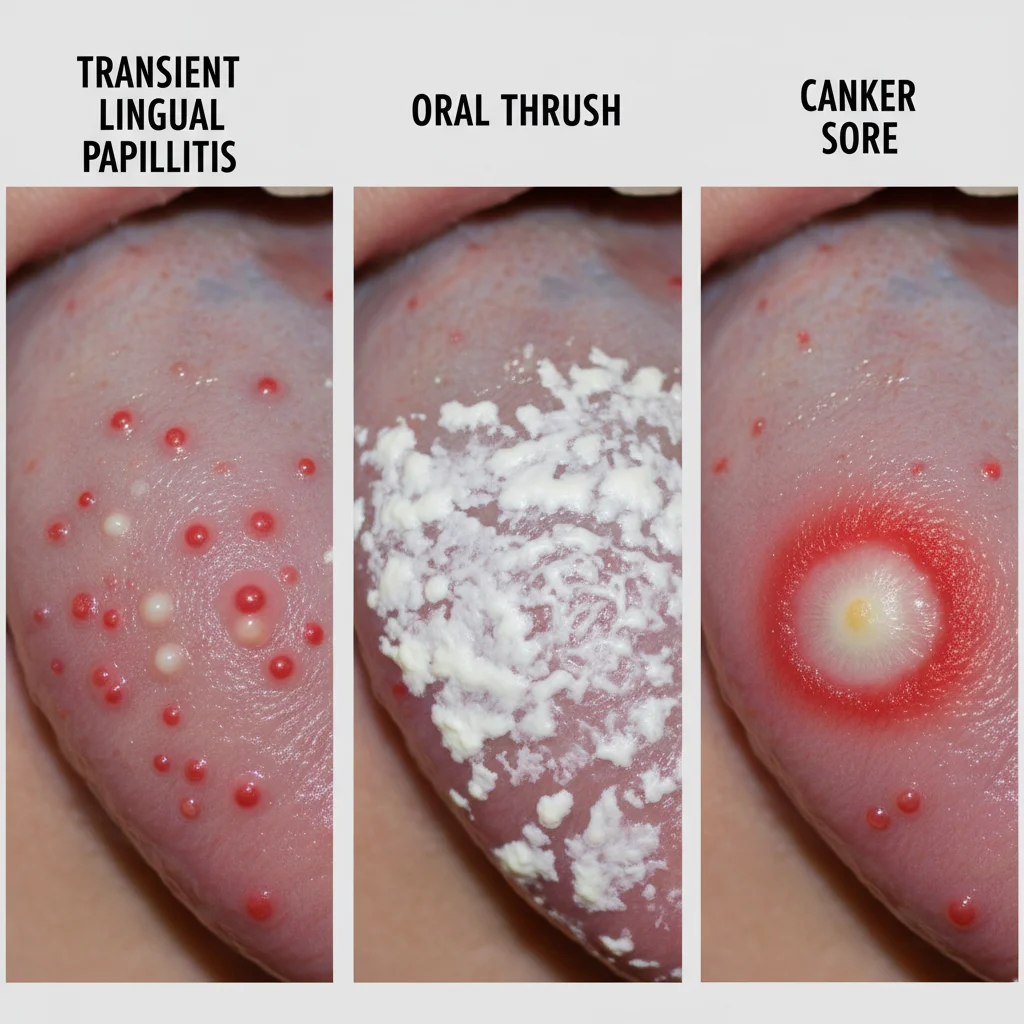
This is arguably the most common cause of small, painful white or red bumps on the tongue. Transient lingual papillitis involves the temporary inflammation of the fungiform papillae—the small, mushroom-shaped structures that house your taste buds. The exact cause isn’t always clear, but it’s often linked to local irritation from spicy or acidic foods, stress, or minor trauma.
2. Oral Thrush (Candidiasis)
Oral thrush is a yeast infection caused by an overgrowth of the Candida fungus. It typically presents as creamy white lesions that can be scraped off, sometimes leaving a red, raw base. This condition is more common in infants, the elderly, those with weakened immune systems, or individuals using inhaled corticosteroids. Maintaining a balanced diet is crucial for immune health; for instance, understanding the nutritional value of graham crackers can be part of managing overall sugar intake, which may influence candida growth.
3. Oral Lichen Planus
This is a chronic inflammatory condition that can affect the mucous membranes inside the mouth. It often appears as lacy, white, raised lines or patches (reticular form) but can also present as painful, swollen, red areas with white borders. The cause is thought to be an autoimmune response.
4. Leukoplakia
Leukoplakia causes thick, white patches that cannot be scraped off. These patches often develop in response to chronic irritation, such as from tobacco use, rough teeth, or ill-fitting dentures. While usually benign, some leukoplakic patches can show early signs of cancer, making professional evaluation essential.
5. Canker Sores (Aphthous Ulcers)
Although often starting as a red bump or spot, canker sores can develop a white or yellow center surrounded by a red halo. They are painful, shallow ulcers that form on the soft tissues inside the mouth, including the tongue.
6. Squamous Papilloma (HPV-Related)
Caused by the human papillomavirus (HPV), these are benign, cauliflower-like growths that can appear white. They are typically painless and slow-growing.
Identifying Your Symptoms: A Quick-Reference Table
Use this table to compare your symptoms with common conditions. This is for informational purposes only; always consult a healthcare professional for an accurate diagnosis.
| Condition | Appearance | Pain Level | Key Characteristics |
|---|---|---|---|
| Lie Bumps | Small, red or white bumps | Moderate to severe | Sudden onset, often on tip of tongue, lasts a few days. |
| Oral Thrush | Creamy white, cottage cheese-like patches | Mild to moderate (can cause burning) | Patches can be wiped away, may bleed. Common in infants. |
| Oral Lichen Planus | Lacy white lines or painful red sores | None to severe | Persistent, often on inner cheeks and gums as well. |
| Leukoplakia | Thick, white, hardened patches | Usually none | Cannot be scraped off. Linked to tobacco/alcohol use. |
| Canker Sore | White/yellow center with red border | Moderate to severe | Round or oval ulcer. Triggers include stress or minor injury. |
| Squamous Papilloma | Irregular, finger-like white projection | Usually none | Solitary, slow-growing bump. |
When to See a Doctor or Dentist
Most white bumps resolve on their own within a week or two. However, you should seek professional medical advice if you experience any of the following:
* Persistent Bumps: Bumps that last longer than two weeks without improvement.
* Severe Pain or Discomfort: Pain that interferes with eating, drinking, or speaking.
* Rapid Growth or Change: A bump that grows quickly or changes in appearance.
* Difficulty Swallowing or Breathing: This requires immediate medical attention.
* Presence of Other Symptoms: Such as high fever, unexplained weight loss, or a rash elsewhere on the body.
* Recurring Issues: Frequent outbreaks of sores or bumps.
It’s also wise to rule out other infections; for example, some oral issues can be confused with symptoms of strep throat, which requires different treatment.
Effective Treatment and Home Care Strategies
Treatment is entirely dependent on the underlying diagnosis. Consequently, a proper medical evaluation is the first and most critical step.
Medical Treatments May Include:
* Antifungal Medications: Prescribed for oral thrush, often as a topical rinse or lozenge.
* Topical Corticosteroids: Gels or rinses to reduce inflammation from conditions like lichen planus or severe canker sores.
* Antiviral Medications: Used for HPV-related growths or severe viral infections.
* Removal Procedures: Biopsy, laser surgery, or cryotherapy may be used for persistent leukoplakia or papillomas to rule out cancer or remove the lesion.
Supportive Home Care and Prevention:
* Maintain Excellent Oral Hygiene: Brush your teeth twice daily and floss regularly. Use a soft-bristled toothbrush to avoid irritation.
* Rinse with Salt Water: A warm saltwater rinse (1/2 teaspoon salt in a cup of water) can soothe irritation and promote healing for minor bumps and canker sores.
* Avoid Irritants: Steer clear of spicy, acidic, salty, or overly hot foods that can aggravate the bumps. Moreover, avoid tobacco products and limit alcohol consumption.
* Stay Hydrated: Drink plenty of water to help maintain a clean oral environment.
* Manage Underlying Health Conditions: Properly managing systemic issues like diabetes can help prevent infections like thrush. Monitoring your blood sugar levels guide can be an integral part of this.
Final Thoughts
In summary, white bumps on the tongue are usually a temporary and harmless issue. By paying attention to their specific characteristics and duration, you can often gauge their severity. However, because some causes require specific medical treatment, do not hesitate to consult a dentist or doctor for any persistent, painful, or concerning changes in your oral health.
Proactive care and professional guidance are your best tools for maintaining a healthy mouth.

