
Understanding Craft and Structure – FAQ & Learning
Craft and Structure: The Blueprint of Meaning in Writing and Creative Arts
When you analyze a piece of writing or admire a handmade project, you are often responding to its craft and structure. These two intertwined concepts form the backbone of all effective communication and creative work. Understanding them is crucial, not only for literary analysis but also for improving your own DIY endeavors, from paper plate crafts for preschoolers to complex FFXIV macro crafting in gaming.
Fundamentally, craft refers to the author’s or maker’s deliberate choices in technique and style. Conversely, structure is the organizational framework that holds the piece together. Let’s delve into how these elements work in harmony to create powerful, coherent, and engaging results.
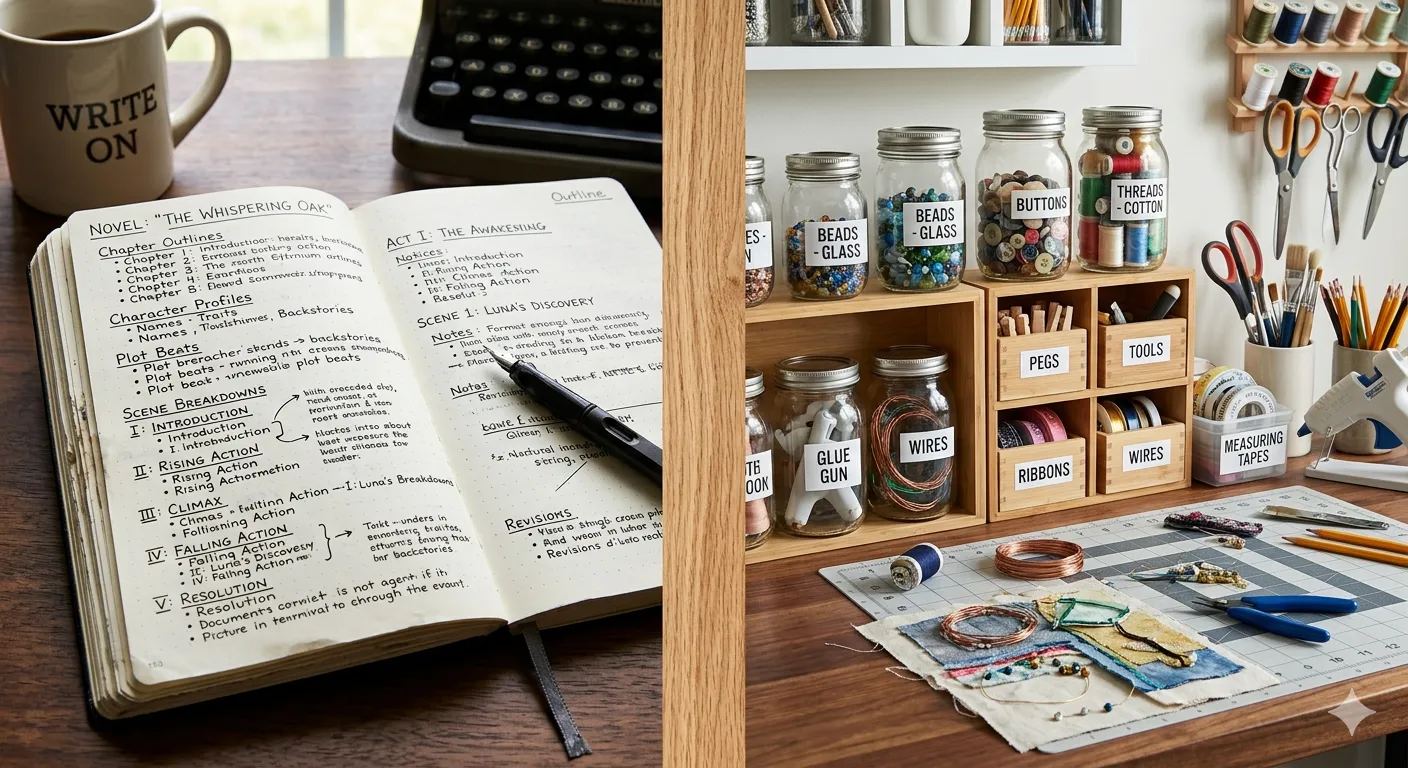
What is Craft in Writing and Making?
Craft encompasses the how—the specific, skillful techniques used to build a piece. In writing, this includes word choice, figurative language, tone, and sentence fluency. In physical crafts, it involves material selection, tool use, and assembly methods.
For instance, a writer might choose vivid sensory language to describe a scene, just as a crafter selects specific small individual LED lights for crafts to achieve a certain ambiance. The precision in both fields is what elevates a simple idea into a compelling experience. Moreover, understanding craft allows you to appreciate the skill behind diverse projects, whether it’s the intricate process behind dermals or the careful planning of Lent crafts.
Key Elements of Craft
- Word Choice (Diction): Selecting the perfect word for impact and clarity.
- Imagery and Figurative Language: Using metaphors, similes, and descriptive language to paint a picture.
- Tone and Voice: Establishing the writer’s or maker’s attitude and personality.
- Syntax: The arrangement of words and sentences to create specific effects.
- Technical Skill: In hands-on projects, this is the proficiency with tools and materials.
What is Structure? The Framework of Ideas
If craft is the how, structure is the where and when. It is the architecture of a piece—the sequence of ideas, the pacing, and the logical or narrative framework. A strong structure guides the audience seamlessly from beginning to end.
In an essay, this might be a classic introduction-body-conclusion format. In a story, it could be the plot’s exposition, rising action, climax, and resolution. Similarly, for a health and nutrition blog, a well-structured article comparing Whole30 vs Paleo would present information in a logical, comparative table to aid understanding. Structure provides the necessary scaffolding, ensuring that individual crafted elements serve a greater purpose.
Common Structural Frameworks
- Chronological: Events presented in time order.
- Compare and Contrast: Juxtaposing two or more items, like dates vs figs.
- Problem and Solution: Identifying an issue and proposing remedies.
- Cause and Effect: Demonstrating how one event leads to another.
- Order of Importance: Arranging points from most to least significant.
How to Analyze Craft and Structure
Analyzing these elements involves asking specific questions. This process is not limited to literature; you can apply it to recipes, DIY tutorials, or even product reviews.
Questions for Analysis:
* Craft: What specific techniques is the creator using? Why might they have chosen a particular word, material, or method? How does the craft affect the mood or functionality?
* Structure: How is the information or narrative organized? Where are the key turning points? How does the structure help convey the main message or purpose?
For example, when examining a guide on the tattoo healing process, you would analyze the craft of its clear, medically-informed instructions. Subsequently, you would assess its structure, likely a chronological day-by-day breakdown, to see how it logically supports aftercare.
Applying Craft and Structure to Your Own Work
Understanding these concepts is the first step to mastering them. Whether you’re writing a blog post or starting a messy craft project with kids, intentionality is key.
- Plan Your Structure First: Outline your main points or project steps. A clear blueprint prevents confusion. For a nutritional guide, this might mean structuring a comparison of whey protein versus casein protein by benefits, timing, and suitability.
- Choose Your Techniques Deliberately: Select words, materials, and methods that serve your goal. If your goal is persuasion, use compelling evidence and rhetorical devices. If your goal is to create a calming craft, you might choose materials linked to raindrop therapy or aromatherapy.
- Revise and Refine: Examine your draft or project plan. Does the structure flow logically? Does your craft (word choice, assembly) effectively execute your vision? This iterative process is where good work becomes great.
Craft, Structure, and Interdisciplinary Learning
The principles of craft and structure beautifully bridge disparate fields. The meticulousness required for a vegan keto diet plan mirrors the precision needed in writing a technical manual. Similarly, analyzing the symbolic structure of a poem can enhance your appreciation for the deliberate design in a piece of jewelry or the therapeutic stages of how long a nose piercing takes to heal.
By recognizing the deliberate craft and structure in the world around you—from a classic novel to a guide on the best nuts for a keto diet—you develop a critical eye. This skill empowers you to be a more discerning consumer of information and a more intentional creator in your own right. Consequently, you can build, write, and analyze with greater confidence and clarity.

